
Today, I decided to write about renewable energy because I think there’s a little bit of misunderstanding about this term and I want to shed some light on it. As many are already aware of, renewable energy is a buzz word. This term gets thrown across the room a lot of times, and often paired with the message that this energy source will change the energy landscape and clean up our environmental mess.
This isn’t the case.
Renewable energy is a form of energy that mainly harness the kinetic/ heat/ photonic/ potential energy from nature and convert it into electricity. We then channel the generated electricity into homes, offices and industries.
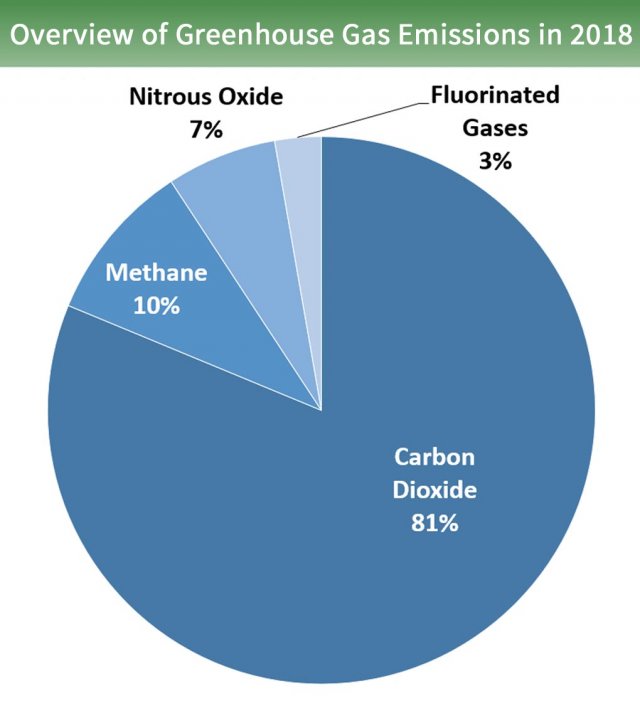
Some of us automatically assume that the process of harvesting renewable energy is a zero-carbon one therefore the output should be much cleaner than those produced by fossil fuel. By zero-carbon process, I mean a process that doesn’t emit any carbon into our atmosphere. We are trying to control the emission of carbon because it is a large part of the total Greenhouse Gases (GHG) emission. Just by referring to the chart below, which I had taken from the EPA’s website, we can see that carbon dioxide forms a “cool” 81% of the GHG emission. To me, that’s a lot.
The measurements were taken from monitoring stations, some have been gathering this data for as long as 50 years (thanks to all the researchers and scientists who devoted their lives to this research!). Between 60 and 100 samples are collected each year and are used to establish baseline greenhouse gas concentrations. Monitoring stations also measure atmospheric gases every few hours as part of its data collection programmes.
Now, as for the emission of carbon dioxide and other GHG. That’s the tricky part. I have issues with the estimates for carbon emission. See, we have estimates that humans emitted more than 35 billion tonnes of carbon dioxide (CO2) by burning fossil fuels in 2019. Then, we also have estimates that showed humans emitted more than 6.5 billion tonnes of carbon dioxide by burning fossil fuels in 2017.
The issue is, first, the jump in carbon dioxide emission from 2017 to 2019 is huge. That’s like a 5.4 times jump. 540% increase in the total amount of carbon emission. Its not helpful to link these two figures together because most probably, these figures don’t come from the same source. There’s a high chance that the fundaments to calculating the figures is different and that could explain the huge difference. So, this brings me to the second point. Which is, I can’t seem to find the research that backed up these statistics.
There’s a huge debate going on, about how carbon emissions are being measured, how each countries are (or maybe are not) measuring their carbon emission, the methods which they use to measure with, etc. And it is still going on. For easy visualisation, I’ve attached a graph above which I’ve taken from “Our World in Data”. I know it isn’t easy to put together this graph. A lot of hard work went into this. Looks good but we have to understand that this is just an estimate to work with.
Well, an estimate is definitely better than nothing right? Even though it may not be accurate but it does give a sense of the trend. Trends are important to understanding the changes around us. With this knowledge, we could adjust and change in order to adapt.
It also makes sense to control the emission simply because we can control the emission of carbon dioxide. Studies have shown that the GHG retains heat which is precisely why the Earth is warm enough for humans to thrive. The thing is, we don’t want too much of the GHG in our atmosphere because it could contribute to rising global temperature. Rising global temperature has been directly linked to the cause of ice melting in the Arctic and also indirectly linked to the rising sea levels.
Increase in GHG emission = Increase in global temperature = Increase in ice melting in Artic region = increase in rising sea levels = Increase in flooding of large swaths of land and low-lying islands = Drastic change in living conditions
Based on these strings of assumptions, the key to preventing a terrible living condition is to reduce the amount of carbon emission. As such, many are banking on the switch from fossil fuels to renewable energy, hoping that the change could reverse this trend and in time to pass on a comfortable future to our next generation.
The thing is, renewable energy may not be clean too.
It may have its fair share of environmental issues as well. That’s why renewable energy doesn’t always equal to clean energy.
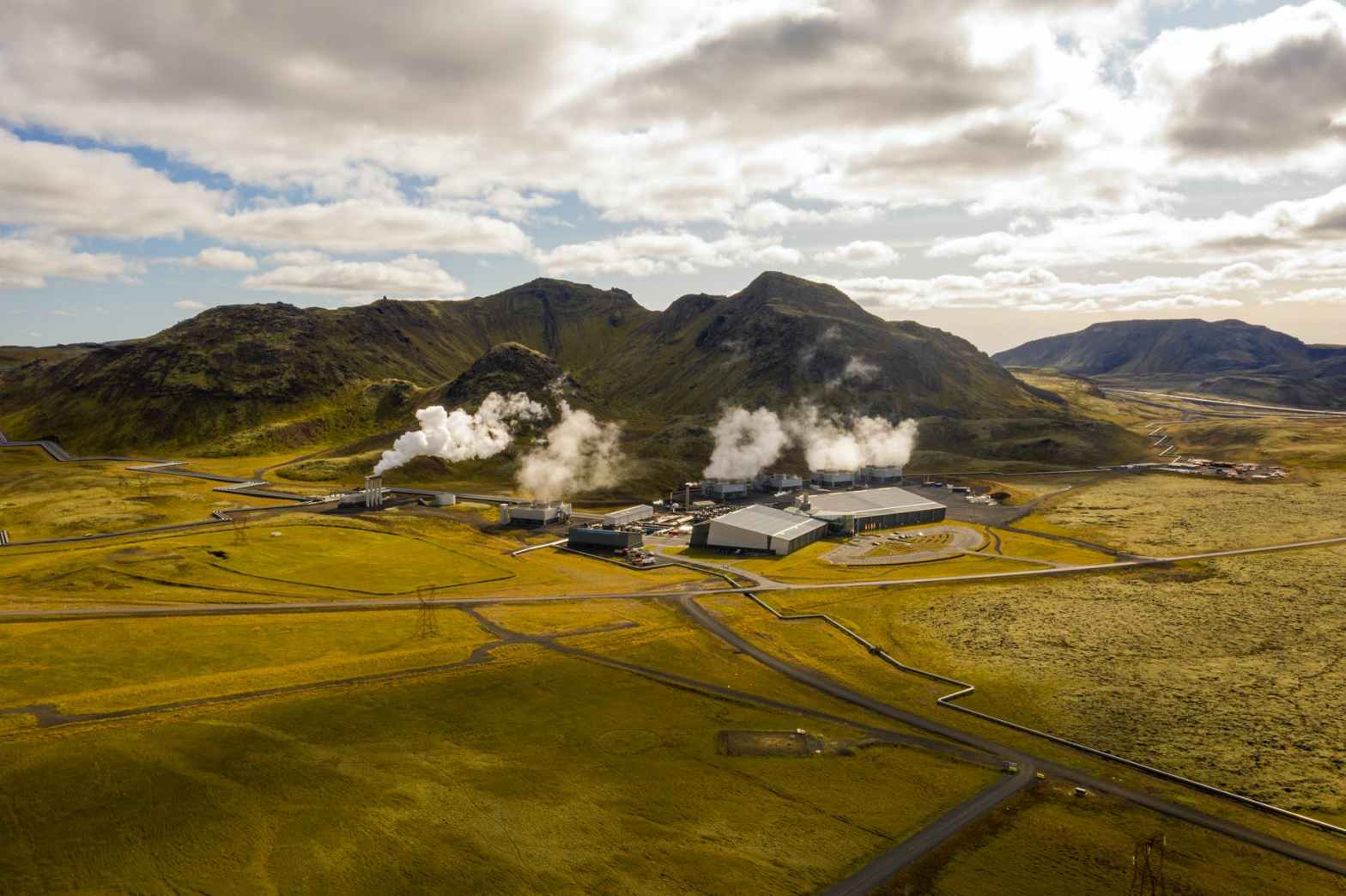
I want to bring up the example of using geothermal energy, which is a form of renewable energy. We have an abundance of geothermal heat underground which could potentially generate energy as long as our inner core allows it. Even though it is technically renewable, the process of harvesting geothermal energy is suspected to be environmentally-unfriendly. Research is still on-going.
Why?
In order to extract geothermal energy, we would have to build huge geothermal plants, often siting it in areas whereby communities have been living nearby for a long time. Somehow, these communities have learnt to harness this form of energy in their own ways. Building these plants often meant relocating the communities, dislodging them from where they believed to be home.
In other cases, it involves drastic changes to the environment, cutting down large swathes of trees, building access roads, siting heavy machineries, increase in human activities, increase in vehicle movements, etc. Research have shown that there is a strong need to engage the community before the undertaking of such project.
A strong ESG mandate is required as part of the engagement process, otherwise the project wouldn’t be successful without the support of the local community (Majer, Baria, Stark, Oates, Bommer, Smith, Asanuma, 2007).

Apart from the different forms of environmental destructions, (this one is scary) studies have shown that the process of harvesting geothermal energy actually increases seismic activities in the region of the geothermal plants.
In one study at The Geysers geothermal reservoir that is located in the northern California, evidence strongly suggests that activities associated with production of electric power cause an increase in the number of small earthquakes. Injection of water into the well in the center of the study area caused an increase in the number of earthquakes per day (Johnson, 2014).
Research on the linkages between the extraction of geothermal energy and earthquakes are still on-going. Also, engineers are still working on improving an enhanced geothermal system (EGS, not ESG) that could mitigate seismic risk. Even while all these are going on, some have chipped in saying that a few earthquakes are nothing if they could reduce global warming. Its an on-goingdebate and studies are inconclusive.
So you see, renewable energy is not an end-all, be-all solution to our environmental problems. Next time someone uses the term renewable energy on you like its the Holy Grail. Please remember about what I have wrote and encourage your associates to rethink about renewable energy, dig deeper and have a healthy discussion about it.
If you cannot remember anything after reading. Just remember that renewable energy may not always be clean energy.
===
References
Majer, E. L., Baria, R., Stark, M., Oates, S., Bommer, J., Smith, B., & Asanuma, H. (2007). Induced seismicity associated with enhanced geothermal systems. Geothermics, 36(3), 185-222.
Johnson, L. R. (2014). Source mechanisms of induced earthquakes at The Geysers geothermal reservoir. Pure and Applied Geophysics, 171(8), 1641-1668.

The only productivity tool you’ll ever need!
Don’t you wish you could IMPROVE PRODUCTIVITY and INCREASE COLLABORATION among your staff while doing away with all the hassle? After trying out so many productivity and office tools, I discovered that Google Workspace is the BEST TOOL for both remote and on-site working!

Apart from using the Google Workspace, I want to provide you with even more EXCITING VALUE for your company’s GROWTH and EXPANSION. Today, I am giving out two promotional codes that you could apply and start SAVING MORE MONEY!
| Plans | Promotional Codes |
|---|---|
| Google Workspace Business Starter Plan | EAAY74Q979XD49K |
| Google Workspace Business Standard Plan | YATVPVG39EFFFGW |
Click here to start GROWING NOW!
 Terra Link Research