Since 1950, the proportion of individuals above the age of 65 has increased in Japan. According to the National Institute of Population and Social Security Research, the proportion was predicted to climb to 35.3 percent by 2040, when the so-called second baby-boomer generation, or persons born in the early 1970s, reaches the age of 65 or older.
In 2020, the number of older adults working reached a new high of 9.06 million, increasing for the 17th year in a row. They accounted for a record high of 13.6 percent of all working-age adults aged 15 and over, as well as 25.1 percent of all senior persons.
The wholesale and retail industries employed the greatest number of older people, accounting for 1.28 million, followed by 1.06 million.
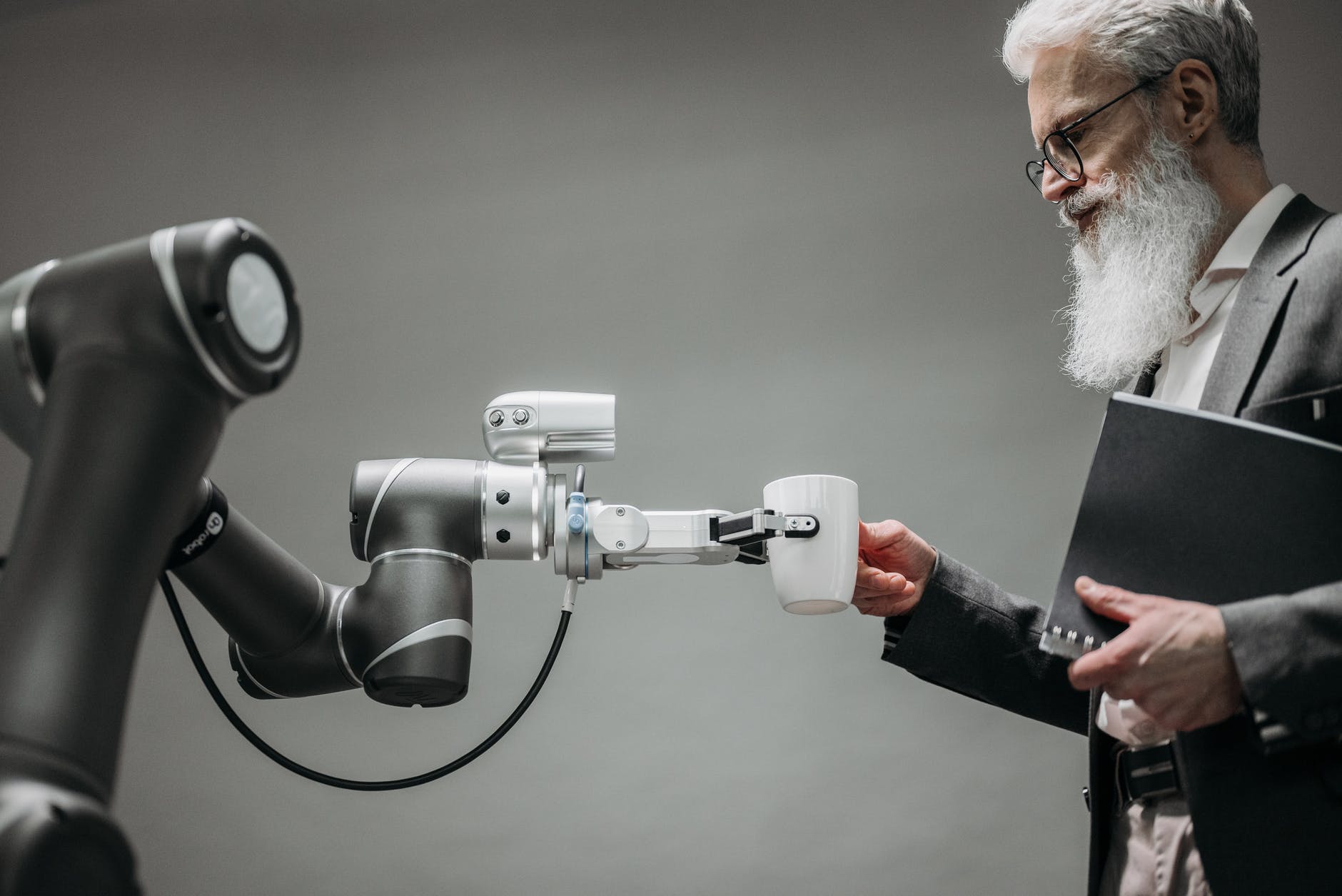
The Japanese intended to soften this problem by augmenting their current workforce with delivery robots, which is in line with the top policy maker’s plan to turn Japanese cities into smart cities.
The central government is going to organise an internal discussion panel for their private sector and local governments, to discuss about the implementation of robotic delivery services for eCommerce and its future developments.
Against the backdrop of Covid-19 pandemic plus the country’s vision for smart city, the working group expected that robotic delivery services will play a very important role in the following areas:
Subscribe to get access
Read more of this content when you subscribe today.
 Terra Link Research