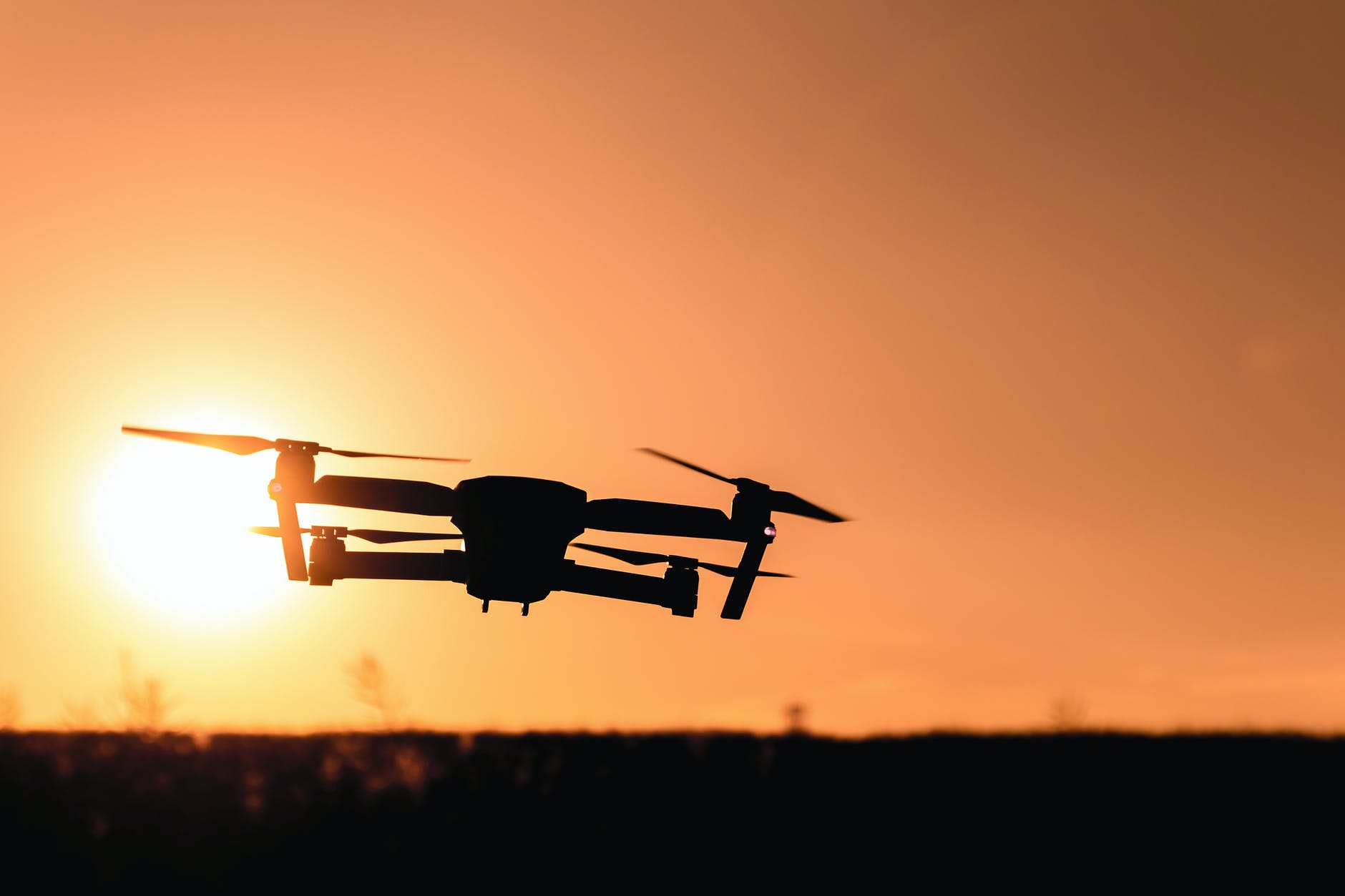
The South Korean government would begin the development of solar-powered drones that could operate at the stratospheric altitude. The development would take into account commercialisation and adaptability of these drones to other types of operations in the future.

In the upcoming period, the working group would carefully pick four research and development (R&D) organisations to undertake the development of the solar-powered drones. The R&D would focus on (1) core technology research, (2) propulsion technology (3) aviation technology and (4) system design.
The Zephyr stratospheric UAV, created by Airbus in Europe, held the world’s longest flying record. Zephyr flew for 26 days in a row while carrying 5 kilogrammes of equipment, and South Korea intended to beat that record by a large margin.
To beat that, South Korean government wanted their upcoming development to culminate in solar-powered drones that could carry more than 20 kilogrammes of mission equipment and be able to operate at the stratospheric altitude for more than one month.

Countries all around the world are actively developing stratospheric unmanned aerial vehicles (UAVs) for ground observation or re-transmission of communications. Stratospheric UAVs could also act as pseudo-satellites, flying at far higher altitudes than standard aircraft and costing considerably less to launch than a satellite.
The working group had emphasised that the high altitude solar-powered drones would be deployed for monitoring disasters like forest fires, continuously throughout the day.
As committed by the South Korean government last year, a budget of USD 30 million would be set aside for this project and now, a taskforce would be formed to oversee the project, in areas such as technology transfer, commercialisation, evaluation, performance management and task planning.

 Terra Link Research