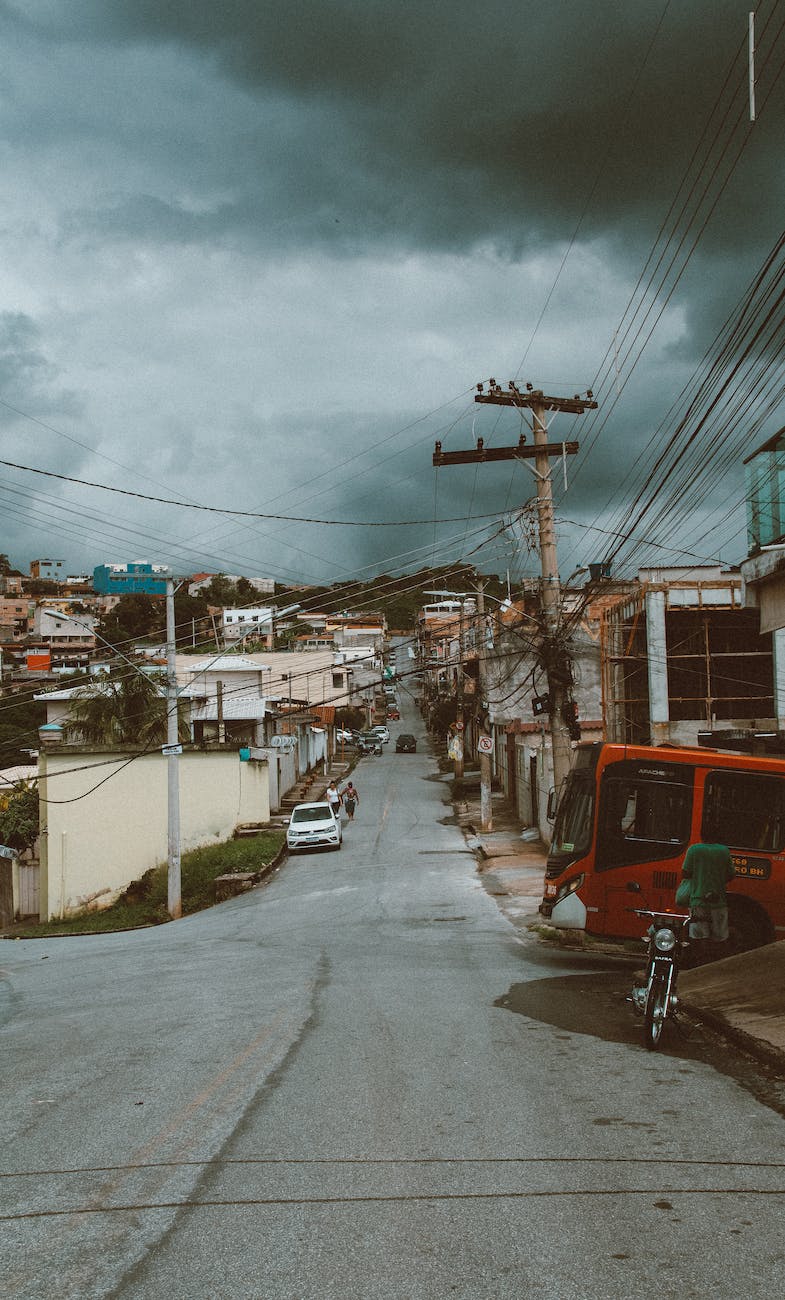
Prolonged power outages caused by weather events have become a significant issue in the United States. Our recent research shows that some parts of the country are hit harder than others, and those already suffering from the effects of climate change and health inequities are most at risk of impact.
The negative consequences of power outages can be dire and pronounced, particularly for vulnerable populations, such as low-income households and those with chronic illnesses. For example, the loss of power can lead to a lack of heating or cooling, which can create health risks. Furthermore, the inability to access electronic medical equipment can be life-threatening for those requiring frequent medical interventions.
Despite the severity of these risks, current practices towards addressing power outages are often short-sighted. With the changing climate, power outages are becoming increasingly frequent, and research shows that United States’ existing infrastructure is not adequately equipped to deal with these demands.
To improve the situation, a comprehensive approach is required, one that considers the health equity implications of power outages. This can involve implementing policies that support the use of renewable energy systems and micro-grids, which can provide reliable power during outages.
Priority should be channeled to measures that support vulnerable populations, prioritizing electricity restoration programs in low-income areas and ensuring that they have access to backup power sources like generators or renewable energy sources like solar energy.
Additionally, it is important to ensure that medical facilities are adequately prepared for prolonged outages, including the ready availability of back-up power supplies.
It’s evident that the existing approach to power outages is insufficient for dealing with the challenges and impacts that loom in the future. To sustainably address this issue, there must be increased focus on a plan that considers the vulnerable populations which are hit the hardest by these outages and align existing/ new strategies with the prevailing climate change realities.
Edited by Zeng Han-Jun
Written by Juliana Rodriguez

 Terra Link Research