Industries such as manufacturing, rely heavily on fossil fuels and these companies have long been considered major contributors to the global increase of greenhouse gases. However, recent developments in biotechnology have shown that tiny microbes could potentially play a significant role in decarbonizing various manufacturing processes.
In fact, a team of scientists has discovered a new way of harnessing bacteria to reduce greenhouse gas emissions from the manufacturing of fuels, drugs, and chemicals. By engineering bacteria to produce new-to-nature carbon products, this groundbreaking discovery may help lead the way to sustainable biochemicals – paving the way for a greener future.
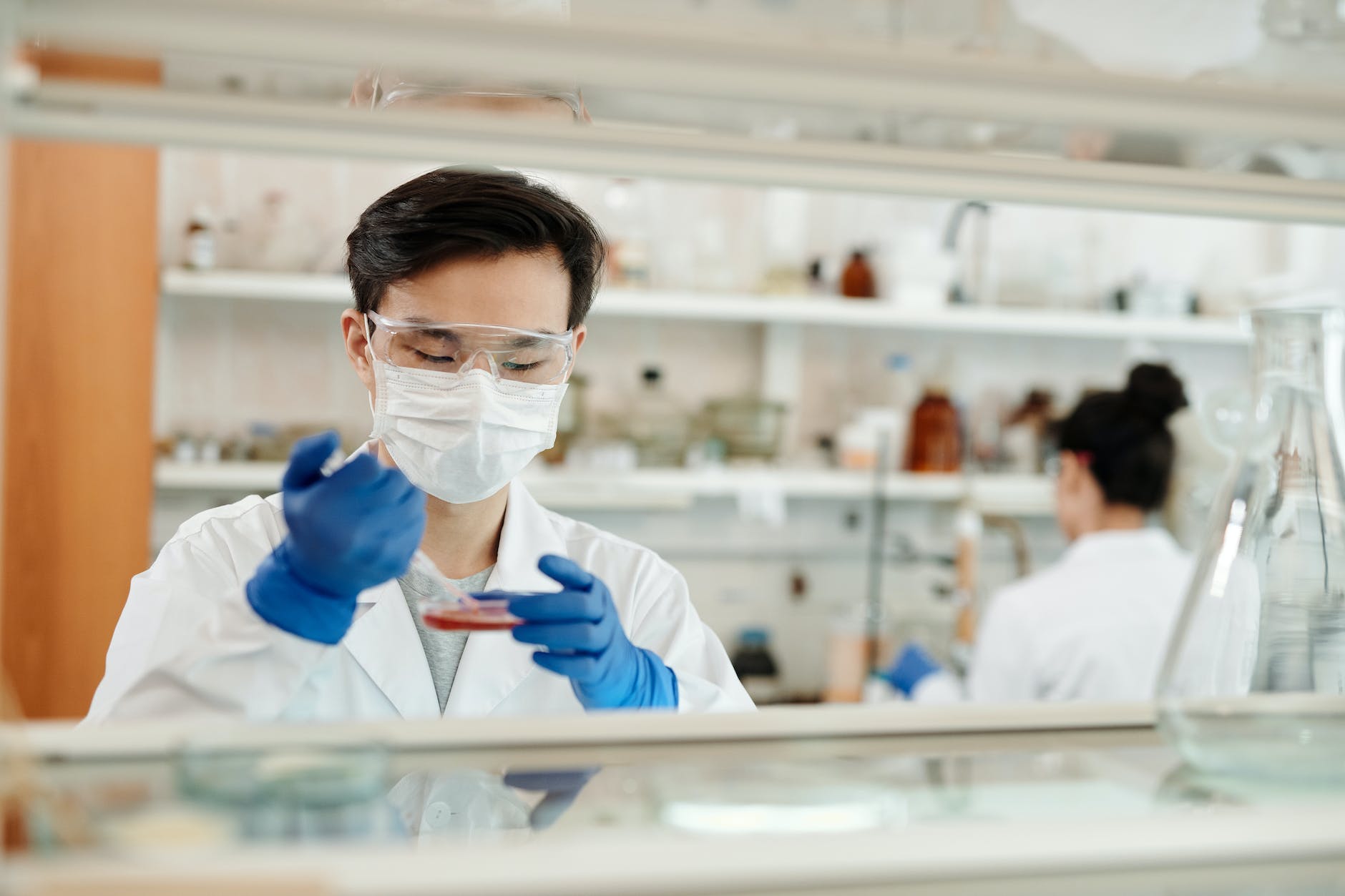
Green biomanufacturing involves the use of biological systems such as microbes to produce various materials and chemicals. Compared to traditional manufacturing practices, this biotechnology could produce materials in a more cost-effective and energy-efficient manner. As a result, it has the potential to significantly reduce carbon emissions and help combat climate change.
Through the development of bacterial strains, this biotechnology may hold the key to more sustainable manufacturing.
Using metabolic engineering to reprogram bacteria to synthesize carbon products, researchers have opened up new possibilities in the field of biochemistry. Whereas traditional manufacturing processes often require high energy inputs and generate significant amounts of waste, the use of microbes could produce materials in a more efficient and eco-friendly way.
As the world continues to grapple with the effects of climate change, green biomanufacturing is one of the promising solutions to reduce and eventually eliminate the carbon footprint of various industrial practices.
The discovery of new bacterial strains and sustainable biochemicals is a breakthrough in the field of biotechnology, affirming the great potential that tiny microbes hold in driving a more sustainable future for us all.
Edited by Zeng Han-Jun
Written by Juliana Rodriguez

 Terra Link Research