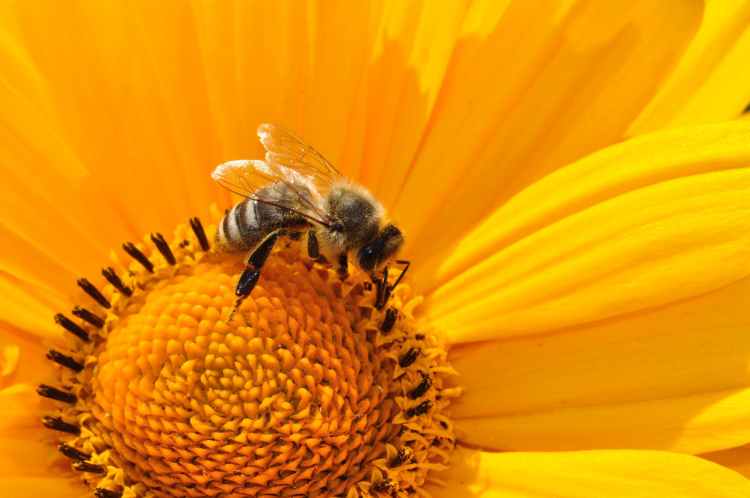
As much as we may despise them, pollen grains could have a substantial impact on the world around us. Millions of people who suffer from seasonal allergies know the crippling effects of pollen, but there are larger implications to consider.
Recent research has shown that plants known for producing allergens, such as ryegrass and ragweed, emit more subpollen particles (SPPs) than previously thought. These SPPs could have a significant impact on climate change by aiding in cloud formation.
While SPPs may appear insignificant compared to larger pollen grains, it is the intact grains that have the greatest impact on our climate. These grains can increase cloud formation, and as clouds have the ability to reflect sunlight, they could have a substantial cooling effect on the planet.
However, there is still much to learn about the relationship between pollen production and climate change. Much of the research currently being conducted is focused on understanding the ways in which pollen grains contribute to cloud formation and how this may impact the earth’s climate over time.
Despite the negative impact that pollen has on those with allergies, it is important to recognize the potential power that these tiny grains hold.
By continuing to study their effects on the environment, we may be able to unlock their potential in the fight against climate change.
Edited by Zeng Han-Jun
Written by Juliana Rodriguez

 Terra Link Research