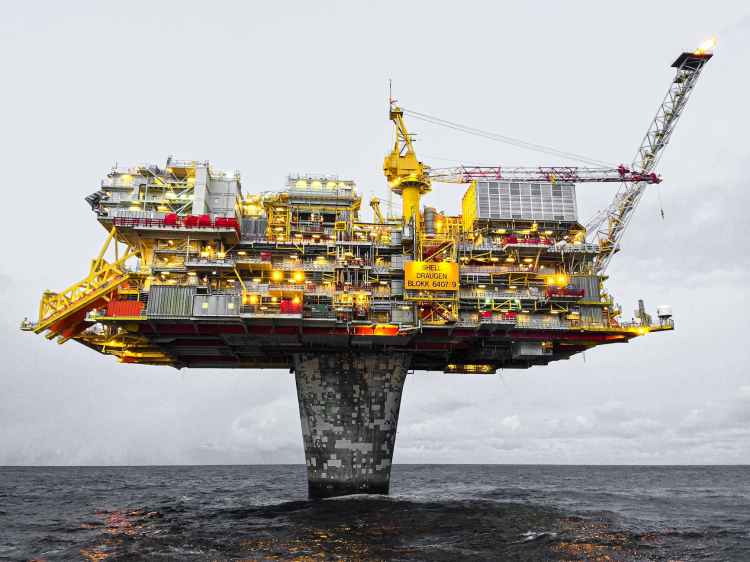
The Gulf of Mexico region has long been the epicenter of offshore oil and gas operations in the United States. Over the years, thousands of wells have been drilled in the region, supporting the country’s energy needs and providing employment opportunities for thousands of people. However, as the years go by, a growing number of these wells have become inactive and are no longer in use.
These wells present a significant environmental and financial risk, and experts estimated that the cost to plug these inactive wells could be as high as $30 billion.
A recent article takes a closer look at the cost to decommission 14,000 inactive wells that have not produced for five years and are unlikely to be reactivated.
These wells continue to pose a threat to the environment, as they can leak oil and other pollutants into the Gulf of Mexico. Leaks from wells closer to shore are more likely to damage coastal ecosystems and release greenhouse gases like methane into the atmosphere, compared to wells in deep waters.
$30 billion is a staggering amount. However, this cost pales in comparison to the potential environmental and economic impact of leaving these wells unplugged.
The process of plugging an inactive well involves inserting cement and other materials into the well to seal off any openings and prevent oil and other pollutants from leaking.
The process is complex and requires careful planning and execution to ensure that it is done correctly. However, the industry is still struggling to find a way to finance the cleanup of inactive wells.
The federal government has tried to address this issue by requiring oil and gas companies to set aside money for well decommissioning. However, this has not been enough to cover the full cost of plugging all inactive wells.
Given the significant environmental and financial risks associated with inactive Gulf of Mexico wells, addressing this issue is a necessary endeavor.
While the cost to plug these wells may seem high, it is far less than what the environmental and economic damage caused by these wells could be. It is up to industry leaders and government officials to work together to find a solution to this pressing issue.
Edited by Zeng Han-Jun
Written by Juliana Rodriguez

 Terra Link Research