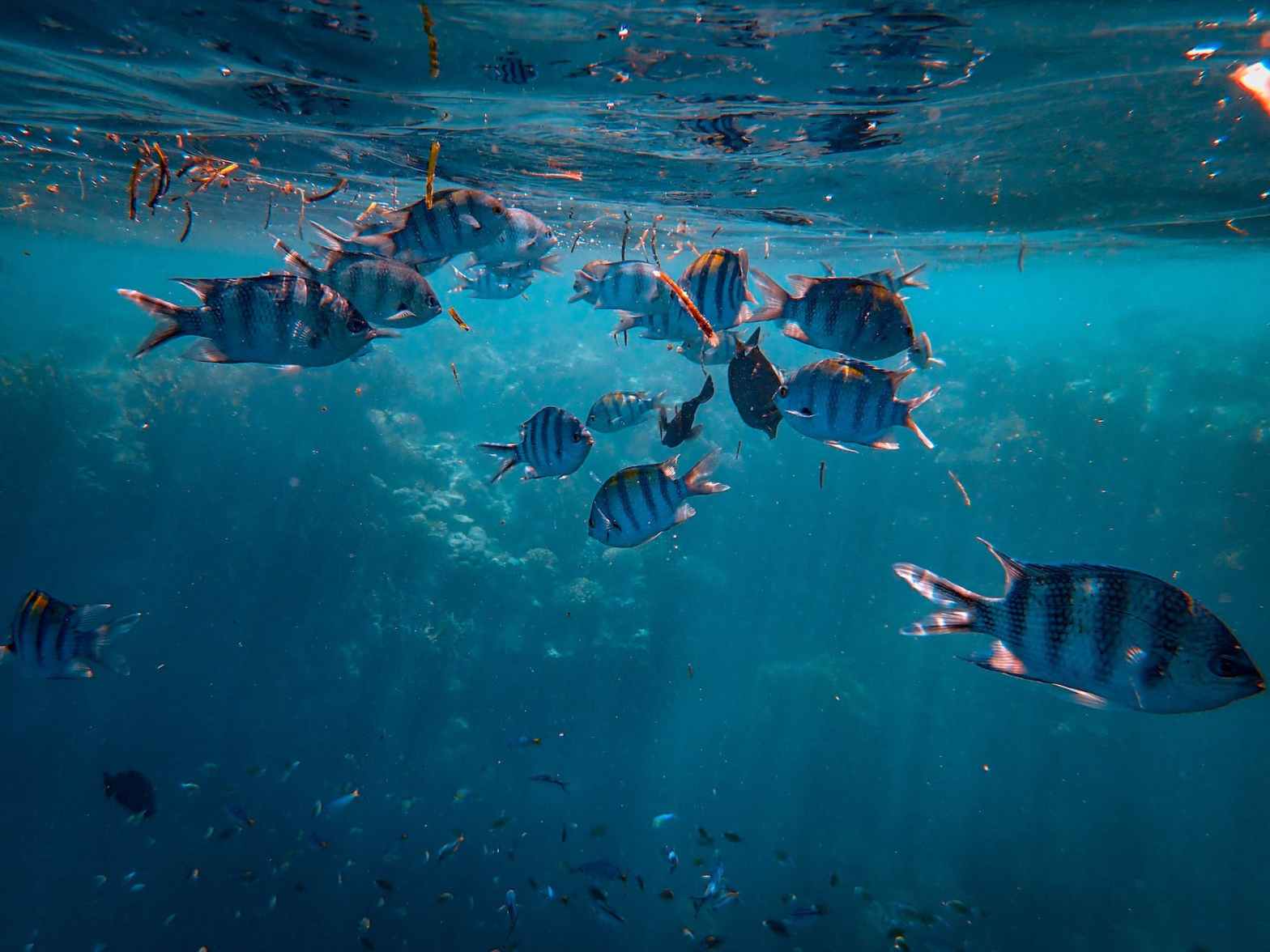
In recent years, there has been a growing concern over the depletion of marine life due to overfishing. While many scientists have worked tirelessly to estimate coastal fish stocks, it is often a complicated and time-consuming process .
However, with the help of newly developed artificial intelligence (AI) algorithms, researchers are now able to estimate fish stocks quickly and accurately without even getting in the water.
This new method is a game-changer in the field of marine biology. The algorithm uses advanced statistical modeling techniques to process large amounts of data from satellite images and underwater equipment, which would take humans weeks, if not months, to complete.
By doing so, it provides quick and accurate estimates of the number of fish present in any given location.
The AI algorithm was developed by a team of marine biologists and computer scientists who worked in tandem to design an efficient and effective model.
The algorithm is trained using machine learning techniques, which helps it to learn from its mistakes and improve its accuracy over time.
This new development has important implications for not only the scientific community but also for fishermen and governments around the world.
Knowing the fish populations in a particular area means that sustainable fishing practices can be implemented, and crucially, fish stocks can be conserved for future generations.
The development of AI has revolutionized the estimation of fish stocks by providing a quick and accurate method that can aid in sustainable fishing practices. With the help of this new technology, we may be able to ensure the preservation of aquatic life for years to come.
Edited by Zeng Han-Jun
Written by Juliana Rodriguez
 Terra Link Research