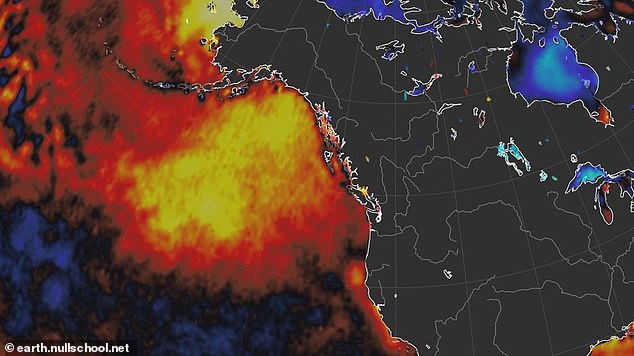
In early 2014, a great anomaly descended upon the seas: A patch of warm water that manifested in the Gulf of Alaska. Scientists called it ‘The Blob.’
What followed was a domino effect that drastically affected marine life, particularly the fisheries industry. As a professional ghost writer, it is my responsibility to inform our readers that the lessons learned from this event can help us manage fisheries during future marine heatwaves.
To start, this experience emphasized the importance of monitoring and early warning systems. By detecting changes in sea temperature and ecosystem patterns, we can predict potential shifts in fish populations and plan accordingly.
Moreover, practices that promote resilient fish populations, such as reducing harvest rates and minimizing bycatch, can mitigate the effects of sudden changes caused by heatwaves.
Finally, fostering collaborations among stakeholders, including government agencies, fishers, and researchers, can aid in the timely and effective implementation of adaptation measures.
As the climate continues to warm, marine heatwaves will become more common, and we must act now to ensure the sustainability of our fisheries.
With the lessons learned from ‘The Blob,’ we can effectively manage fisheries during future marine heatwaves and protect our ocean’s delicate ecosystem.
Edited by Zeng Han-Jun
Written by Juliana Rodriguez
 Terra Link Research