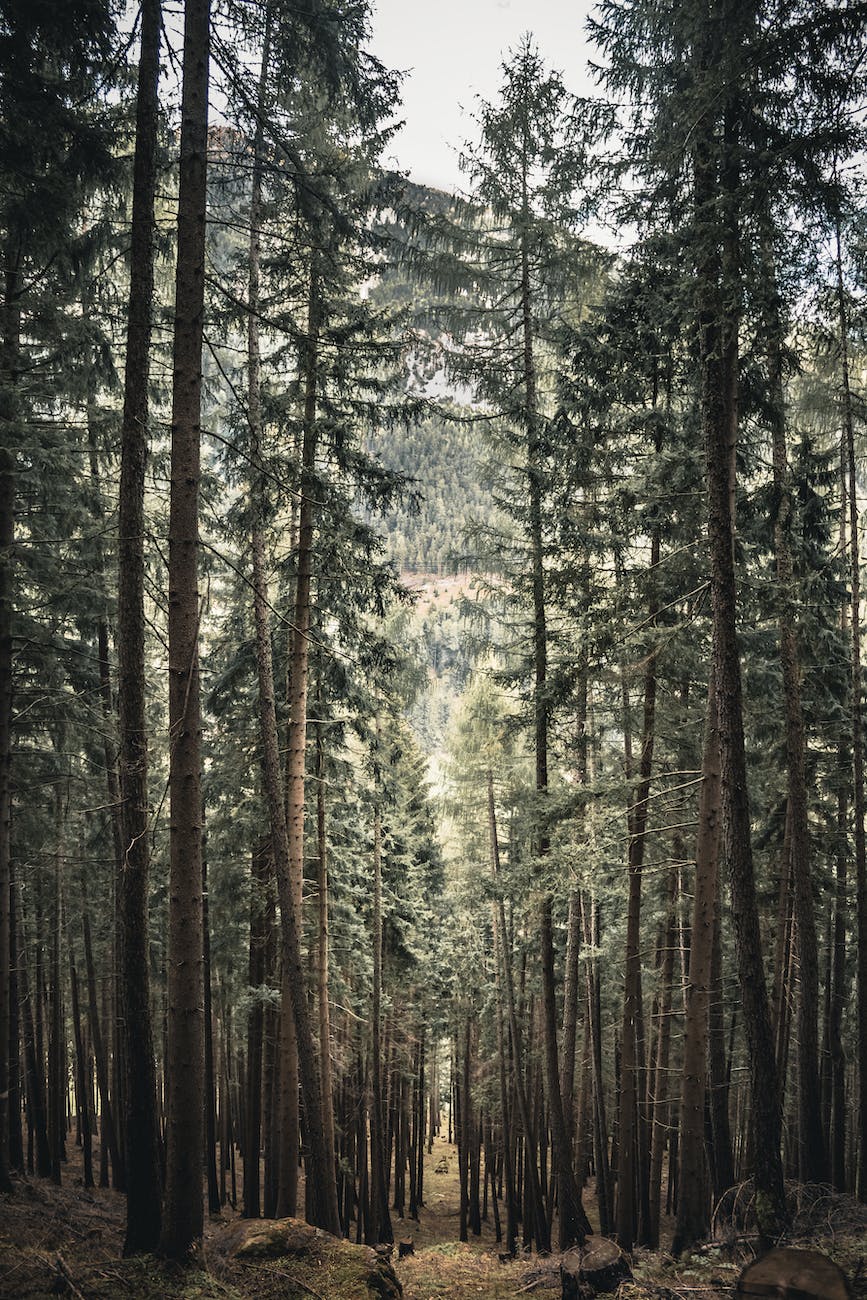
Droughts are often viewed as a natural disaster, causing devastation to crops and wildlife. However, when it comes to trees, the impact of a drought can be more complex than we realize. In fact, some trees actually thrive during drought conditions.
A recent study found that drought can increase growth in certain trees, such as pine and juniper. This is because these trees have adapted to surviving in harsh environments and have developed mechanisms to cope with limited water resources. In times of drought, they are able to allocate resources more effectively to support growth and reproduction.
However, the benefits of drought are not universal. Trees that are already stressed or weakened due to factors such as disease, age, or competition may not be able to cope with a drought. In these cases, drought can lead to decreased growth, increased mortality, and even contribute to forest fires.
So how can we make sense of these conflicting outcomes? The key lies in understanding the underlying factors that influence how trees respond to drought.
Soil type, temperature, and elevation can all play a role in determining which trees will benefit from drought and which will suffer. For example, in areas with porous soils and rocky terrain, trees with deep root systems are better able to access moisture and are more likely to fare well during a drought.
Overall, it’s clear that droughts can have both positive and negative impacts on trees, depending on a variety of factors. By studying these interactions, we can gain insights into how our forests are adapting to changing environmental conditions and help protect them for generations to come.
Edited by Zeng Han-Jun
Written by Juliana Rodriguez

 Terra Link Research