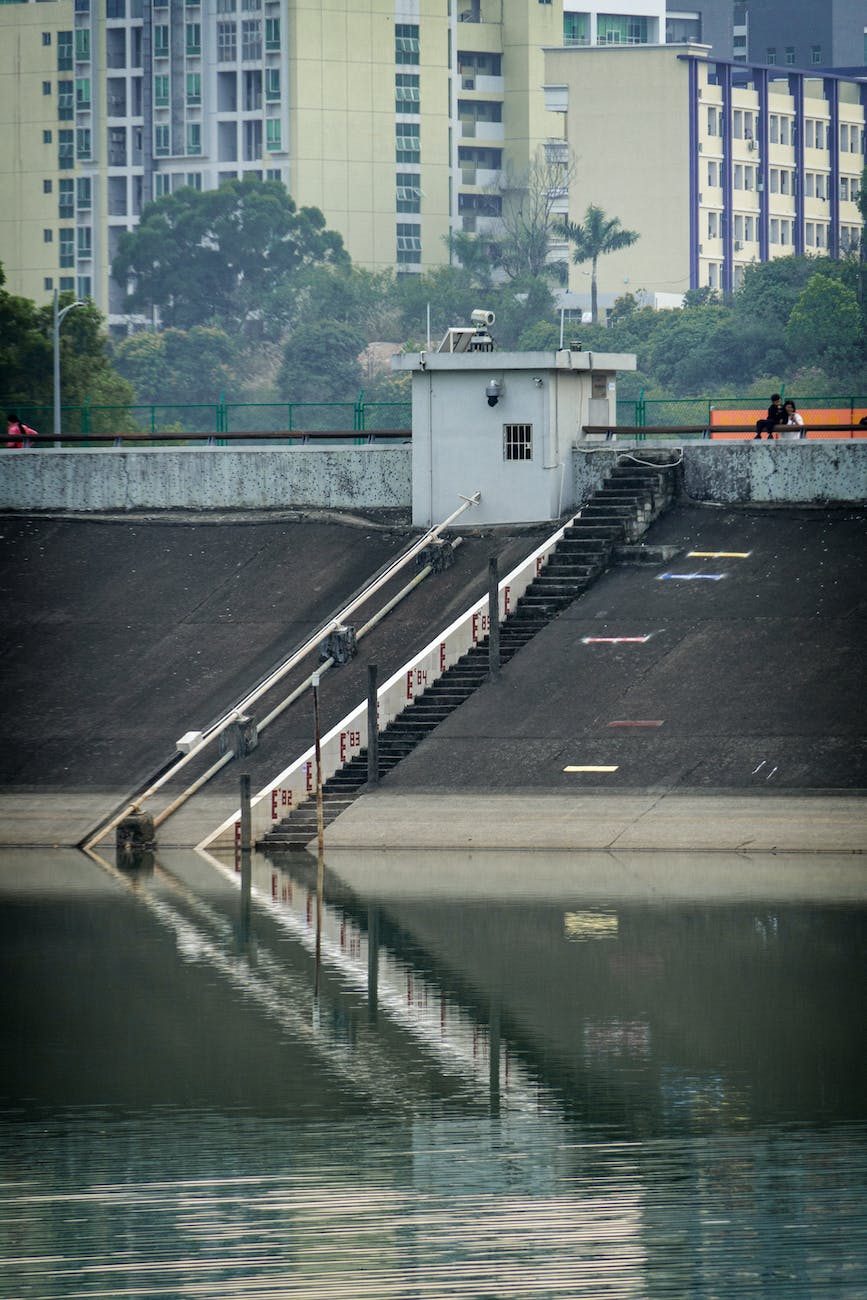
Over the past two decades, global reservoirs have become increasingly empty despite the construction of new reservoirs which provided an increase in total storage capacity.
A new study conducted by researchers has revealed that out of 7,245 global reservoirs, the majority of them demonstrated a gradual decline in their storage levels.
This new study used satellite data to measure the storage variations of the reservoirs from 1999 to 2018 and provided crucial statistics. Such findings could have significant implications, particularly for areas that rely on reservoirs for water supply and irrigation.
The decline in reservoir storage is particularly prominent in the global south, including South Asia, Africa and South America. Despite efforts to construct new reservoirs, the data shows that they fall short of expected filling levels.
The most significant decline is in South America and Africa, where growing populations contribute to an escalated water demand.
In contrast, reservoirs in the global north, including regions in North America and Europe, are experiencing an upward trend in reaching their maximum capacity.
Reservoirs in high-latitude regions like the Great Lakes and Siberia exhibit comparatively higher storage capacities, primarily attributed to their lower population densities and lesser impacts from human activities.
With tens of millions of people who rely on reservoirs for drinking water and irrigation, this new study highlights the need for increased attention to water resource management and the development of more efficient water supply systems and infrastructure.
This study sheds light on the fact that global water resources are not unlimited, and the growing population puts more and more pressure on them over time.
Edited by Zeng Han-Jun
Written by Juliana Rodriguez

 Terra Link Research