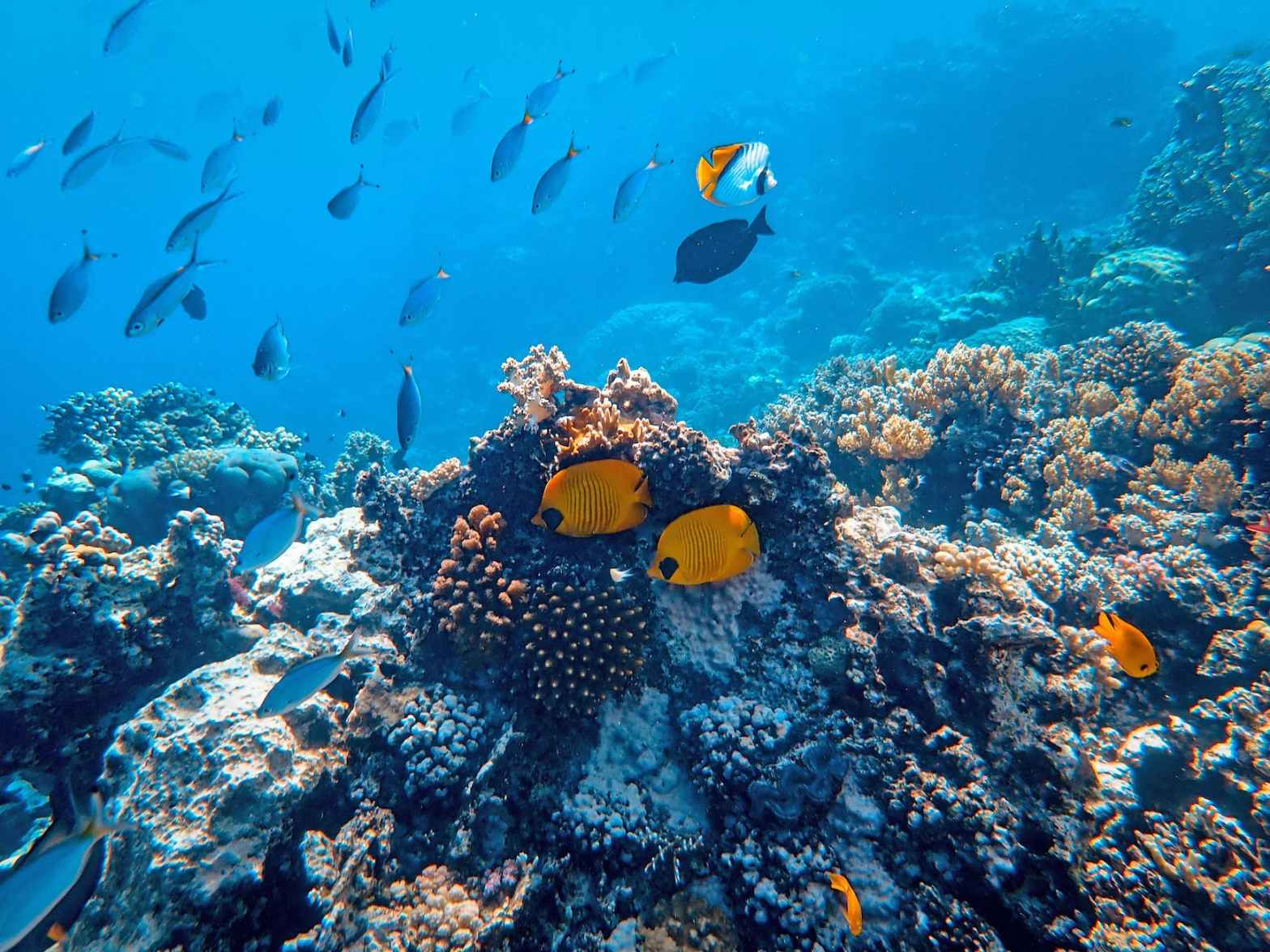
Coral reefs, the vibrant and diverse ecosystems of our oceans, are under threat globally. As environmental stressors like climate change and human activities continue to impair their health, innovative strategies for coral restoration have become paramount.
In the pursuit of preserving these invaluable ecosystems, an international team of researchers has developed a groundbreaking approach for selecting key coral species that will optimize reef health and functionality.
Through their hedging approach, restoration practitioners now have a simple yet powerful framework to guide them in choosing target species for their projects, tailored to specific spatial scales and available resources.
The newly devised hedging approach offers restoration practitioners a systematic methodology to identify and prioritize coral species that contribute to the maintenance of critical ecosystem functions. It takes into consideration the spatial scale, resources, and ecological conditions of the restoration site, ensuring maximum efficiency and success.
At the heart of this approach lies a thorough evaluation of coral species based on their functional traits, adaptability to changing environmental conditions, and capacity to perform essential ecosystem services.
By identifying and selecting key coral species that possess these attributes, restoration efforts can address crucial aspects such as habitat complexity, biodiversity, and nutrient cycling, fostering the long-term resilience of coral reefs.
Recognizing the unique characteristics of each restoration site is key to the hedging approach. Different spatial scales demand varying strategies for selecting and prioritizing target species.
For larger-scale restoration projects, focusing on keystone species that have a disproportionately high impact on reef health can create a ripple effect, promoting the recovery of multiple ecological functions.
On the other hand, smaller-scale projects with limited resources may benefit from diversifying the target species selection, thereby enhancing the overall stability and resilience of the restored reef.
By thoughtfully tailoring the selection process to the specific spatial scale, restoration practitioners can optimize outcomes while maximizing efficiency.
The availability of resources often plays a crucial role in determining the feasibility and success of coral restoration projects. The hedging approach acknowledges this challenge and provides a valuable framework for practitioners to navigate resource constraints.
By incorporating the concept of “coral portfolios,” restoration practitioners can diversify their chosen species based on their ecological traits and resource requirements.
This innovative methodology allows for adaptable strategies, allowing project managers to make the most of the available resources while ensuring the desired ecological functions are fulfilled.
The groundbreaking hedging approach developed by the international team of researchers offers an invaluable contribution to the field of coral restoration.
By providing restoration practitioners with a simple yet effective framework for selecting target species based on spatial scale and available resources, this strategy has the potential to revolutionize reef rehabilitation efforts worldwide.
Edited by Zeng Han-Jun
Written by Juliana Rodriguez

 Terra Link Research