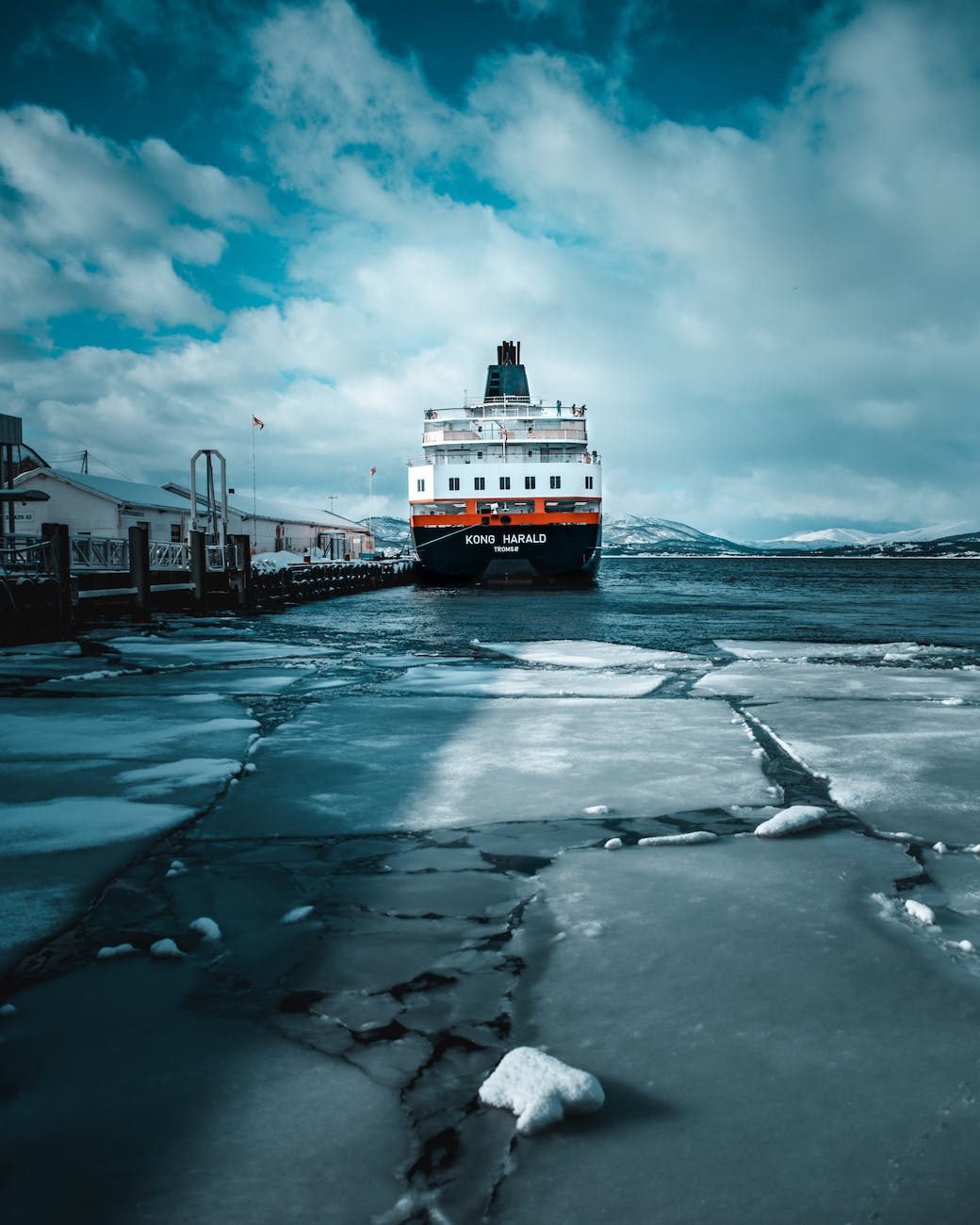
The Arctic region, with its majestic landscapes and fragile ecosystems, is undergoing remarkable changes due to the effects of climate change. As the ice diminishes, opportunities for shipping and resource exploration have increased, leading to an upturn in vessel traffic.
Understanding the timing and locations of ships entering areas of Arctic sea ice is vital for comprehending the potential impacts on the region.
The Arctic sea ice is a dynamic entity, constantly undergoing fluctuations throughout the year. Detailed monitoring of its freeze-up and breakup patterns, as well as its overall extent and thickness, provides crucial insights into the changing Arctic environment. Knowledge of these dynamics allows researchers and policymakers to assess the risks imposed by vessel traffic accurately.
Ships traversing through Arctic waters can have both direct and indirect impacts on the fragile sea ice. Direct impacts include physical interactions such as encounters with icebergs, which pose a risk to ship safety.
Additionally, vessel traffic can cause disturbances to the ice cover, potentially leading to fractures and deformation.
Furthermore, the emissions resulting from ship operations contribute to the melting of Arctic sea ice. Increased carbon dioxide and black carbon emissions exacerbate the warming effect and accelerate the ice melt, perpetuating a vicious cycle.
Understanding the frequency, routes, and emissions of ships in the Arctic provides valuable data to assess these cumulative impacts and implement mitigation measures effectively.
Tracking and monitoring vessel traffic in the Arctic has become more feasible, thanks to advancements in satellite technology and data analytics. These modern tools enable us to monitor ship movements accurately, allowing for comprehensive analysis of timing and location.
In recent years, various international organizations, governments, and research institutions have also been working together to establish comprehensive databases of vessel traffic in the Arctic. Such collaborative efforts are crucial for gaining a holistic understanding of ship activity and its relationship with sea ice dynamics.
By combining data from satellite monitoring systems, ship positioning systems, and environmental observations, researchers can paint a detailed picture of vessel traffic patterns in the Arctic.
This wealth of information provides an invaluable resource for stakeholders, policymakers, and researchers striving to make informed decisions concerning Arctic development and conservation.
The increasing presence of ships in the Arctic demands a thorough understanding of the potential impacts on sea ice and the fragile ecosystem it supports.
By comprehensively monitoring vessel traffic and utilizing advanced data analytics, stakeholders can assess the risks, develop effective regulations, and implement mitigation strategies to ensure sustainable navigation in this region.
Edited by Zeng Han-Jun
Written by Juliana Rodriguez

 Terra Link Research