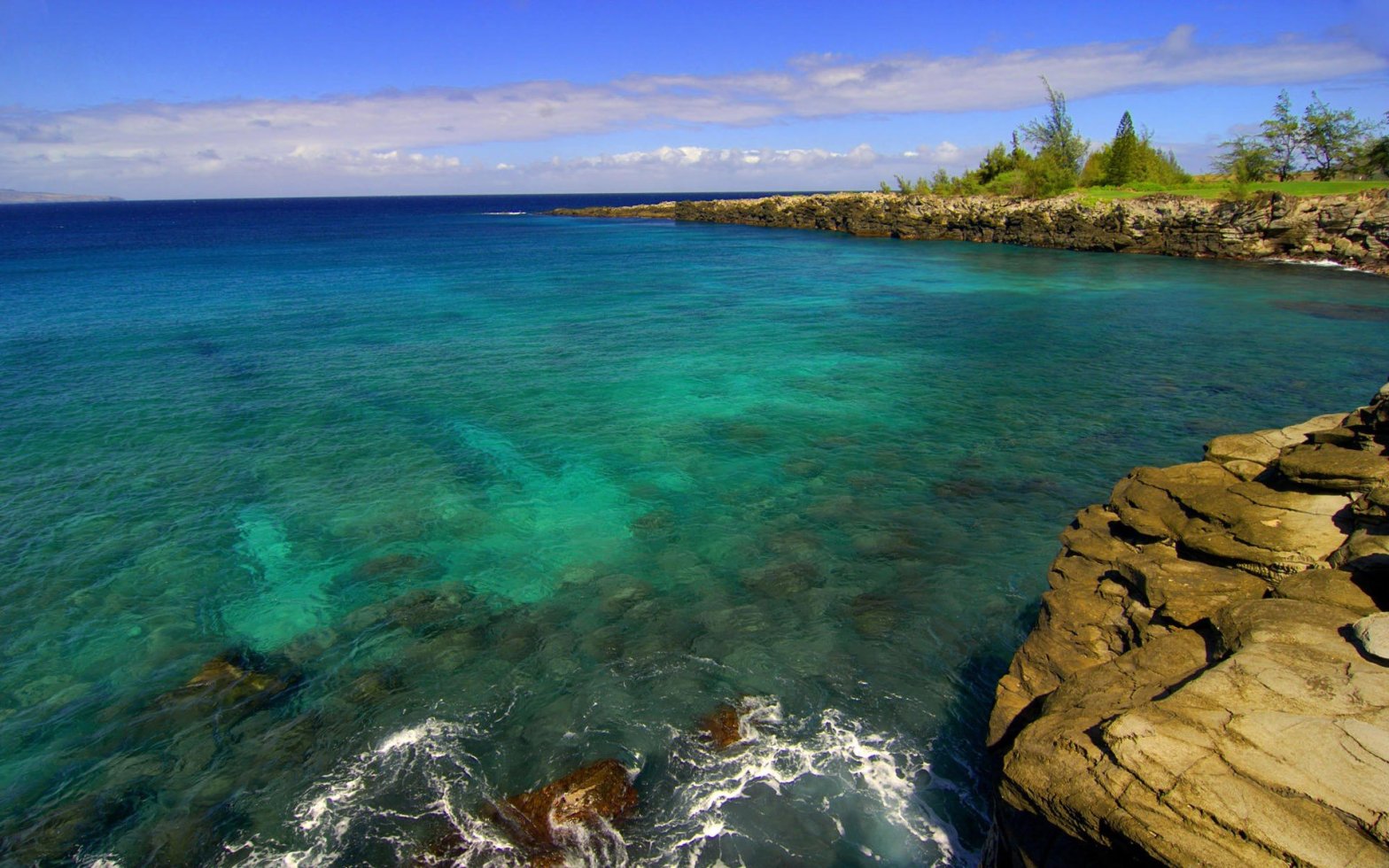
The breathtaking beauty of the ocean has always captivated our senses, with its vast expanse of deep blue hues. However, recent scientific reports have shed light on a concerning trend – the ocean’s color has undergone significant changes over the past two decades.
Shades of blue have long dominated our perception of the ocean’s color. Yet, scientists have noticed a discernible shift in this characteristic hue. By analyzing satellite data and conducting extensive research, they have found a distinct change in the ocean’s tonal composition. From lighter shades of blue to vibrant greens, even patches of yellow and red, the once unyielding blue canvas is transforming into a complex chromatic symphony.
While the altered color of the ocean may seem like a purely aesthetic concern, it serves as an alarming indicator of a deeper problem – climate change. Scientific evidence suggests that this change in color is primarily linked to rising temperatures, melting glaciers, and altered marine ecosystems. It is these intricate factors that, when combined, have set in motion a chain reaction within our oceans, impacting their color and composition.
One of the key contributors to the ocean’s evolving color palette is the proliferation of phytoplankton blooms. Warmer waters, as a result of climate change, create ideal conditions for these microscopic algae to thrive. While different types of phytoplankton can color the water in various shades, the overall increase in their presence leads to a greener appearance. This phenomenon has been observed in various regions across the globe, from coastal areas to open ocean expanses.
As climate change accelerates, the world’s glaciers are receding at an alarming rate. The melting ice releases sediment-rich water into the oceans, altering their visual characteristics. These sediments contain minerals and organic matter, which can give the water a turbid appearance, sometimes casting a yellowish or reddish tint. This influx of sediment runoff affects not only the ocean’s color but also its overall clarity, impacting marine life that relies on sunlight for survival.
The changing color of the ocean is not just a striking visual transformation; it has far-reaching consequences for marine ecosystems and the delicate balance of our planet. The color shifts can disrupt the natural behavior and biological cycles of various marine organisms, affecting nutrient availability, food chains, and oxygen production. Furthermore, the altered composition of the oceans serves as a stark reminder of the urgent need for climate action to mitigate these transformative impacts.
The ocean’s changing colors stand as a tangible testament to the profound effects of human-induced climate change. The once-steadfast blue palette is giving way to a more complex symphony of hues, mirroring the ecological shifts occurring beneath the surface.
Edited by Zeng Han-Jun
Written by Juliana Rodriguez
 Terra Link Research