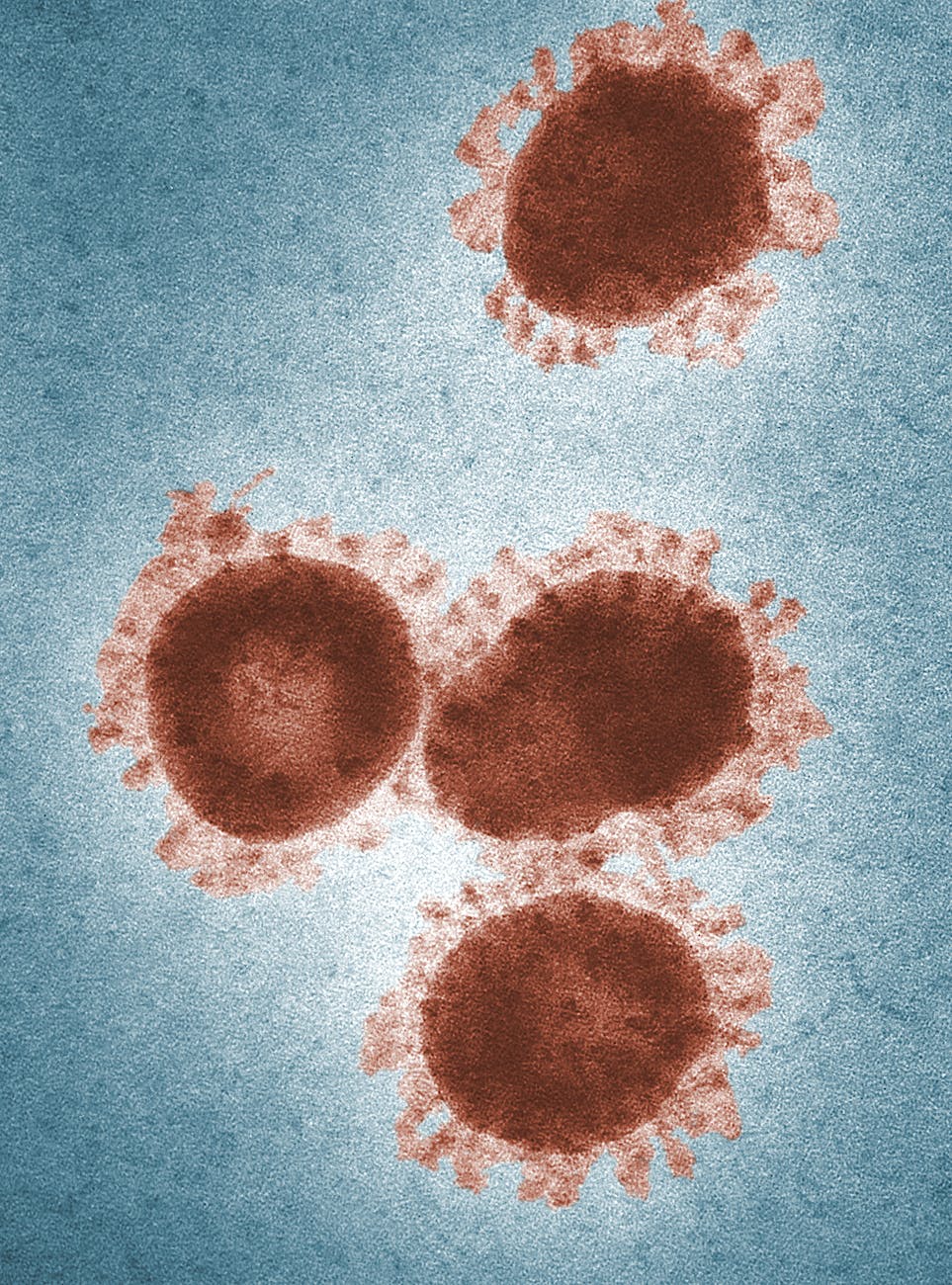
In recent years, the phenomenon of melting permafrost has gained significant attention due to its far-reaching environmental implications. Beyond the visible consequences like rising sea levels and biodiversity loss, a new study has shed light on a lesser-known but potentially alarming aspect: the release of ancient pathogens.
We dive into the findings of this study, exploring the real potential for damage to microbial communities and the potential threats such pathogens might pose to human health.
Permafrost, the permanently frozen ground found in polar and sub-polar regions, acts as a natural cold storage for countless ancient microorganisms, including viruses and bacteria, that have been preserved for centuries.
However, as global temperatures rise, the permafrost is melting at an accelerated rate, unlocking this frozen time capsule and potentially unleashing ancient pathogens into the present-day environment.
The implications of releasing ancient pathogens into modern ecosystems extend beyond their direct impact on human health. As these unfamiliar microorganisms become reactivated, they have the potential to disrupt existing microbial communities, which are essential for maintaining ecological balance.
This disruption, caused by the introduction of novel pathogens, may lead to significant repercussions for both humans and ecosystems alike.
While it is vital to approach these findings with cautious concern rather than panic, researchers have identified several potential threats to human health that these ancient pathogens could pose.
For instance, as these long-dormant microorganisms become active, they may infect humans who lack immunity to ancient pathogens. Additionally, the potential for ancient antibiotic-resistant genes to be revived is a concern that could limit our ability to combat newfound diseases effectively.
Understanding the complexity of the microbial communities residing within permafrost and the risks they harbor is no small feat. Identifying and characterizing ancient pathogens requires comprehensive research, utilizing advanced techniques like metagenomics.
Through targeted investigations, scientists strive to map out potential risks and develop strategies for early detection, prevention, and mitigation.
Addressing the potential threats posed by ancient pathogens escaping from melting permafrost demands interdisciplinary collaboration.
Scientists, policymakers, and public health officials must join forces to promote knowledge-sharing, data exchange, and the development of effective response frameworks. Such collaborative efforts will enable us to stay ahead of the challenges posed by these ancient adversaries.
The study’s findings reveal a sobering reality: the melting permafrost is not only impacting the environment but also potentially unraveling ancient pathogens that pose risks to both human health and ecosystems.
By recognizing and addressing these threats proactively, we can work towards safeguarding public health, protecting vulnerable ecosystems, and ensuring a sustainable future.
Continued research, surveillance, and collaborative efforts will ultimately serve as our strongest defense in navigating this multifaceted challenge.
Edited by Zeng Han-Jun
Written by Juliana Rodriguez
 Terra Link Research