Engineers have unveiled a groundbreaking achievement – the creation of a transformative ‘supercapacitor’.
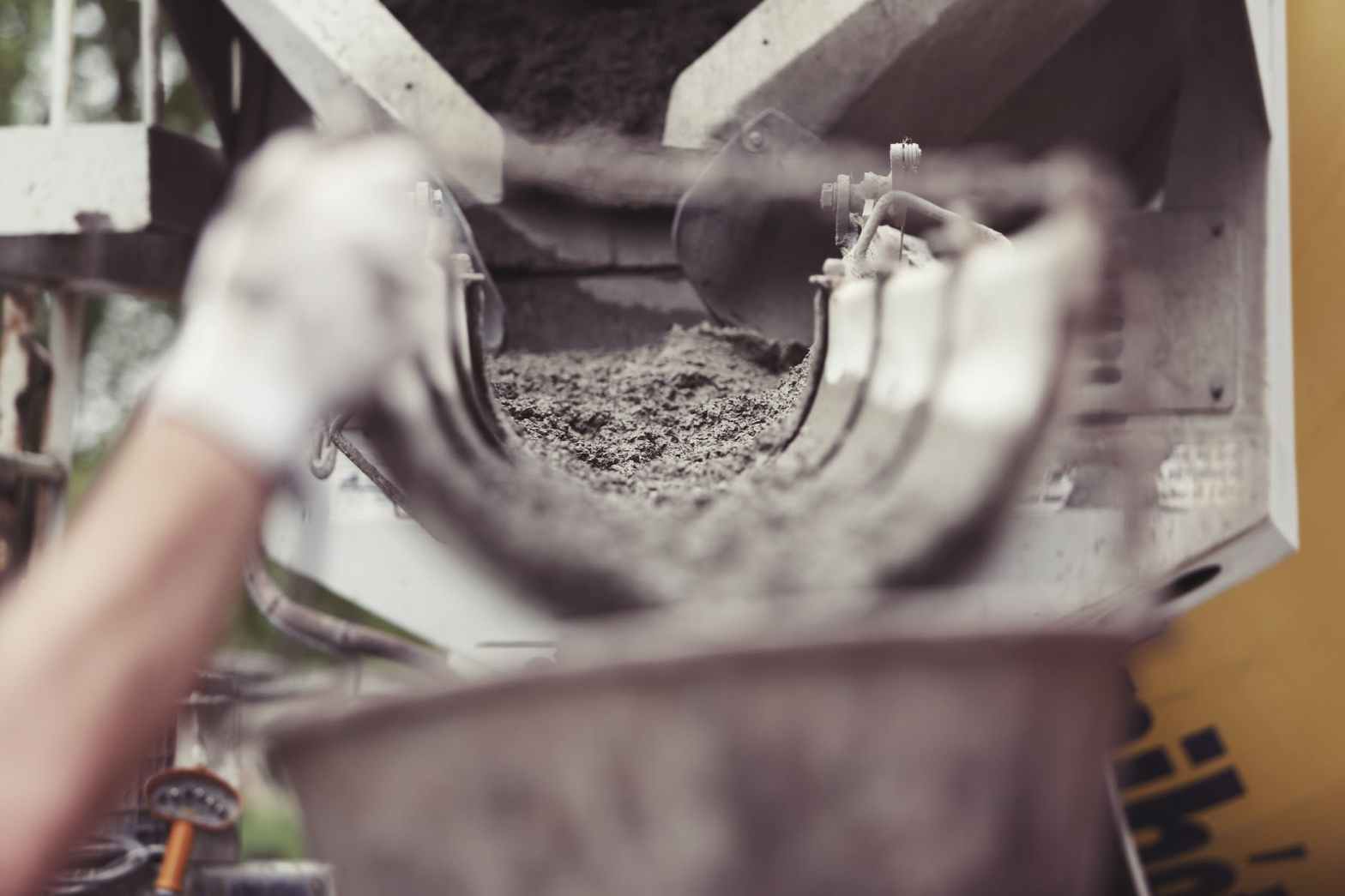
Crafted from age-old, easily accessible materials like cement, water, and carbon black, this innovative device has the potential to revolutionize the storage of intermittent renewable energy sources, such as solar or wind energy.
The potency of the supercapacitor lies within its simplicity. By harkening back to ancient foundations while incorporating cutting-edge engineering, this technology has cracked the code to an affordable, highly efficient energy storage system.
Comprising of just cement, water, and carbon black, this unassuming marriage of materials possesses the power to store substantial amounts of energy when harnessed correctly.
The supercapacitor’s greatest virtue dwells in its potential to reshape the renewable energy landscape. Unlike conventional batteries, these devices empower the accumulation and controlled release of large energy quantities in a cost-effective manner.
Its remarkable efficiency provides a promising solution to the ongoing conundrum of wind and solar energy intermittency, allowing surplus energy to be stored during peak production periods and utilized during lulls or high demand.
Cement, the primary component of this supercapacitor, forms the building blocks of civilization, as evidenced by its role in constructing our cities and infrastructures.
Now its purpose extends into providing sustainable energy solutions. Together with water and carbon black, which bears a striking resemblance to powdered charcoal, these abundant materials from our ancient past hold the key to a clean future.
As the global demand for energy continues to rise, so does the urgency to develop sustainable solutions.
By tapping into ancient resources and creating economically viable storage systems, engineers have paved the way for wider adoption of renewable energy sources.
This breakthrough will not only help reduce our reliance on fossil fuels but also encourage investment and innovation in the renewable energy sector.
While the advent of the supercapacitor marks an astonishing leap forward, additional research is required to enhance its efficiency and scalability.
Engineers and scientists worldwide must collaborate to optimize this technology and ensure its seamless integration into our energy infrastructure. With continued efforts, there is no doubt that we can harness the immense potential of the supercapacitor and propel our sustainable energy ambitions to unprecedented heights.
Edited by Zeng Han-Jun
Written by Juliana Rodriguez
 Terra Link Research