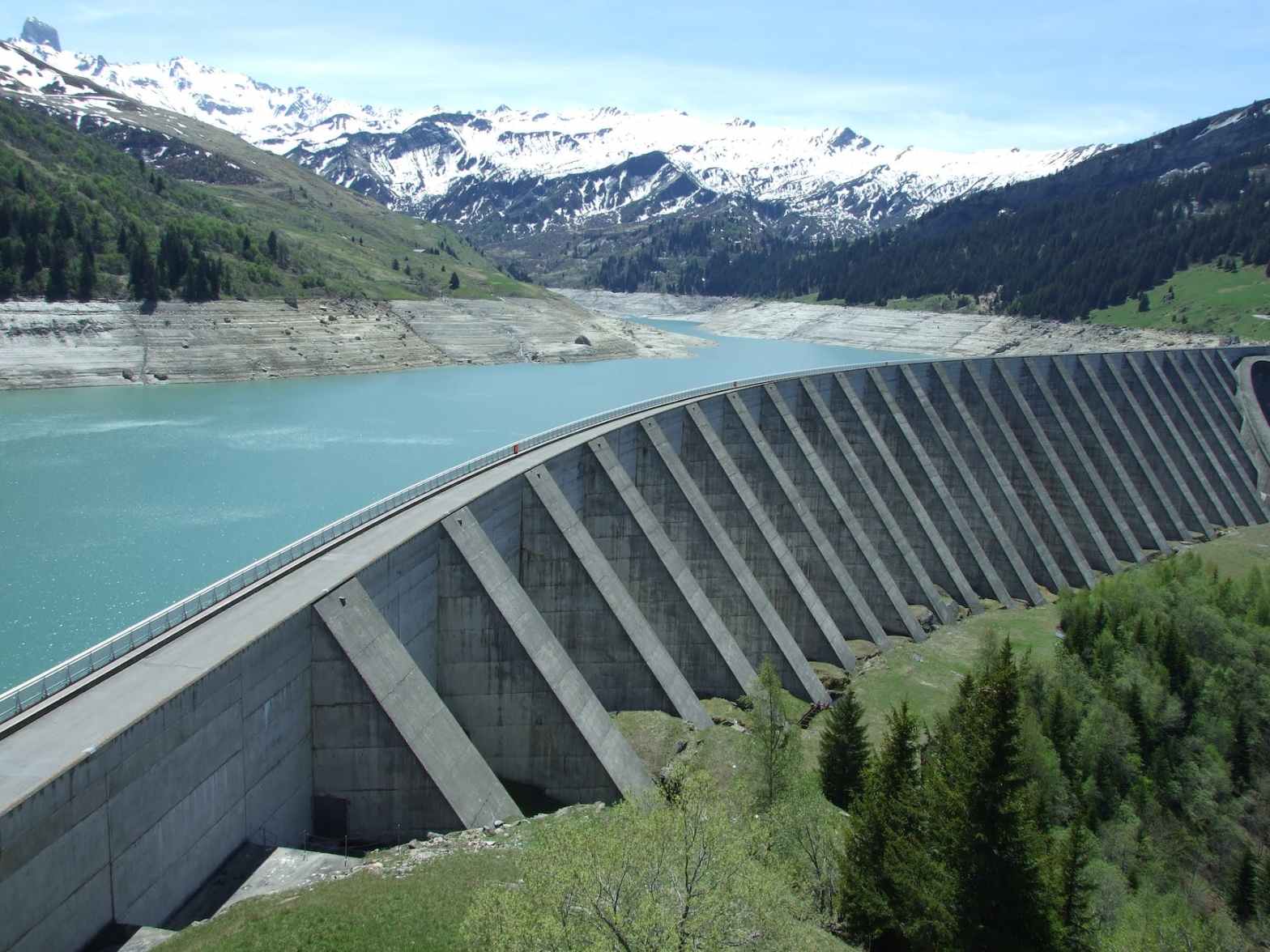
In the heart of the United States, a silent battle against land dispossession has been raging for generations. For Indigenous peoples, the construction of dams has been a devastating force, submerging vast stretches of tribal land and perpetuating the struggle for cultural preservation, livelihoods, and ecological balance.
Recent research has unraveled a haunting truth: dam constructions have flooded over 1.13 million acres of tribal land in the U.S., an area larger than the state of Rhode Island.
This alarming revelation calls for urgent attention to the profound consequences of these projects, encompassing the destruction of ecosystems, cultural heritage, and Indigenous ways of life.
The sprawling reservoirs formed by dam constructions have brought about immense ecological consequences. The inundation of tribal lands has disrupted delicate ecosystems that were once home to diverse plant and animal species.
The loss of naturally occurring flora and fauna endangers the delicate balance of these ecosystems, undermining their resilience and causing cascading impacts on surrounding regions.
Furthermore, the destruction of crucial riparian habitats and wetlands deprives numerous migratory and endemic species of their natural breeding grounds, threatening their very existence.
Beyond the environmental toll, the submergence of tribal lands translates into a tragic erasure of Indigenous cultural heritage. These lands are woven with stories, spirituality, and sacred sites that hold immeasurable significance for Indigenous communities.
As dams rise, ancestral lands, burial sites, and artifacts of cultural importance are condemned to remain below the water’s surface, detached from the communities that cherish them.
The loss of tangible and intangible cultural heritage leaves a profound void, obstructing the passing down of traditions, and hampering the cultural continuity that defines Indigenous societies.
The displacement caused by dam constructions also gravely affects the livelihoods of Indigenous peoples. These communities have traditionally relied on the land for sustenance, economic opportunities, and self-sufficiency.
The rapid flooding of tribal territories disrupts fishing and hunting practices, diminishing access to vital food sources. Furthermore, traditional agricultural practices are compromised, leading to a loss of agricultural diversity and sustainable land management practices that Indigenous societies have honed over centuries.
These socio-economic repercussions perpetuate the marginalization and displacement of Indigenous communities, exacerbating existing inequalities and hindering their path towards self-determination.
Addressing the pressing issue of dam-induced land dispossession is a collective responsibility that demands immediate action.
A comprehensive approach is required, encompassing the recognition of Indigenous rights to land and natural resources, inclusive decision-making processes, and the incorporation of traditional ecological knowledge in dam construction and management plans.
Furthermore, proactive measures to restore and preserve areas impacted by dam constructions are essential for reclaiming vital habitats and cultural heritage.
The submerged tribal lands in the United States form a grim testament to the historic and ongoing struggle against land dispossession faced by Indigenous peoples.
The stillness of the reservoirs echoes the silenced voices of generations, urging us to confront the alarming destruction of ecosystems, cultural heritage, and livelihoods caused by dam constructions.
Edited by Zeng Han-Jun
Written by Juliana Rodriguez

 Terra Link Research