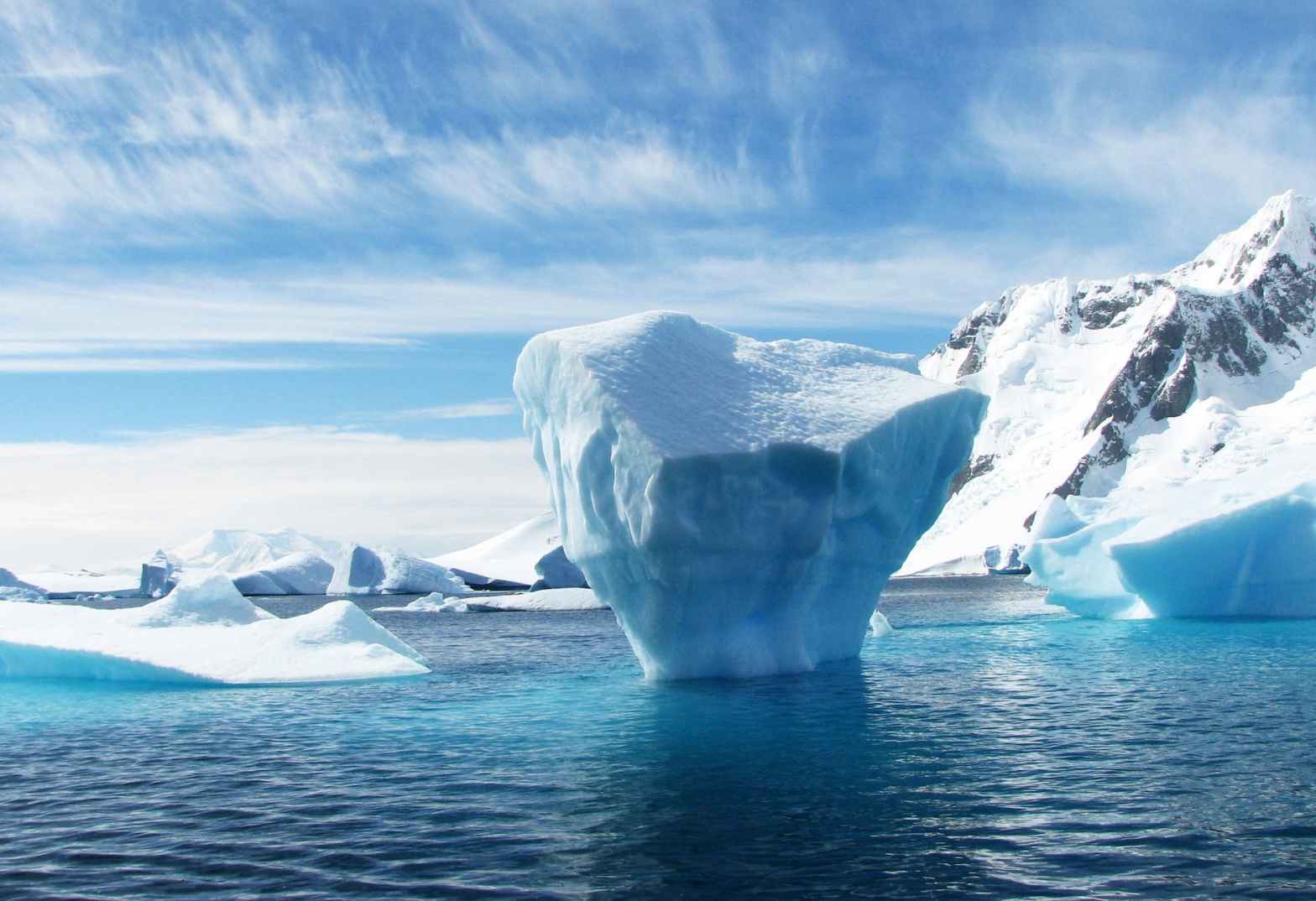
Glaciers, majestic ice formations that have captivated humankind for centuries, are now revealing an unsettling secret lurking beneath their stoic exteriors.
Recent research has shed light on a perilous feedback cycle, inextricably linking thinning ice sheets to the surging of water beneath glaciers.
This dangerous phenomenon not only intensifies glacial melt and exacerbates sea-level rise, but also poses significant threats to the delicate balance of the planet’s ecosystems.
A new study has uncovered an unsettling truth – as glaciers continue to thin, the water beneath them experiences surges, setting in motion a complex chain of events.
Scientists have long understood that the melting ice contributes to rising sea levels, but the impact of surging waters beneath glaciers adds an additional layer of concern.
Thinning ice sheets act as a catalyst, triggering a feedback loop that amplifies the rate of glacial melt and intensifies the potential consequences.
As the surging waters below glaciers push against the weakened ice sheets, this newfound pressure hastens the melting process, leading to even thinner ice.
This vicious cycle not only perpetuates the melting but also intensifies it, magnifying the release of freshwater into the oceans.
These rapidly disappearing glaciers, which have been nature’s frozen reserves for centuries, are now contributing to the unsettling rise of sea levels as they add billions of gallons of melted water to the world’s oceans each year.
The consequences of this dangerous feedback cycle extend far beyond the immediate threat of rising sea levels. As coastal regions grapple with the challenge of inundation, the delicate equilibrium of ecosystems faces severe disruptions.
Saltwater intrusion into freshwater systems, loss of critical habitats, and altered currents are just some of the biological disturbances these surging waters bring.
The repercussions are far-reaching, affecting marine life, plant species, and eventually, human communities that depend on these delicate ecosystems for sustenance and protection.
The urgency to address the impacts of these surging waters is paramount. While the complex nature of the problem demands comprehensive strategies, there are steps that can be taken to mitigate the potential damage. Implementing measures that slow down glacial melt, such as reducing carbon emissions and investing in renewable energy sources, is crucial.
Additionally, fostering international collaborations and supporting scientific research can aid in understanding the intricate mechanisms of this feedback cycle and pave the way for innovative solutions.
The revelation of surging waters beneath glaciers adds a new layer of complexity to the already daunting challenge of climate change.
The interplay between thinning ice sheets, glacial melt, and rising sea levels presents significant risks to our planet’s ecosystems and coastal communities.
Edited by Zeng Han-Jun
Written by Juliana Rodriguez

 Terra Link Research