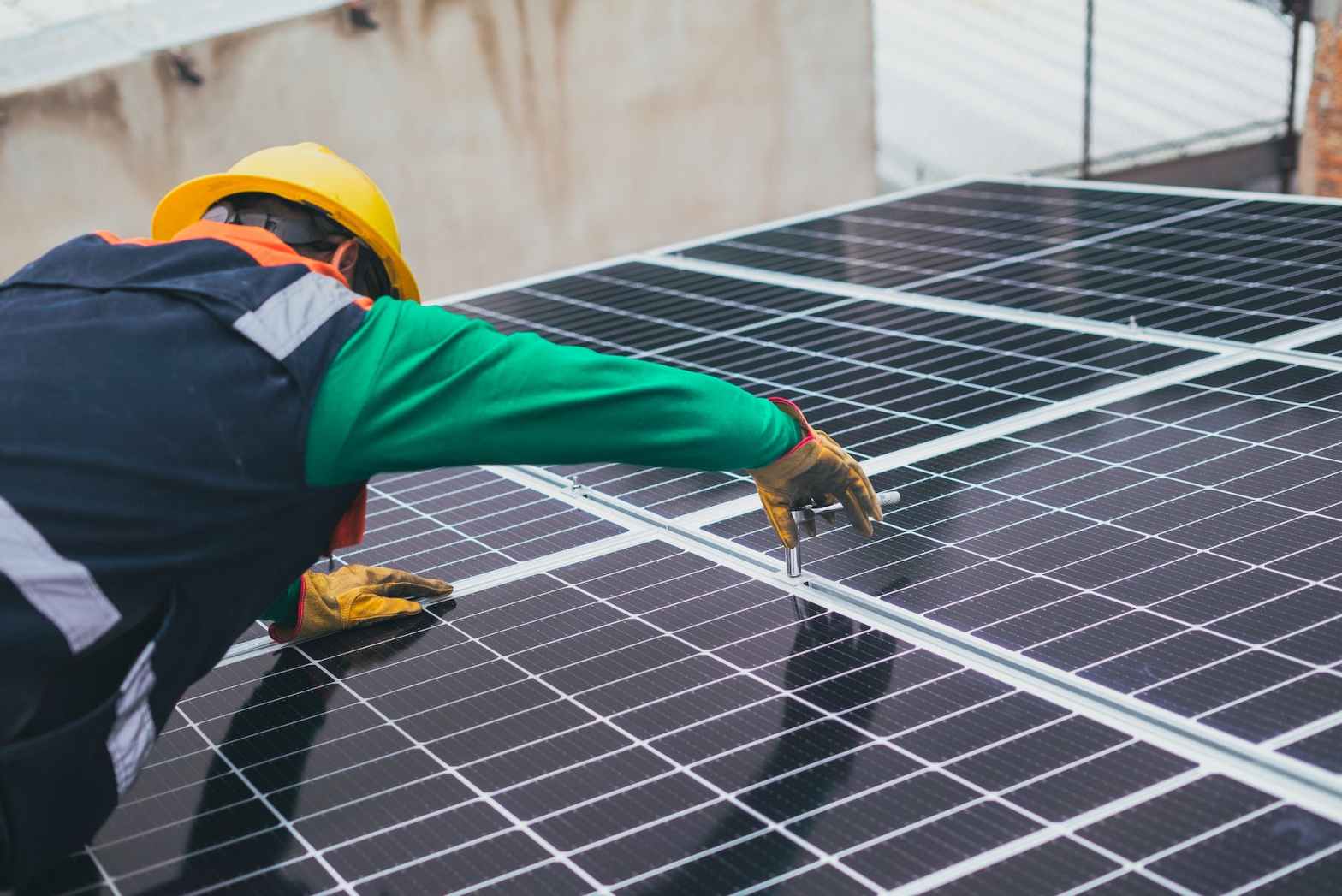
A groundbreaking study has shed light on the immense potential of standalone solar photovoltaic (PV) irrigation systems in addressing the water needs of small-scale farms across sub-Saharan Africa.
This astonishing finding opens up a new realm of possibilities for sustainable agriculture, enhanced food security, and economic empowerment in the region.
The study, conducted by a team of renowned researchers, investigated the viability of standalone solar PV irrigation systems as a means to alleviate water scarcity in sub-Saharan Africa.
The findings astoundingly revealed that these systems possess the capability to meet over a third of the water requirements for crops cultivated in small-scale farms across the region.
This breakthrough presents a ray of hope in regions where traditional irrigation methods fall short, further exacerbating the challenges faced by farmers.
Water scarcity is a pressing concern across sub-Saharan Africa, with many farmers grappling with limited or unreliable access to water resources. Traditional irrigation methods often rely on fossil fuels, which are costly, inaccessible, and detrimental to the environment.
The advent of standalone solar PV irrigation systems offers a sustainable alternative that is not only economically viable but also environmentally friendly.
By harnessing the abundant solar energy available in the region, standalone solar PV irrigation systems offer numerous advantages.
Firstly, they reduce dependency on fossil fuels, mitigating greenhouse gas emissions and contributing to a greener, more sustainable future.
Secondly, solar PV systems require minimal operating costs once installed, providing farmers with long-term cost savings while ensuring reliable access to water for irrigation.
Lastly, these systems can be easily tailored to suit the specific needs of small-scale farms, empowering local farmers and communities.
The potential impact of standalone solar PV irrigation systems on agriculture and food security in sub-Saharan Africa cannot be overstated. By enabling farmers to cultivate crops more efficiently, these systems have the power to enhance agricultural productivity and yield stability.
This, in turn, can bolster food security, reduce dependency on external food aid, and offer economic opportunities for rural communities.
Moreover, the utilization of solar PV technology in irrigation can foster sustainable farming practices, ultimately preserving precious water resources for generations to come.
To fully realize the transformative potential of standalone solar PV irrigation systems, it is crucial for policymakers, investors, and relevant stakeholders to collaborate and foster an enabling environment.
This entails promoting research and development initiatives, providing financial incentives, and establishing favorable regulatory frameworks to facilitate the widespread adoption of solar PV irrigation systems across sub-Saharan Africa.
Edited by Zeng Han-Jun
Written by Juliana Rodriguez

 Terra Link Research