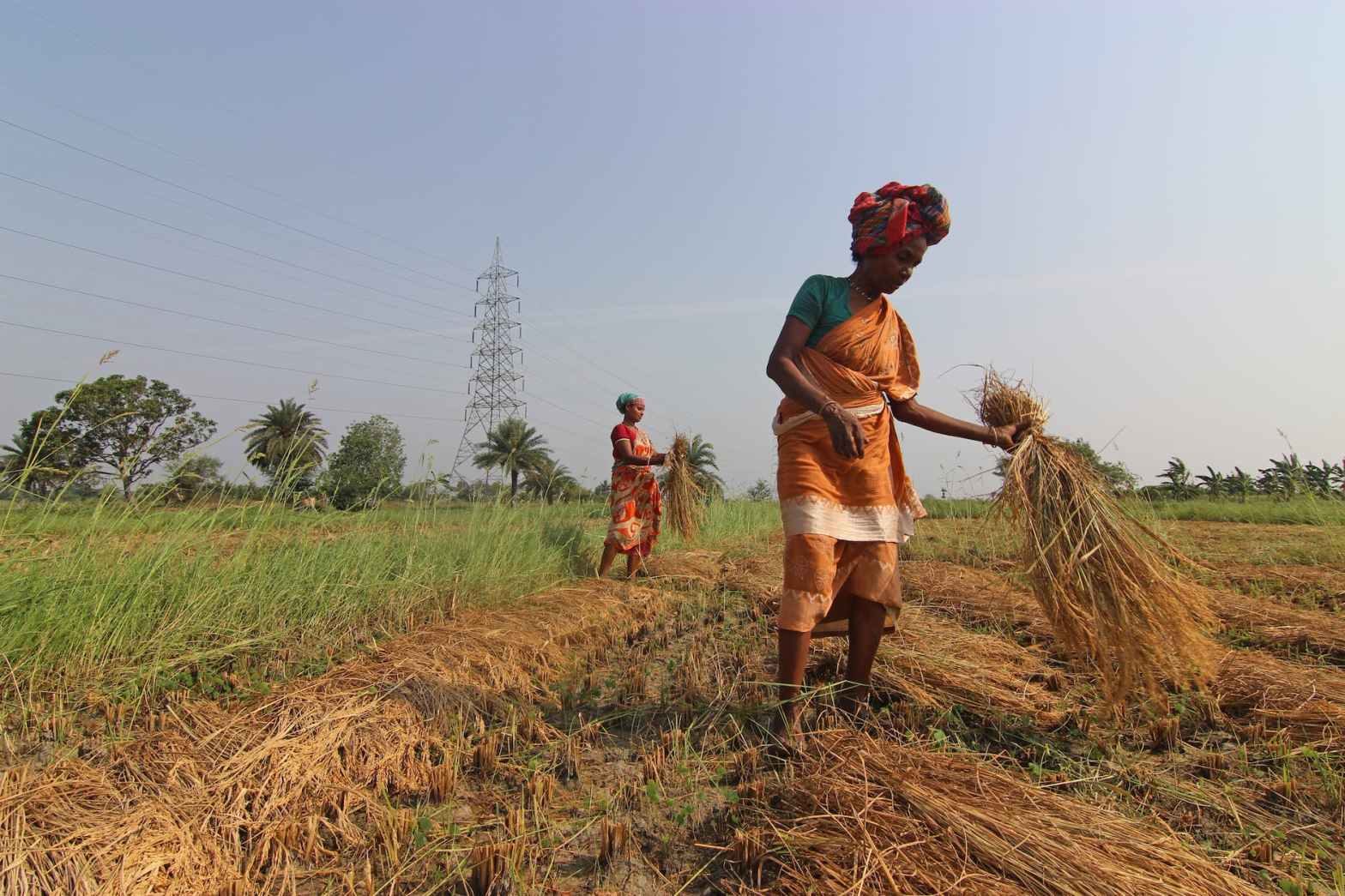
Alarming findings highlight the profound impact of climate change on the country’s agricultural practices. As warming temperatures persist, Indian farmers are increasingly relying on the extraction of groundwater for their irrigation needs, potentially exacerbating the rate of groundwater depletion.
If current trends persist, experts warned that the loss of groundwater could triple by 2080, posing significant threats to both India’s food security and water availability. Moreover, this escalating water scarcity issue has far-reaching consequences beyond the nation’s borders, making it a pressing concern for the global community.
India, with its vast population of 1.4 billion people, heavily relies on agriculture as a major source of livelihood for a significant portion of its residents. However, the harmonious balance between agricultural demands and the availability of water resources is under severe strain.
Historically, groundwater has played a crucial role in meeting the needs of farmers, serving as a reliable backup during dry spells and ensuring consistent crop production. But with changing climatic patterns, farmers are increasingly resorting to excessive groundwater withdrawal to compensate for irregular rainfall and rising temperatures.
The consequences of this intensified reliance on groundwater extraction are multifaceted, with far-reaching implications for both India and the wider global community.
Firstly, the dwindling groundwater levels pose an immediate threat to food security within the country. Crop yields, particularly those dependent on irrigation, could be severely impacted as access to water becomes scarcer.
The ability of farmers to cultivate crucial staple crops, such as rice and wheat, may be compromised, leading to rising food prices, increased vulnerability to hunger, and potential social unrest.
Secondly, the repercussions of India’s water crisis transcend national boundaries. As one of the world’s largest food producers, India plays a crucial role in global agricultural markets. The disruption of its food production due to water scarcity can create ripple effects throughout the global food supply chain.
Price volatility, decreased availability, and increased competition in the global market could potentially impact food security in various regions, affecting vulnerable populations worldwide.
The urgency to address this impending crisis and safeguard both national and global interests cannot be understated. A multi-faceted approach is essential, combining sustainable agricultural practices, efficient water management, and concerted efforts to mitigate climate change.
Encouraging farmers to adopt climate-resilient agriculture through the promotion of precision irrigation techniques, efficient water usage, and drought-resistant crops is vital to reduce reliance on groundwater.
Simultaneously, policymakers need to implement effective regulation and monitoring of groundwater extraction to prevent unchecked usage. Investing in alternative sources of water, such as rainwater harvesting and improving water infrastructure, can also mitigate the pressure on groundwater resources.
International collaboration and support are crucial in this endeavor, as the global community must recognize the shared responsibility in addressing the interlinked challenges of water scarcity, climate change, and food security.
India stands at the forefront of a planetary struggle where the consequences of inaction can be severe and wide-reaching.
By addressing the escalating issue of groundwater depletion with urgency, India has an opportunity, not just to protect the livelihoods of its citizens but also to demonstrate global leadership in sustainable agriculture, resource stewardship, and climate change mitigation.
Edited by Zeng Han-Jun
Written by Juliana Rodriguez
 Terra Link Research