In an era dominated by portable electronic devices and the ever-growing demand for renewable energy storage, lithium-ion batteries (LIBs) have emerged as the backbone of this remarkable technological progress.
However, as more LIBs are required to keep pace with the surging renewable energy sector, concerns regarding rising lithium prices, depleting resources, and the growing presence of toxic substances within discarded batteries have come to the forefront.
As renewable energy sources, such as solar and wind, continue to make significant strides in replacing conventional power generation, the importance of energy storage systems has skyrocketed.
LIBs provide the necessary storage capabilities for these fluctuating energy sources, enabling reliable power supply to our portable devices, electric vehicles, and grid systems.
With a rapidly growing demand for LIBs comes an increased strain on lithium resources, a finite and geographically concentrated element required for battery production.
In order to meet this demand sustainably, effective lithium recovery methods become imperative.
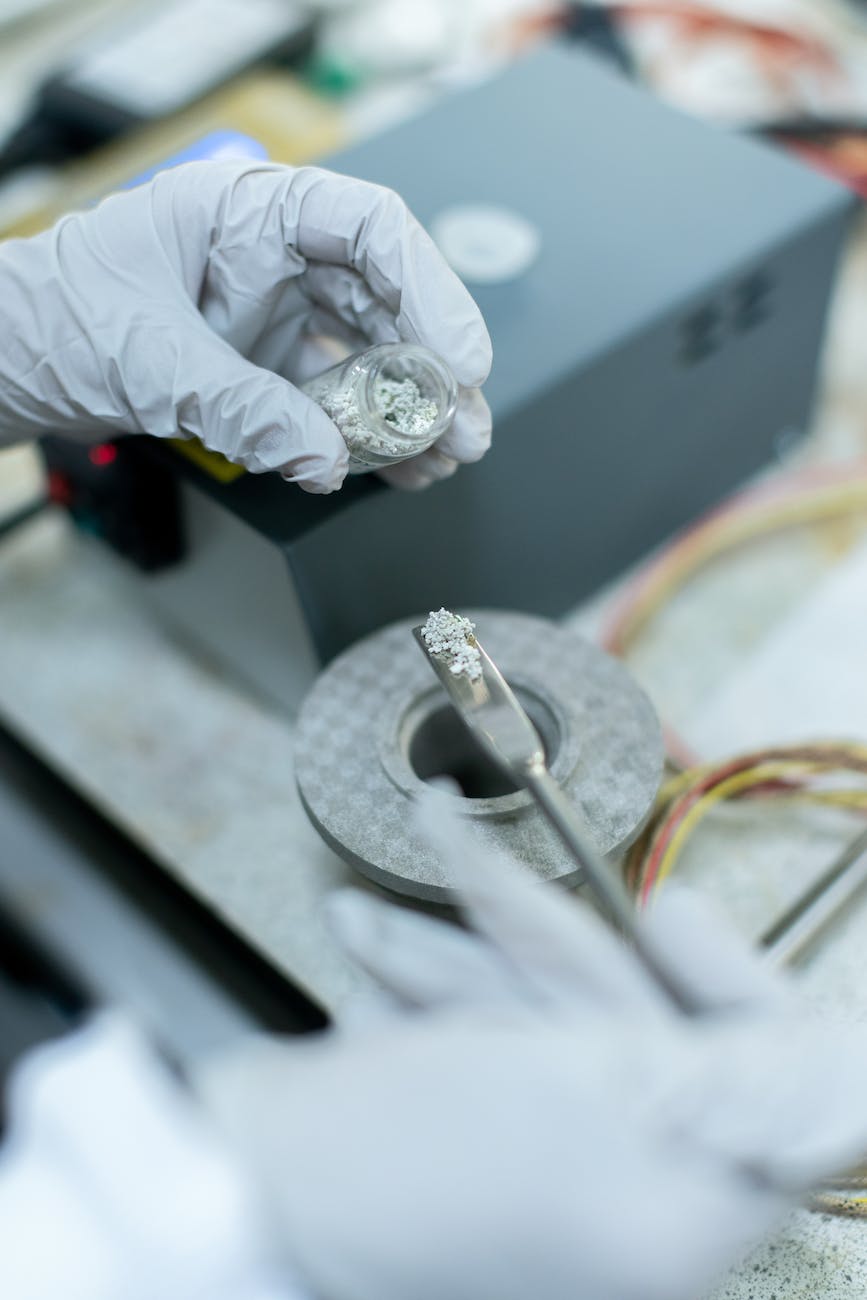
Recognizing the urgency for a solution, researchers have recently unveiled a novel approach to retrieve lithium from used LIBs.
This groundbreaking methodology focuses on efficiently extracting and reclaiming lithium, mitigating the strain on resources and ensuring the safe handling of battery waste.
The recovery process begins by carefully disassembling discarded LIBs, separating the different components to access the valuable lithium-containing parts.
By implementing advanced technologies, researchers have devised techniques to isolate lithium from other metals, such as cobalt and nickel, found within battery compositions.
This precision-driven approach not only ensures the conservation of valuable resources but also minimizes environmental impact, as toxic substances present in used LIBs are a significant concern.
The successful implementation of this innovative recovery technique holds several significant benefits for both the industry and the environment.
Firstly, efficient lithium recovery allows for the extension of the element’s lifespan, reducing the strain on mining operations and contributing to the overall sustainability of battery production.
Moreover, by salvaging lithium from used LIBs instead of relying solely on primary sources, the environmental impact related to lithium extraction can be drastically minimized.
Furthermore, through the adoption of this approach, the mounting issue of toxic substances present in discarded batteries can be addressed.
By properly handling and extracting lithium from these batteries, the risk of harmful materials seeping into the environment is significantly mitigated.
The emergence of renewable energy sources has ushered in a new era of possibilities, with lithium-ion batteries playing a pivotal role in powering our myriad of electronic devices and electric vehicles.
However, their widespread usage has also brought forth critical challenges. It is in addressing these very concerns that researchers have developed a pioneering method to recover lithium from used LIBs efficiently.
By unlocking the potential of this cutting-edge recovery approach, we can seize the opportunity to build a more sustainable future.
With reduced strain on resources, diminished environmental impact, and the safe handling of toxic substances, this innovative solution represents a significant step towards achieving a circular economy for lithium-ion batteries.
Edited by Zeng Han-Jun
Written by Juliana Rodriguez
 Terra Link Research