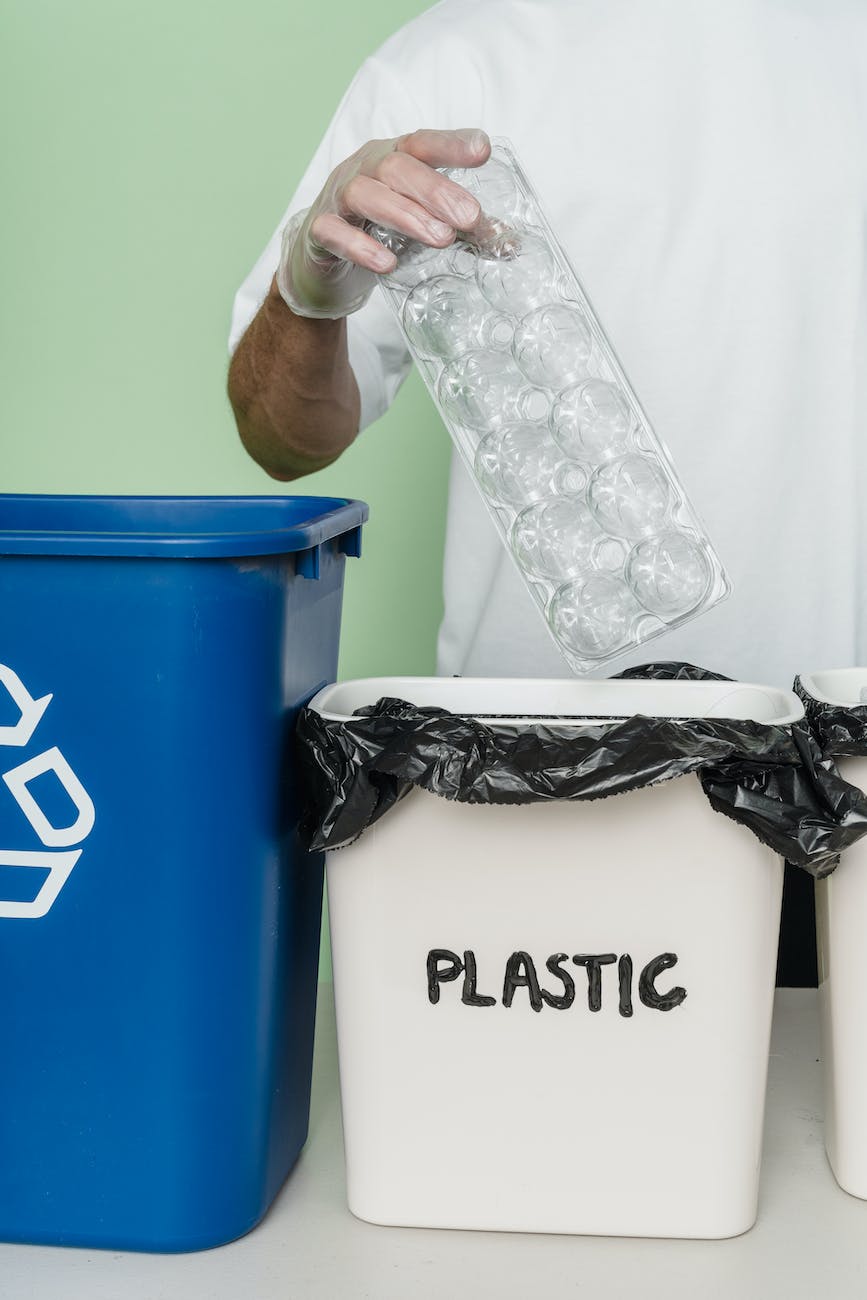
The world is facing an enormous challenge when it comes to plastic waste. However, amidst this crisis, researchers have made a groundbreaking discovery in waste management techniques.
They have successfully developed a low-emissions method to harvest hydrogen from plastic waste, while simultaneously generating graphene as a valuable by-product.
This innovative approach not only offers a potential solution to the plastic waste problem but also provides a pathway towards offsetting production costs.
The harnessing of hydrogen as a source of clean energy has long been recognized as a promising alternative to fossil fuels. However, the production of hydrogen often relies on non-renewable resources and energy-intensive methods.
To address this challenge, scientists have focused their efforts on finding sustainable and economically viable ways to generate hydrogen. Enter plastic waste, an abundant and often untapped resource that can potentially serve as a valuable feedstock for hydrogen production.
This avenue not only addresses the plastic waste problem but also supports the transition towards a greener energy future.
In this recent breakthrough, researchers have successfully identified a low-emissions method to extract hydrogen from plastic waste, revolutionizing the way we approach waste management.
By employing a process known as catalytic pyrolysis, the plastic waste is heated in the absence of oxygen, resulting in the release of hydrogen gas. Crucially, this method minimizes greenhouse gas emissions, making it an environmentally sustainable approach.
Additionally, as a fortuitous by-product of this process, graphene, a highly versatile and sought-after material, is generated.
This dual-product outcome further enhances the economic viability of this method and provides an additional incentive for its adoption.
Graphene, a one-atom-thick sheet of carbon atoms arranged in a honeycomb lattice, possesses exceptional properties such as high electrical conductivity, mechanical strength, and thermal stability.
Its potential applications span across various industries, including electronics, energy storage, and medicine. With the production of graphene as a by-product of the low-emissions method, the economic benefit of adopting this hydrogen extraction technique becomes even more apparent.
The revenue generated from the sale of graphene can help offset the costs of the waste management process, making it an economically attractive solution for both waste disposal and energy production sectors.
The ability to harvest hydrogen from plastic waste using a low-emissions method heralds a new era in waste management practices.
This breakthrough not only tackles the plastic waste crisis but also offers an environmentally friendly alternative to traditional hydrogen production methods.
By reducing greenhouse gas emissions, providing a pathway to cleaner energy, and generating a valuable by-product, this technology holds the potential to revolutionize waste management and fuel the transition towards a more sustainable and circular economy.
The discovery of a low-emissions method to harvest hydrogen from plastic waste, along with the fortuitous production of graphene as a by-product, presents a remarkable opportunity for reshaping waste management practices.
This innovative approach not only addresses the plastic waste problem but also offers a sustainable and economically viable pathway to hydrogen production.
Edited by Zeng Han-Jun
Written by Juliana Rodriguez
 Terra Link Research