In the pursuit of mitigating climate change, reducing carbon dioxide (CO2) emissions is undoubtedly indispensable.
However, experts assert that curbing emissions alone may not suffice; we also need to focus on capturing and storing the excess carbon already present in the atmosphere.
In a groundbreaking development, a team of dedicated plant scientists has put forth an intriguing proposal – harnessing the untapped potential of arid lands, such as deserts, as a viable solution for addressing the carbon capture conundrum.
While deserts are often seen as barren landscapes, these arid lands can offer unexpected opportunities to combat climate change.
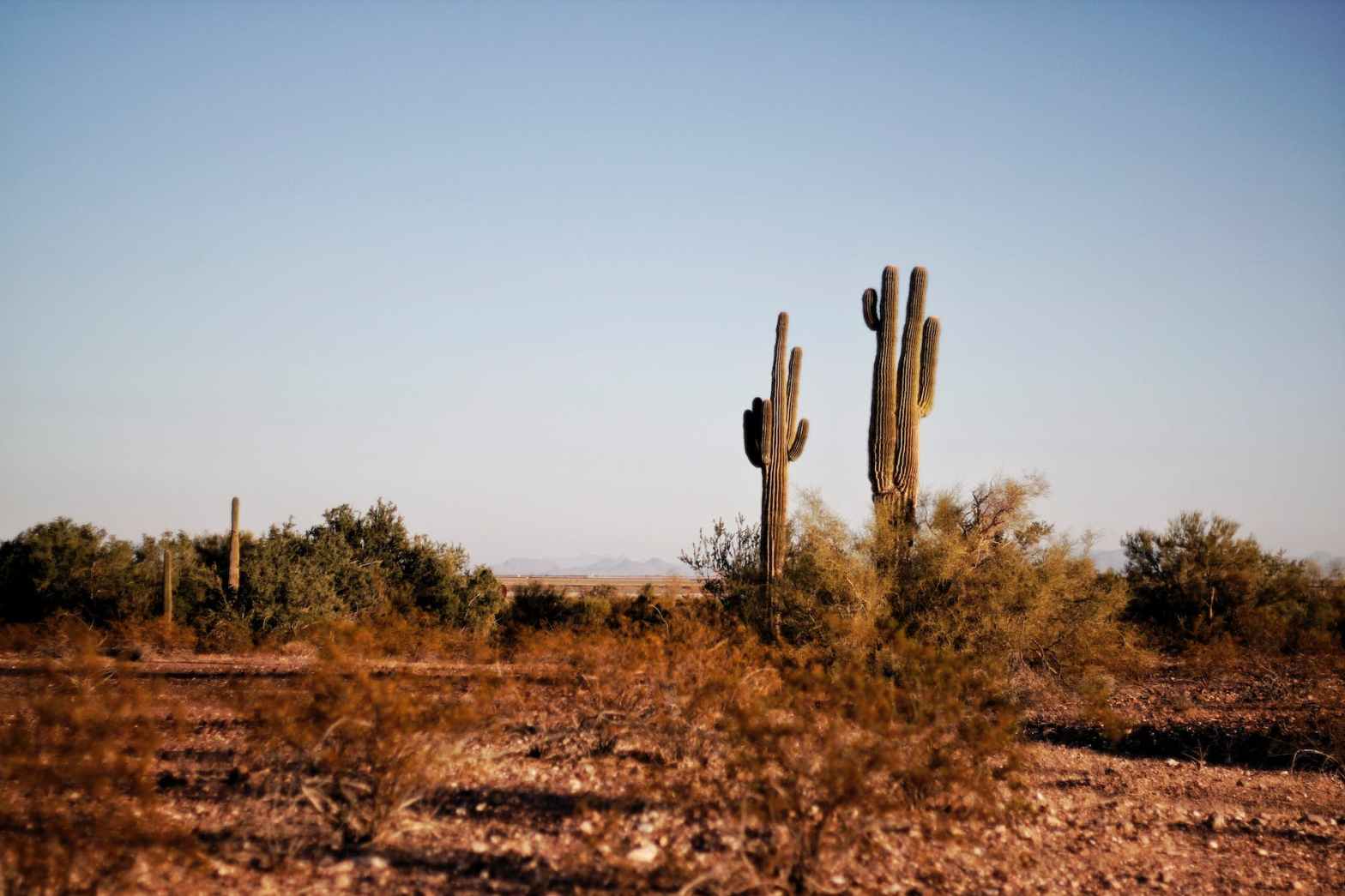
Eminent plant scientists argue that certain plant species in these harsh environments possess unique qualities that enable them to excel in capturing and storing carbon.
By harnessing these properties, we might uncover a powerful tool in our battle against rising CO2 levels.
The potential of arid lands stems from an exciting body of research conducted by a team of inspired scientists.
Through their dedicated efforts, they have discovered specific plant species that possess an inherent ability to extract carbon from the atmosphere and store it within their biomass.
This natural process, known as carbon sequestration, has been witnessed in diverse species, including certain cacti, succulents, and even some desert grasses.
Surviving in arid environments requires specialized adaptations, and some plant species have evolved remarkable mechanisms to overcome the scarcity of water and nutrients.
Remarkably, the same adaptations that enable them to thrive in aridity also equip them with the potential to capture and store carbon efficiently.
These desert-dwelling plants exhibit characteristics such as deep root systems, efficient water usage, and enhanced carbon-fixing abilities, making them ideal candidates for carbon sequestration efforts.
The utilization of arid lands for carbon capture presents several advantages that cannot be overlooked.
Firstly, vast expanses of deserts remain underexplored, representing a vast potential resource to deploy carbon sequestration techniques on a large scale.
Additionally, repurposing arid lands for carbon capture initiatives would not interfere with existing ecosystems or food production, thus avoiding potential conflicts or environmental concerns.
To realize the immense potential of arid lands for carbon capture, collaboration between scientists, policymakers, and the private sector is vital.
Further research initiatives, coupled with investment in technology and infrastructure, are necessary to harness the full capabilities of desert-adapted plants.
Additionally, fostering international cooperation and incentivizing the adoption of carbon capture practices could accelerate the deployment of this promising solution on a global scale.
Reducing CO2 emissions remains a critical objective in the fight against climate change.
However, targeting existing excess carbon in the atmosphere through effective carbon capture methods is equally imperative.
The groundbreaking research conducted by plant scientists highlighting the potential of arid lands, such as deserts, presents an exciting opportunity to tackle the carbon capture challenge head-on.
Edited by Zeng Han-Jun
Written by Juliana Rodriguez
 Terra Link Research