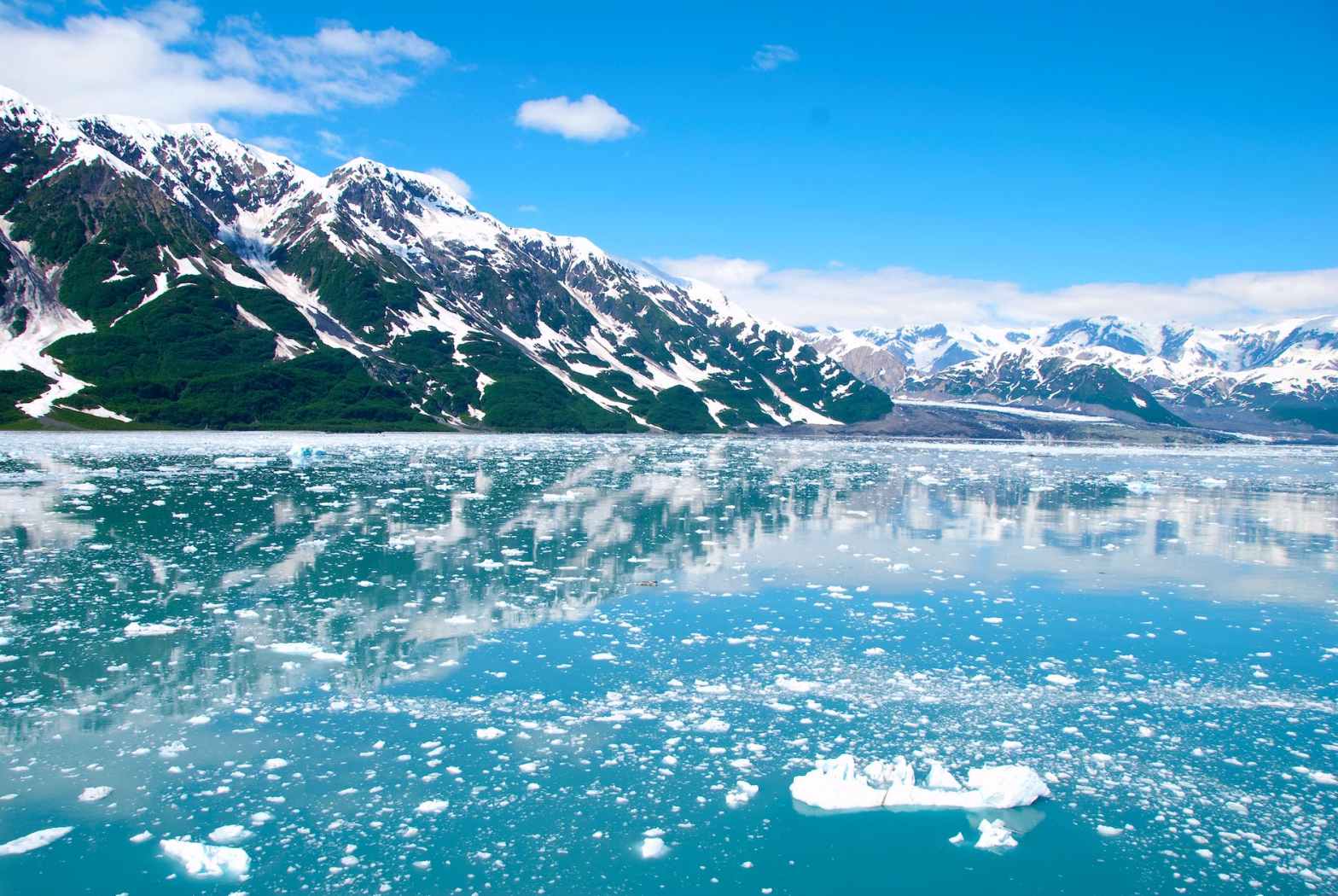
Glaciers, the majestic rivers of ice that shape the Earth’s landscapes, have long been the subject of fascination and scientific inquiry.
However, recent research has brought to light a distressing reality – the loss, stagnation, and transformation of several glaciers across the globe.
Unveiling these staggering revelations, researchers have observed the complete disappearance of certain glaciers. These frozen giants, once formidable and awe-inspiring, have now been reduced to mere memories.
The reasons behind their demise can be primarily attributed to rising global temperatures and the subsequent melting of ice masses.
Another disconcerting observation made by researchers is the stagnation of glaciers that were once vibrant and dynamic.
These colossal ice formations, once flowing languidly, have now almost come to a standstill.
This stagnant state has grave implications for the delicate ecological balance as glacier meltwater significantly contributes to the Earth’s freshwaters systems and influences climate patterns.
Adding to the worrying trend, researchers have identified glaciers that have become diminutive, failing to meet the minimum area requirement of 0.01 square kilometers.
These diminished versions of their former selves reflect the rapid erosion and retreat of these ice masses, as they struggle to sustain their original size and shape.
Further investigations by scientists have unveiled yet another consequence of the changing climate – the appearance of rock glaciers.
These peculiar formations consist of rocky debris housing pockets of ice within the interstitial spaces. Unlike traditional glaciers, these rock glaciers lack the characteristic river-like flow and are primarily attributed to the increasing presence of debris-covered areas due to glacial retreat.
The disappearance, stagnation, and transformation of glaciers have profound ramifications for the global environment.
Beyond their sheer beauty, glaciers serve as vital indicators of climate change and hold great significance in maintaining fragile ecosystems.
The melting of glaciers leads to rising sea levels, alteration of river systems, and disruption of freshwater resources, affecting both human communities and diverse wildlife.
Additionally, the loss of glacial ice reduces the Earth’s ability to reflect sunlight, exacerbating global warming.
The revelations brought forth by scientific research regarding the vanishing glaciers serve as a clarion call for immediate and decisive action to combat climate change.
The disappearance of these ice formations, their stagnant states, their dwindling sizes, and the emergence of rock glaciers are stark reminders of the severe consequences we face due to human-induced global warming.
Edited by Zeng Han-Jun
Written by Juliana Rodriguez
 Terra Link Research