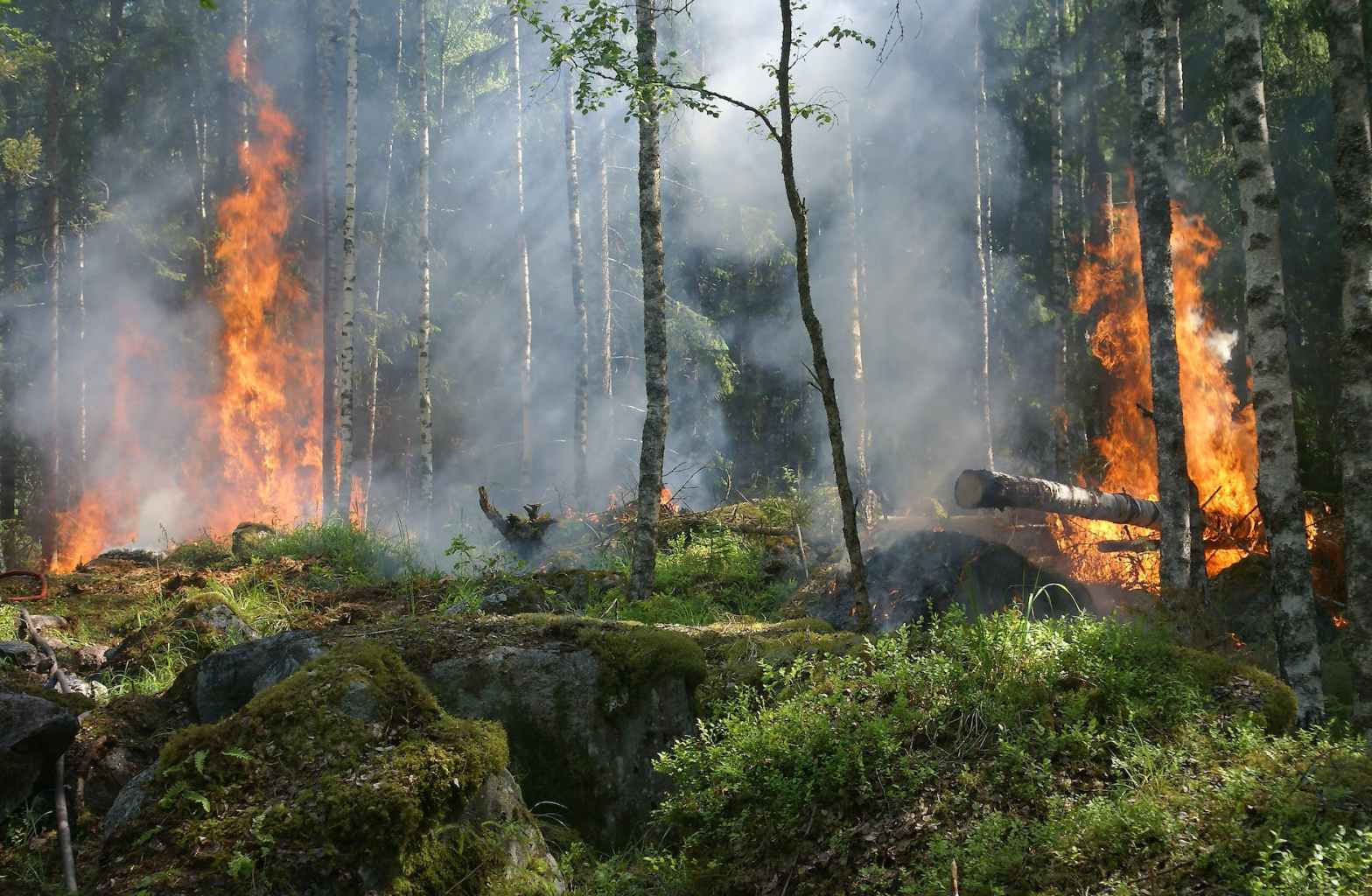
As the threat of wildfires continues to loom large over the American West, climate change presents a new set of challenges for effective wildfire management.
Recent research reveals that the changing climate will significantly impact the ability to safely conduct prescribed fires, a vital tool in mitigating wildfire risks.
According to recent research, climate change is expected to reduce the number of safe days for lighting prescribed fires in the American West by 17%.
Prescribed fires, also known as controlled burns, are carefully planned and managed fires that help reduce fuel loads and restore landscapes, ultimately preventing uncontrolled wildfires.
With fewer safe days available due to climate change, the window of opportunity for implementing these vital fires becomes narrower.
Interestingly, the research also indicates a net increase of 4% in the number of favorable days for conducting prescribed burns during the winter.
This could be seen as a glimmer of hope in managing wildfire risks. However, it is important to note that this alone will not be sufficient.
Strategies and policies must be adapted in response to these changing conditions to make the most of the available opportunities and minimize the risk of destructive wildfires.
To address the challenges posed by climate change, policymakers must take proactive measures that recognize the evolving landscape of wildfire management.
This may include revisiting existing regulations and guidelines surrounding prescribed burns to ensure they align with the changing climate patterns.
Furthermore, it is crucial to foster collaboration between government agencies, private landowners, and local communities to create a comprehensive approach to wildfire management that considers climate change impacts.
As the number of safe days diminishes due to climate change, the availability of skilled firefighters becomes even more critical.
Adequate resources must be allocated to ensure that trained personnel are available to respond to wildfires promptly.
This may involve bolstering recruitment efforts, providing ongoing training, and establishing interagency partnerships to enhance firefighting capabilities and coordination.
Climate change poses significant challenges to the management of wildfires in the American West, particularly in relation to the use of prescribed fires.
While the number of favorable days for conducting these controlled burns may increase slightly during the winter, policy changes and a focus on firefighter availability are imperative to adapt to the changing conditions effectively.
Edited by Zeng Han-Jun
Written by Juliana Rodriguez
 Terra Link Research