In today’s rapidly changing world, where power disruptions have become an unfortunate reality, the need for sustainable and resilient communities has gained paramount importance.
Engineers and scientists are delving into the concept of thoughtful design to mitigate the energy vulnerability of neighborhoods during these disruptions.
Additionally, they are studying the design characteristics necessary for ensuring the smooth transition of local populations to shelters when the situation demands.
Researchers scrutinize the design and energy characteristics of buildings and neighborhoods to identify the factors that contribute to their vulnerability during power disruptions.
By assessing these vulnerabilities, they aim to build a comprehensive understanding of the potential consequences and develop effective strategies to reduce them.
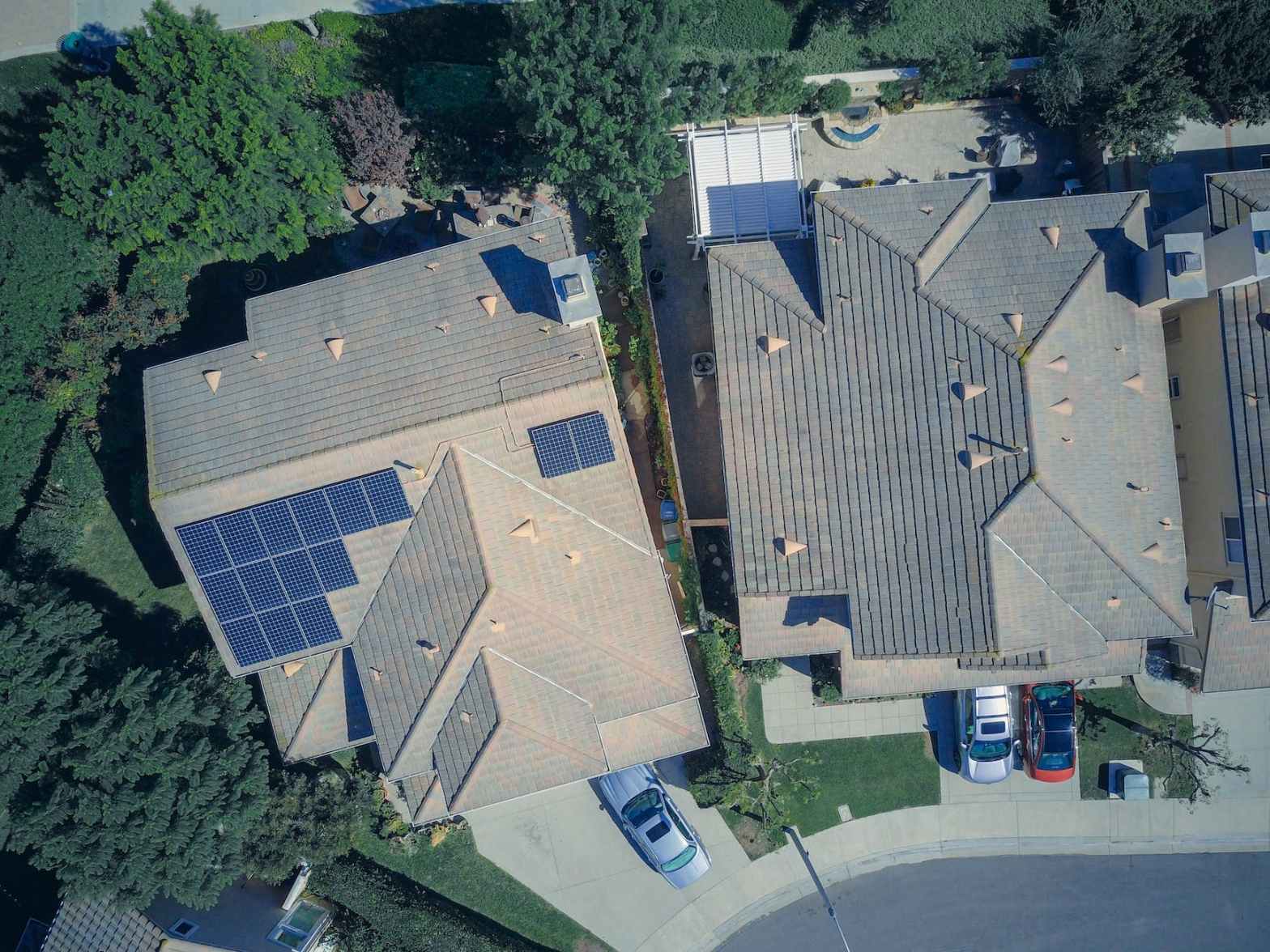
Moreover, the analysis crucially examines the accessibility of alternative and renewable energy sources, such as solar or wind power, during times of crisis.
To determine the most beneficial response strategies for affected populations, researchers employ various scenarios involving different durations of power disruptions.
By simulating these scenarios, they can study how different design elements and energy solutions perform under varying circumstances.
This comprehensive approach enables them to evaluate the efficacy of potential solutions and identify the most favorable course of action.
Thoughtful design encompasses a range of considerations aimed at increasing the resilience of communities.
It involves incorporating robust energy infrastructure, such as microgrids, which can function autonomously during power outages.
These microgrids can integrate renewable energy sources and smart energy management systems to ensure continuous power supply to critical facilities in the neighborhood, such as hospitals and emergency shelters.
Furthermore, thoughtful design incorporates spatial planning strategies that enhance the walkability and proximity of essential services for residents.
This approach not only reduces the energy required for transportation but also facilitates easier access to support systems during disruptions.
Implementing thoughtful design principles to bolster energy sustainability offers numerous benefits for neighborhoods.
Firstly, it reduces the vulnerability of communities during power disruptions, ensuring a continuous supply of power to critical facilities and households.
Secondly, by integrating alternative and renewable energy sources, neighborhoods become less dependent on traditional energy grids, thus promoting eco-friendly living and reducing carbon emissions.
As the frequency and intensity of power disruptions continue to increase, engineers and scientists are intensively researching how thoughtful design can play a vital role in reducing energy vulnerability and ensuring seamless transitions to shelters during crises.
By examining the design and energy characteristics of buildings and neighborhoods, researchers aim to identify vulnerabilities and access to alternative energy sources.
Through various response scenarios, they determine the most beneficial design characteristics for affected populations, ultimately fostering sustainable and resilient communities.
Embracing thoughtful design principles empowers neighborhoods, creating energy-independent environments that withstand disruptions while minimizing the negative impact on their inhabitants.
Edited by Zeng Han-Jun
Written by Juliana Rodriguez
 Terra Link Research