As we bask in the wonders of nature’s abundance, certain hidden champions tirelessly work behind the scenes, ensuring the growth and prosperity of our favorite tropical crops.
However, recent research sheds light on a significant challenge faced by these unsung heroes – the loss of insect pollinators.
We uncover the findings of a new study that highlights the potential risks this decline poses to tropical crops, including coffee, cocoa, watermelon, and mango.
Insect pollinators, such as bees, butterflies, flies, and beetles, play an indispensable role in the pollination process, facilitating the reproduction of countless plant species worldwide.
The mesmerizing dance of these creatures from flower to flower enables the transfer of pollen, consequently resulting in the formation of fruits and seeds.
This intricate symbiotic relationship ensures genetic diversity, enhances crop yields, and promotes the overall health of ecosystems.
Regrettably, a new study has raised concerns about the future stability of tropical crops due to a decline in insect pollinators’ population.
Among the crops potentially at risk are coffee, cocoa, watermelon, and mango, which thrive in the warm, tropical climates that are home to many pollinators.
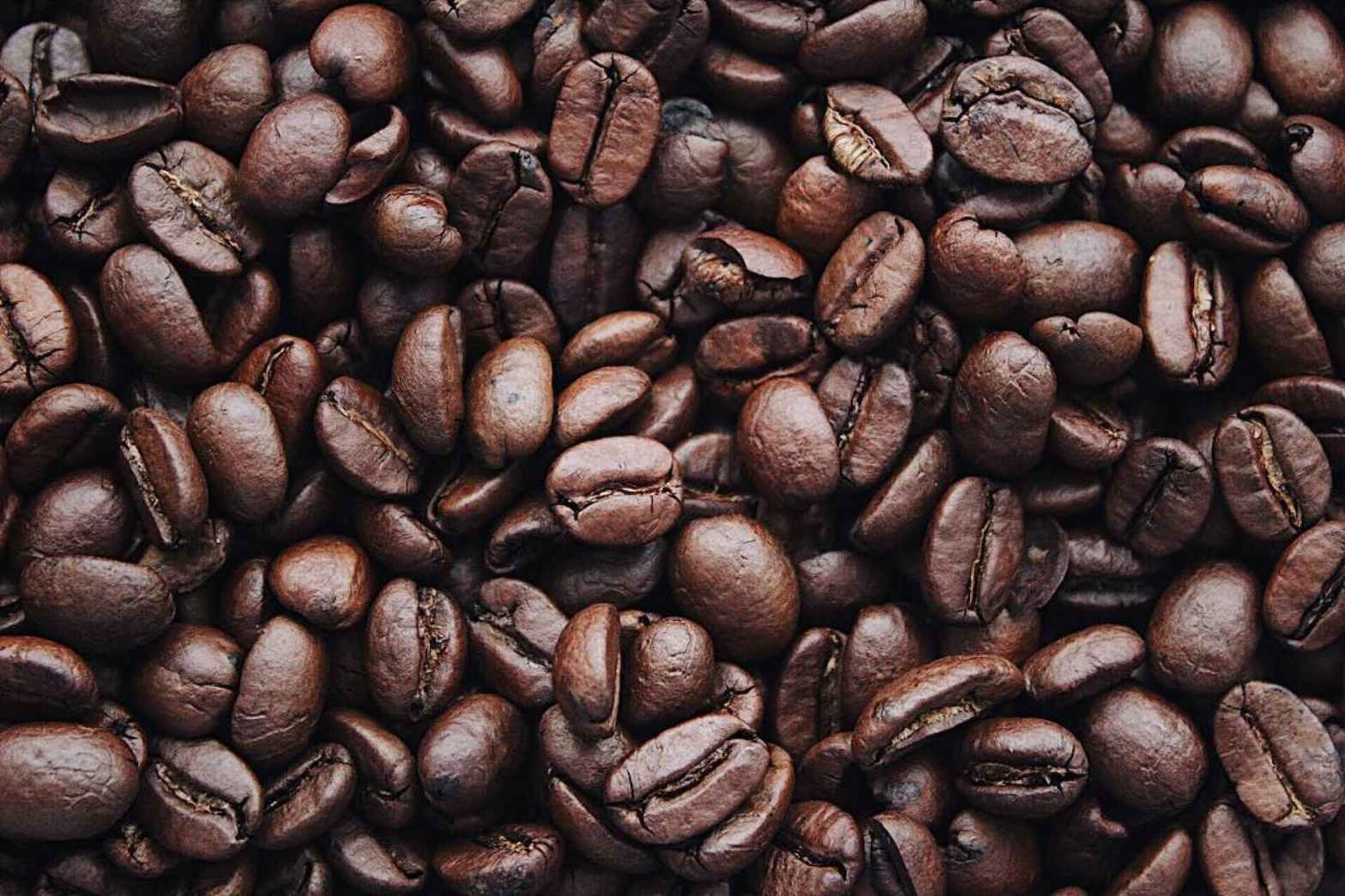
Coffee, the beloved elixir that graces our mornings, relies heavily on pollinators such as bees and butterflies for successful fertilization.
Without them, the fragrant blossoms of coffee plants may remain barren, leading to significant losses in yield and quality.
Similarly, cocoa plants, the source of divine chocolate, rely on tiny flies and midges to carry out the vital task of pollination.
Losing these pollinators could throw cocoa production into turmoil, affecting our beloved treats.
Watermelon, with its refreshing sweetness, and mango, the king of tropical fruits, are also grappling with the threat of diminishing pollinators.
Bees, in particular, have a pivotal role in ensuring the successful production of watermelon. Meanwhile, mango trees rely on a variety of pollinators, including bees, butterflies, and ants, to bring forth the luscious fruit that has become an international delicacy.
The absence or decline of these pollinators might lead to disappointing harvests and diminished availability of these tropical delights.
The alarming decline of insect pollinators is widely attributed to a combination of factors, including habitat loss, pesticide use, climate change, and the spread of diseases.
Human activities, such as intensive agriculture and urbanization, have encroached upon the natural habitats of these vital creatures, limiting their foraging areas and reproductive opportunities.
Recognizing the critical role of insect pollinators and their impact on tropical crops is the first step towards mitigating the risks posed by their decline.
Collective efforts involving farmers, policymakers, researchers, and consumers are needed to address this pressing issue.
Promoting sustainable farming practices, preserving pollinator-friendly habitats, reducing pesticide use, and raising awareness among consumers about the importance of pollinators can all contribute to the preservation of our precious tropical crops.
The protection and conservation of insect pollinators stand as a collective responsibility, given their indispensable role in ensuring the vitality of tropical crops.
As we sip our morning coffee, indulge in a square of chocolate, or savor the sweetness of a juicy watermelon slice, let us not overlook the tiny heroes that make these pleasures possible.
Edited by Zeng Han-Jun
Written by Juliana Rodriguez
 Terra Link Research