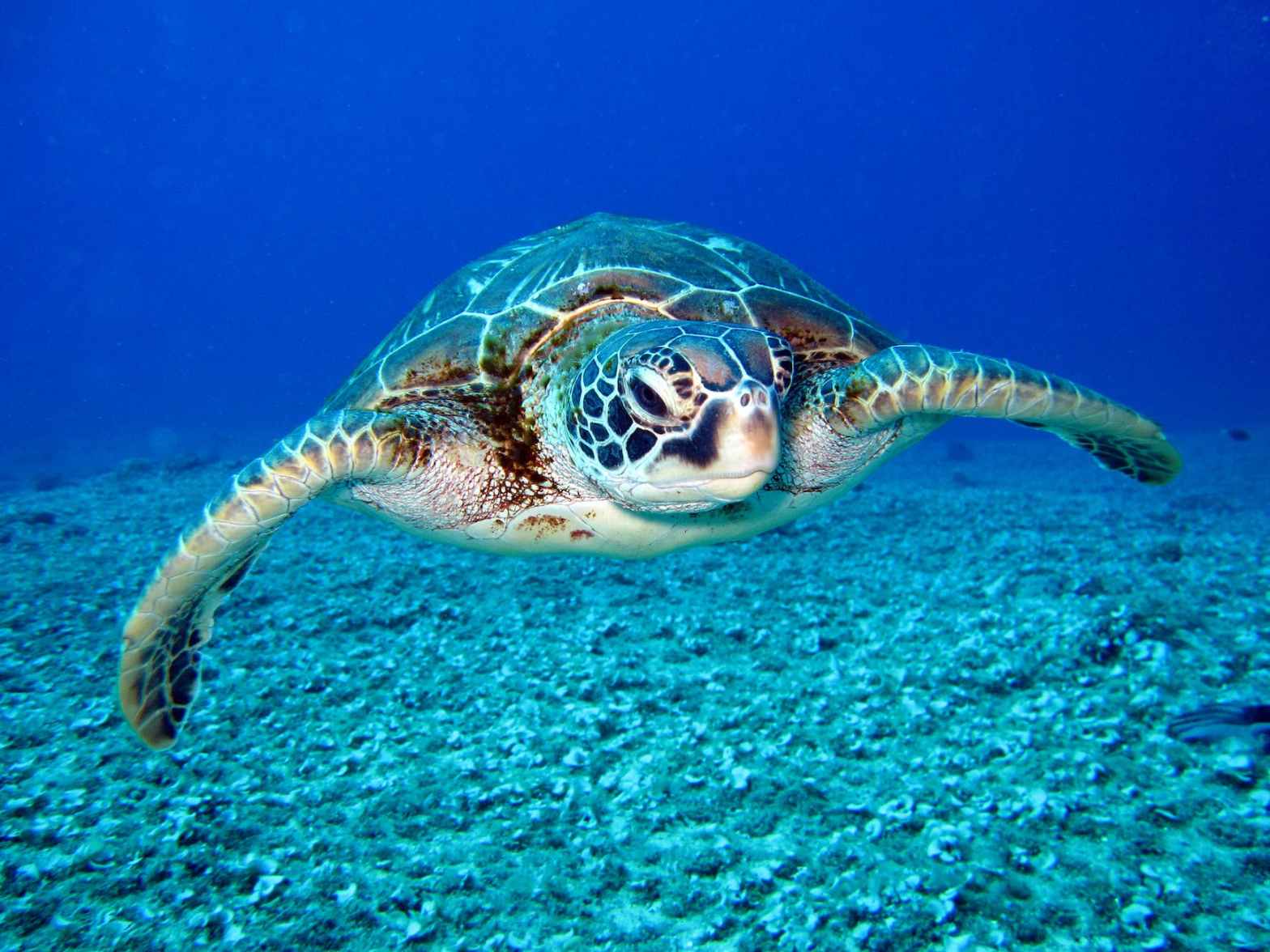
Witnessing the majesty of sea turtles emerging from the ocean to nest on our shores is a humbling experience. These ancient creatures have long fascinated us with their remarkable adaptations and resilience.
However, as new research reveals, the projected impacts of climate change may pose an immense challenge for these endearing reptiles, particularly in regards to hatchling production.
Climate change is altering ecosystems around the world, affecting various species and their survival dynamics.
Sea turtles, in particular, face several climate-related threats, including rising temperatures, changing coastal dynamics, and shifting ocean currents.
These changes can significantly impact their nest sites, hatchling success rates, and long-term population sustainability.
Recent research has focused on understanding how sea turtles might adapt to the changing climate, specifically by adjusting their nesting behavior.
The timing of nesting plays a crucial role in the survival of hatchlings, as it determines their exposure to potential threats and environmental conditions.
Scientists have hypothesized that sea turtles may shift their nesting seasons to align with optimal conditions, thereby safeguarding the viability of future generations.
While the notion of sea turtles altering their nesting season seems plausible, new findings suggest potential roadblocks.
The research indicates that even if sea turtles were able to adjust the timing of nesting, the projected impacts of climate change could still outpace their adaptive capabilities.
Rising temperatures, for instance, affect the crucial incubation process, potentially leading to an imbalance in the sex ratio of hatchlings. This, in turn, may have far-reaching consequences for the overall population’s health and resilience.
Understanding the limitations of sea turtles’ adaptive responses underscores the urgency for effective conservation efforts.
Protecting nesting habitats, implementing comprehensive monitoring programs, and reducing human-induced disturbances are some of the key strategies necessary to safeguard these magnificent creatures.
Additionally, addressing the root cause of climate change through collective action and sustainable practices is paramount for the long-term well-being of sea turtles and countless other vulnerable species.
As climate change continues to reshape our planet, sea turtles find themselves facing an unprecedented challenge.
While their remarkable adaptations have long captivated our imagination, new research highlights the potential limitations of their ability to counteract the projected impacts.
Edited by Zeng Han-Jun
Written by Juliana Rodriguez
 Terra Link Research