In a ground-breaking research endeavor, a dedicated team of scientists has harnessed the power of global satellite data to delve into the intriguing world of tree cover within our precious protected areas.
Their findings shed light on a compelling correlation between the presence of abundant large herbivores and the variability of tree cover.
This captivating study promises to unravel the intricate dynamics that foster biodiversity and underscores the importance of preserving and nurturing our fragile ecosystems.
Through meticulous analysis of satellite data, the research team meticulously documented and mapped the tree cover across various protected areas worldwide.
Armed with this comprehensive understanding, they set out to examine the factors contributing to the variability of these forests.
The outcomes of their investigation yielded invaluable insights, informing us of a remarkable discovery that holds profound implications for biodiversity conservation efforts.
It comes as no surprise that regions boasting plentiful populations of large herbivores have emerged as key players in shaping the variability of tree cover.
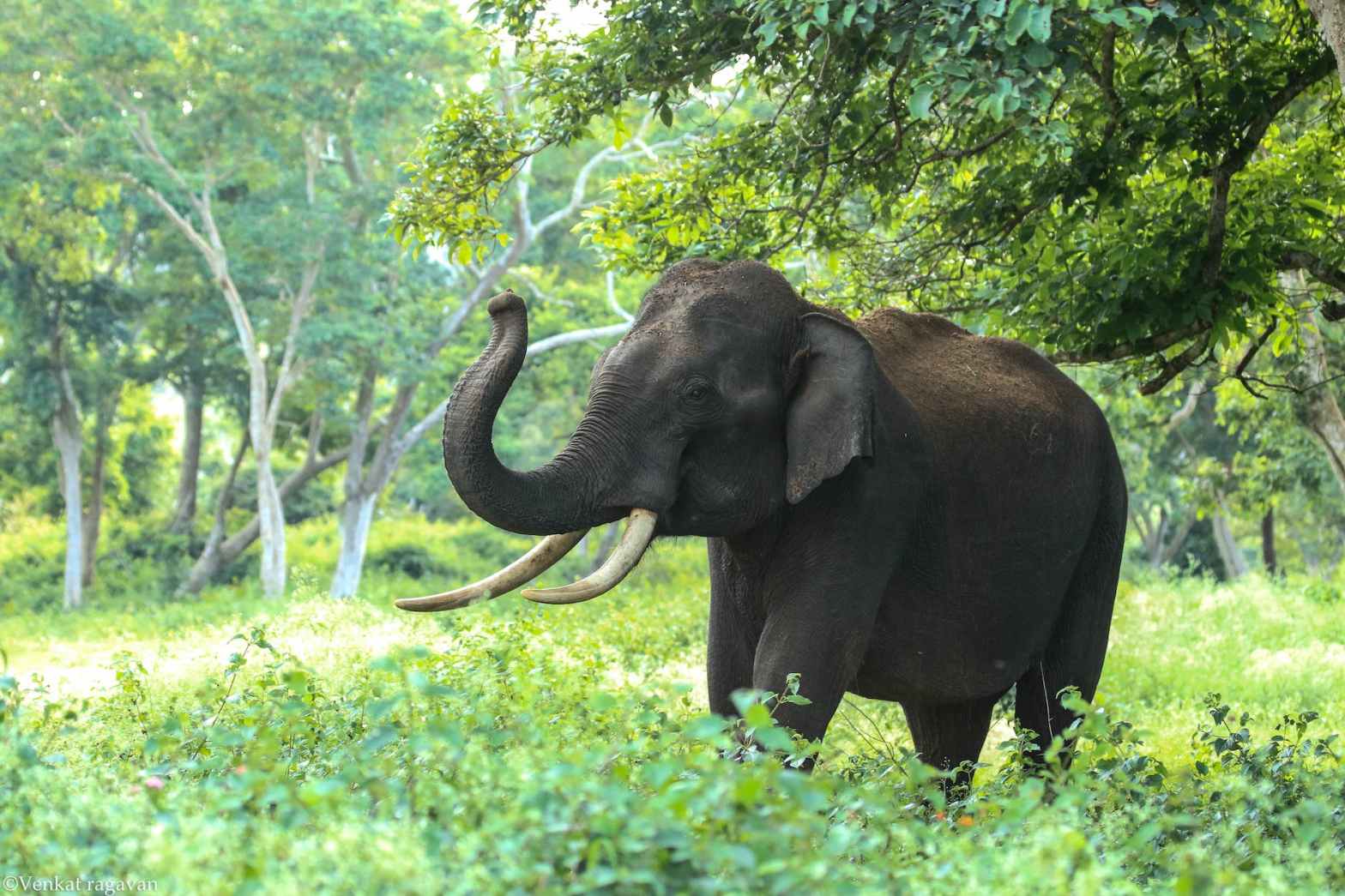
These magnificent creatures, including elephants, rhinoceroses, and bison, have a profound impact on their local ecosystems.
Their foraging behaviors, such as browsing, trampling, and seed dispersal, have far-reaching consequences for the composition and structure of forests.
The research team unearthed compelling evidence to support the notion that regions with abundant large herbivores exhibit a more diverse tree cover.
By feeding on preferred plant species, these herbivores create gaps in the forest canopy, allowing sunlight to penetrate the forest floor.
This action promotes the growth of understory vegetation, leading to a richer and more varied ecosystem.
The heightened levels of biodiversity resulting from these interactions create a dynamic habitat that supports a wider array of plant and animal species.
Furthermore, the study establishes a correlation between the presence of large herbivores and the resilience of forests in the face of disturbances such as fire and climate change.
The variability in tree cover induced by these colossal herbivores ensures the adaptability of ecosystems, enabling them to withstand environmental challenges.
This finding is of utmost importance in a rapidly changing world, where safeguarding biodiversity and promoting ecosystem resilience are paramount.
Understanding the intricate relationship between large herbivores and tree cover variability underscores the necessity of implementing comprehensive conservation strategies.
By recognizing the pivotal role played by these majestic creatures, conservationists and policymakers can devise management plans that prioritize the preservation of both the herbivore populations and the protected areas they inhabit.
The mapping of global tree cover within protected areas has yielded groundbreaking insights into the connection between large herbivores and the variability of forests.
By unraveling this hidden correlation, the research team has highlighted the instrumental role of these animals in shaping ecosystems and fostering biodiversity.
Armed with this knowledge, we are entrusted with the responsibility to redouble our efforts in safeguarding these unique habitats, maintaining the delicate balance that sustains life on our planet.
Edited by Zeng Han-Jun
Written by Juliana Rodriguez
 Terra Link Research