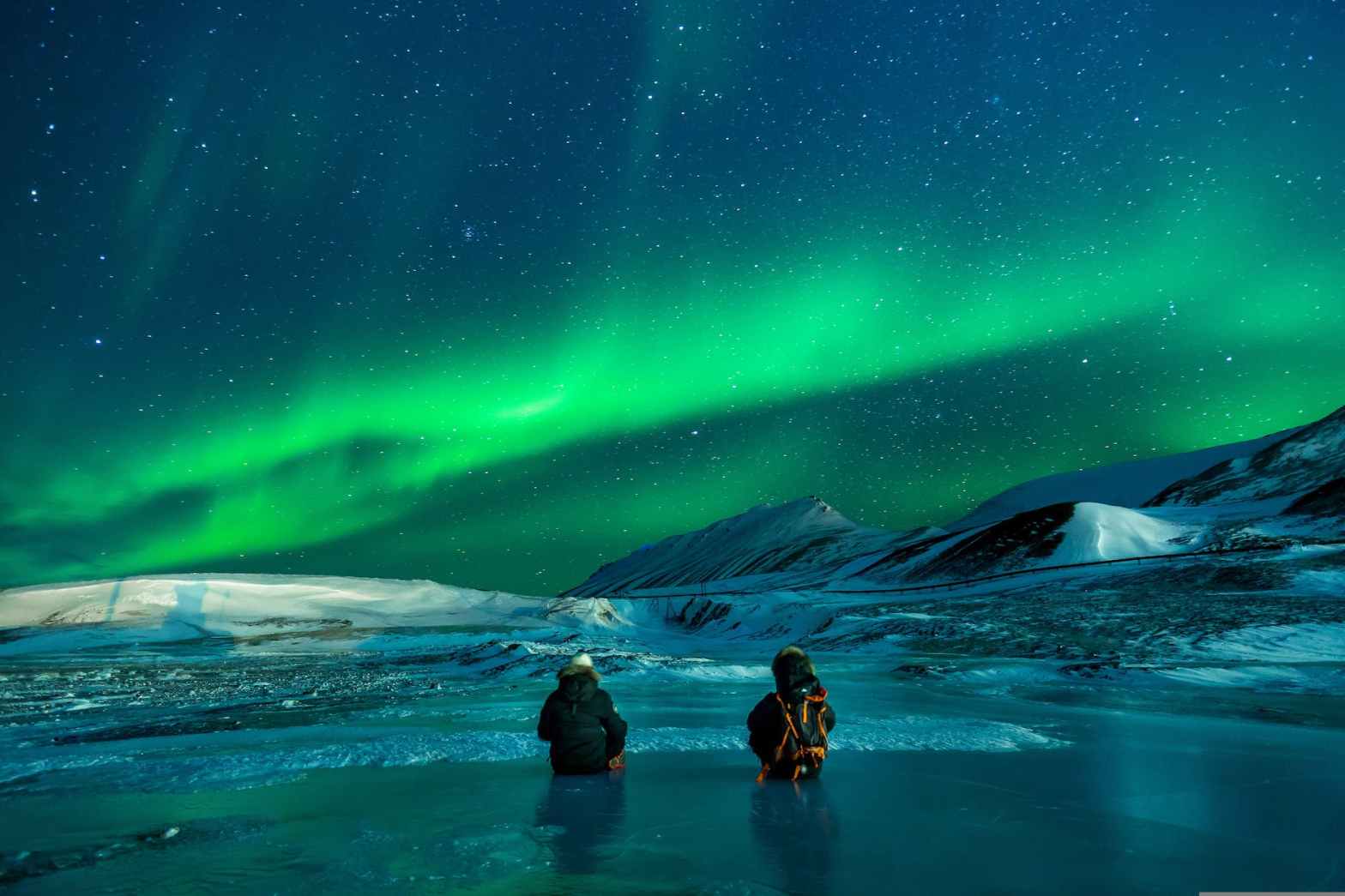
Polar ecosystems, those captivating landscapes of ice and snow in the Earth’s polar regions, are not only renowned for their breathtaking beauty but also hold immense ecological significance.
These unique habitats, which include the Arctic and Antarctic regions, are currently facing unprecedented challenges due to climate change and human activities.
It is imperative that we recognize the urgency of the situation and take concerted action to mitigate the impact of warming on polar ecosystems and sustainably manage these fragile environments.
Polar ecosystems harbor a wide range of flora, fauna, and marine species, each finely adapted to survive the harsh conditions of these extreme environments.
However, the rising temperatures resulting from climate change are causing rapid and significant changes that endanger the delicate balance of these ecosystems.
Glaciers and ice shelves are melting at an alarming rate, altering marine habitats and directly impacting species such as polar bears, penguins, and seals.
The loss of sea ice in polar regions not only affects iconic species but also disrupts entire food chains and biological processes.
Phytoplankton, the foundation of the polar food web, are dependent on sea ice for growth and reproduction. With reduced sea ice cover, we witness a decline in phytoplankton, which has a domino effect on species throughout the ecosystem.
In turn, this impacts marine mammals, fishes, and seabird populations, ultimately jeopardizing the biodiversity and ecological integrity of polar regions.
Beyond climate change, human activities further threaten polar ecosystems. Increased shipping routes, oil and gas exploration, and overfishing are exerting additional pressure on these fragile habitats.
Accidental oil spills and pollution have devastating consequences for the already vulnerable species and ecosystems in the polar regions, highlighting the urgent need for sustainable management practices and global cooperation.
Addressing the challenges faced by polar ecosystems requires a collective effort at both local and international levels.
Additionally, the establishment of protected areas and marine sanctuaries can help preserve critical habitats and support the recovery of threatened species.
Education plays a vital role in fostering a sense of responsibility and ensuring long-term conservation efforts.
By raising public awareness about the importance of polar ecosystems and the severe consequences of their degradation, we can create a wide-spread commitment to action.
Encouraging sustainable tourism practices that respect the delicate balance of polar environments and supporting scientific research in these remote regions are essential steps toward long-term preservation.
Edited by Zeng Han-Jun
Written by Juliana Rodriguez
 Terra Link Research