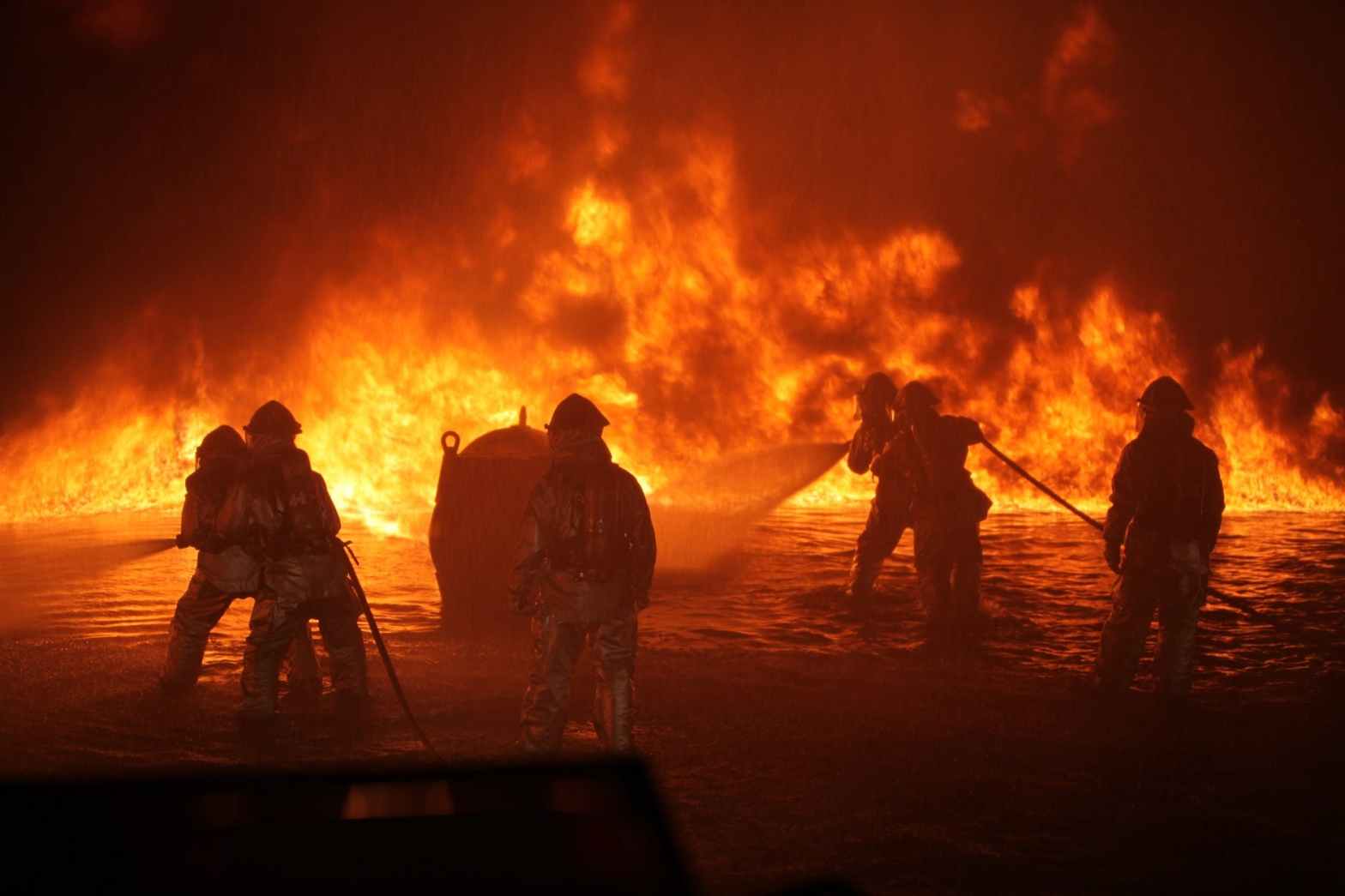
Utah’s diverse topography has long been recognized for its influence on the behavior of wildfires. Recent research has shed new light on the complex interaction between the state’s variable landscape and wildfire activity, highlighting the need for a deeper understanding of these dynamic dynamics.
The findings reveal that Utah’s multifaceted topography, which includes everything from rugged mountains to sprawling flatlands, plays a significant role in dictating the behavior of wildfires.
This variability presents a considerable challenge for wildfire management and underscores the importance of tailored strategies to mitigate the impact of these natural disasters.
Elevated areas, such as the mountainous regions, are found to exhibit distinct patterns of wildfire behavior due to factors such as elevation, slope, and vegetation density.
These areas often experience more intense and rapid wildfire spread, posing heightened risks to both the environment and communities nestled in these high-risk zones.
Conversely, the flatlands and valleys showcase their unique characteristics, including the presence of erratic wind patterns and the influence of human development, which contribute to the vulnerability of these regions to wildfire incidents.
These complexities demand a holistic approach to wildfire management, one that accounts for the diverse topography that defines Utah’s landscape.
Furthermore, the research highlights the importance of leveraging advanced technologies and predictive modeling to better anticipate the behavior of wildfires in relation to Utah’s topography.
By harnessing data-driven insights and innovative tools, authorities can proactively allocate resources and develop targeted strategies to minimize the impact of wildfires on the state’s varied terrain.
In conclusion, the intricate relationship between Utah’s topography and wildfire behavior underscores the necessity for a comprehensive and adaptive approach to wildfire management.
As Utah continues to grapple with the challenges posed by wildfires, an improved understanding of the state’s variable topography will play a pivotal role in enhancing the preparedness and resilience of communities against these natural hazards.
Edited by Zeng Han-Jun
Written by Juliana Rodriguez
 Terra Link Research