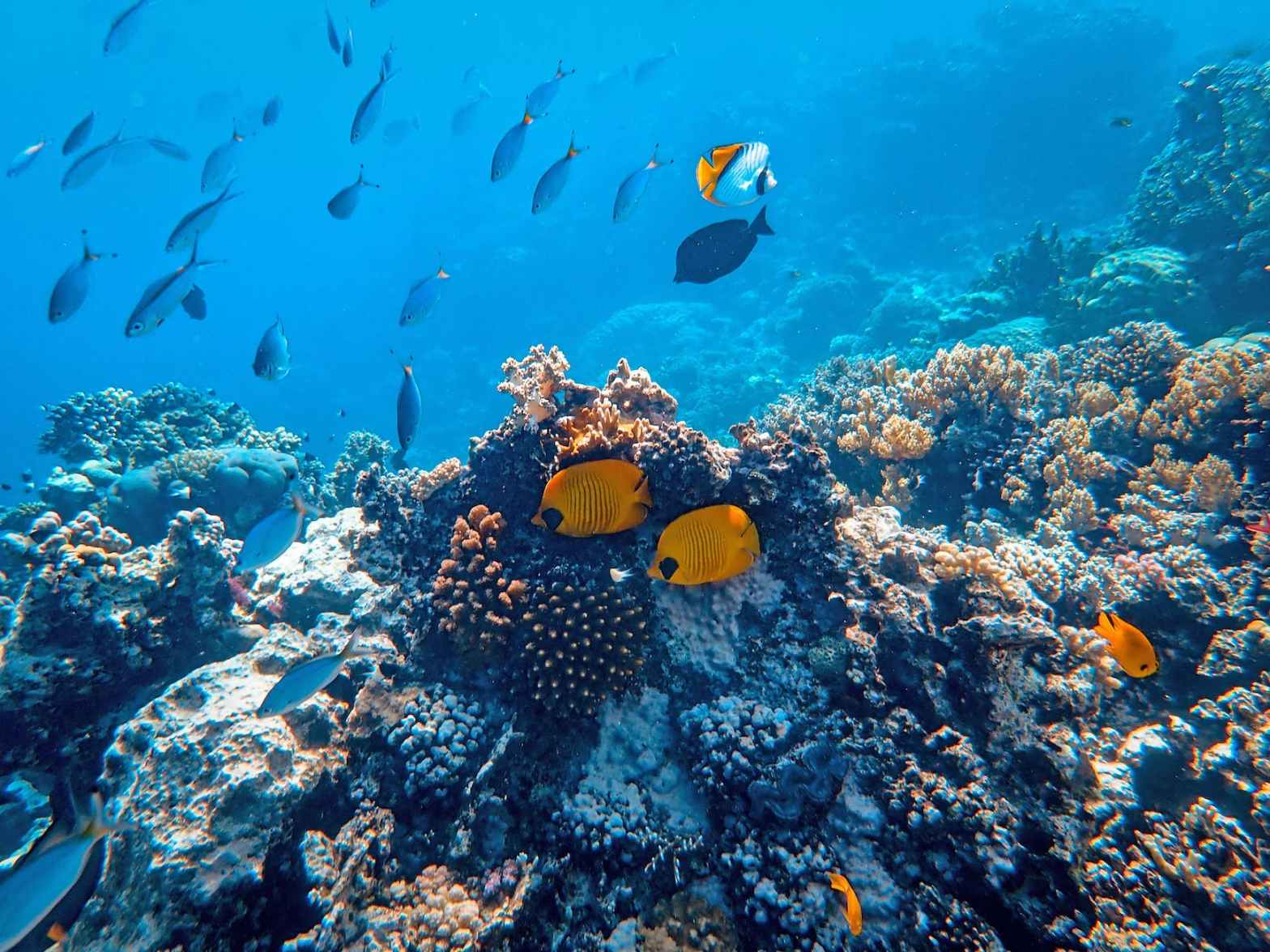
Ensuring Coral Reef Resilience: Addressing Human Impacts in the Face of Climate Change

Coral reefs, the vibrant and diverse underwater ecosystems, are under threat due to various human activities. In recent research, it has been revealed that in order to safeguard these fragile ecosystems under the pressures of climate change, mitigating local land and sea-based human impacts is crucial. We want to shed light on the significance of curbing pollutants and over-fishing, particularly along the highly populated shorelines of Hawai’i, to alleviate stress on coral reefs.

Coral reefs around the world are confronted with numerous challenges that compromise their health and resilience. Climate change-induced factors, such as rising ocean temperatures and acidification, have become well-recognized stressors. However, beneath the waves lie additional perils that are equally detrimental, if not more immediate to coral reefs’ survival.

1. Wastewater Pollution: In populated areas along Hawai’i’s shorelines, excessive wastewater pollution emerges as one of the critical culprits affecting coral reef health. Human settlements and coastal infrastructure contribute to the discharge of nutrients and other effluents, elevating the levels of nitrogen and phosphorous in surrounding waters. These pollutants weaken corals, hinder their growth, and render them more susceptible to diseases.

2. Urban Runoff: Another indirect yet harmful consequence of human habitation is the impact of urban runoff on coral reefs. Stormwater carrying sediment, chemicals, and debris flows into the ocean, significantly degrading water quality and negatively modifying the reef’s balance. Excessive sedimentation reduces the amount of sunlight reaching the corals, impeding their photosynthetic capabilities and triggering stress responses.

3. Over-Fishing: Unregulated fishing practices pose a severe threat to coral reef ecosystems. Over-fishing disrupts the delicate ecological balance, removing key species that play vital roles in maintaining reef health. Predatory fish, such as groupers and snappers, control the population of herbivorous fishes, which, in turn, prevents excessive growth of algae that can smother corals. Consequently, unchecked fishing pressure disrupts this natural balance and increases susceptibility to coral decline.

Addressing land and sea-based human impacts is a crucial step in safeguarding coral reefs against the effects of climate change. By reducing local stressors, we enhance the resilience of these ecosystems, enabling them to better withstand the challenges ahead.

1. Improve Wastewater Management: Investing in effective wastewater treatment systems and encouraging proper sewage infrastructure is vital. Implementing advanced treatment methods and enforcing stringent water quality regulations will reduce the excess nutrients introduced into surrounding waters.

2. Promote Sustainable Land Practices: Adopting ecologically sensitive land-use practices can alleviate urban runoff and sedimentation issues. Implementing green infrastructure, such as vegetative buffers and bioretention areas, can filter out pollutants and reduce the volume and velocity of runoff, thus enhancing water quality and protecting coral reefs.

3. Establish Fisheries Management: Enforcing regulations that manage fishing practices, such as size limits, seasonal closures, and protected areas, is crucial in restoring balance to the marine ecosystem. By allowing fish populations to recover and thrive, coral reefs can benefit from the ecological services they provide.

Mitigating local land and sea-based human impacts holds great promise in ensuring the long-term persistence of coral reef ecosystems, especially under the looming threat of climate change.

With the urgency of protecting these fragile underwater wonders, it is imperative that we take decisive action to reduce wastewater pollution, control urban runoff, and establish sustainable fishing practices.

Edited by Zeng Han-Jun
Written by Juliana Rodriguez

Climate-Driven Habitat Loss in the Northwest Atlantic Ocean and Gulf of Mexico for Highly Migratory Fish Predators

As our planet continues to grapple with the effects of climate change, the intricate balance of marine ecosystems faces unprecedented challenges. A recent study examining 12 species of highly migratory fish predators, including formidable creatures like sharks, tuna, marlin, and swordfish, has revealed a concerning future.

These apex predators not only play a vital role in maintaining the delicate equilibrium of our oceans but also contribute to the livelihoods of countless communities. The study warns of habitat loss and significant migrations within the Northwest Atlantic Ocean (NWA) and the Gulf of Mexico (GOM), two regions that are rapidly heating due to climate change.

The Northwest Atlantic Ocean and the Gulf of Mexico have emerged as climate change hotspots, experiencing some of the fastest rates of ocean warming on our planet. Scientists predict that by 2100, the average temperatures in these regions may rise by 1-6°C (+1-10°F).

This alarming shift can be attributed to the changing currents and increasing atmospheric greenhouse gases.

The implications of these rising temperatures are far-reaching. As the study suggests, the habitat of highly migratory fish predators is poised for substantial alteration, leading to widespread losses and the reshuffling of populations.

These predators depend on the availability of suitable habitat for breeding, feeding, and overall survival. Their dependence on specific ecosystems makes them highly vulnerable to climate change-related disruptions.

Understanding the consequences of habitat loss is critical in assessing the future prospects of marine ecosystems and the species that depend on them. The study unveils a disconcerting outlook, whereby suitable habitats for highly migratory fish predators in the NWA and GOM are anticipated to diminish over time.

As temperature gradients shift, the boundaries of these habitats will likely be redrawn, impacting the distribution of these species.

The repercussions of such habitat loss and redistribution extend beyond the predators themselves. The disruption in the food chain can trigger a domino effect, destabilizing the overall functioning of marine ecosystems. This, in turn, may negatively impact commercial fisheries, recreational activities, and global food security.

While the future may appear bleak, proactive measures can still be taken to mitigate the consequences and help these highly migratory fish predators adapt. Policymakers, conservation organizations, and stakeholders must collaborate to implement sustainable fishing practices, establish marine protected areas, and work towards reducing greenhouse gas emissions.

Additionally, long-term monitoring and scientific research are imperative in understanding the changing patterns and behaviors of these species. Equipped with such knowledge, experts can propose targeted conservation strategies to protect the habitats and migratory routes of these important predators.

Edited by Zeng Han-Jun
Written by Juliana Rodriguez

Tree-Planting Strategy to Mitigate Climate Change Faces Extremely Severe Botttlenecks

The significance of combating climate change has intensified over the years, prompting major government and private funding to be invested in innovative solutions.

One powerful tool that has gained significant attention is the large-scale planting of trees. However, recent research has brought to light a concerning bottleneck that could jeopardize these vital efforts.

It appears that tree nurseries in the United States are currently unable to meet the staggering demand for trees, both in terms of quantity and species diversity required to achieve ambitious planting and restoration goals.

Planting trees is widely regarded as an effective strategy to mitigate climate change due to their remarkable capability to absorb and store carbon dioxide.

Trees play a crucial role in offsetting greenhouse gas emissions, as they help to mitigate climate change by reducing the atmospheric concentration of CO2 and releasing oxygen.

Furthermore, forests serve as important habitats, enhance biodiversity, conserve water resources, and promote overall ecosystem health.

Despite the recognized benefits of massive tree planting initiatives, recent research indicates a significant bottleneck that warrants immediate attention.

U.S. tree nurseries are struggling to produce a sufficient number of trees and lack the necessary species diversity required to meet the expansive planting and restoration goals.

Consequently, these limitations pose a direct threat to the effectiveness and success of climate change mitigation efforts.

The shortage of trees stems from various contributing factors. Firstly, the scale of tree planting projects has increased substantially, surpassing the production capacity of existing nurseries.

An inadequate supply of young trees impedes restoration efforts, ecosystem rejuvenation, and the establishment of new forests.

Furthermore, the limited range of tree species grown in nurseries hampers efforts to create resilient and diverse ecosystems, essential for long-term climate change adaptation.

The limited availability of trees and the lack of species diversity have profound implications for climate change mitigation initiatives. Insufficient tree populations can lead to delays or even the postponement of important restoration projects.

Failure to realize ambitious planting goals could significantly impact global climate targets and the fight against climate change. Additionally, diminished tree diversity may make ecosystems more susceptible to the effects of climate change, reducing their ability to adapt and withstand future challenges.

Recognizing the significance of these concerns, it is imperative to address the tree nursery bottleneck to ensure the effectiveness of climate change mitigation efforts. Several potential solutions can be explored, such as:

1. Strengthening and expanding existing nurseries: Investments in the expansion of production facilities and infrastructure could increase the capacity to grow larger quantities of trees.

2. Encouraging private-public partnerships: Collaboration between government entities, private organizations, and nurseries can facilitate the sharing of resources, knowledge, and expertise. This alliance could boost production capabilities and promote the cultivation of a wider range of tree species.

3. Supporting research and development: Allocating funds to research institutions and nurseries can drive innovation and promote the development of new techniques for tree propagation and species diversification.

The tree nursery bottleneck poses a significant threat to ongoing efforts to combat climate change through large-scale tree planting initiatives. Urgent action is required to address this challenge and ensure the availability of an adequate quantity of trees, as well as a diverse range of species.

Edited by Zeng Han-Jun
Written by Juliana Rodriguez

Pioneering Super Capacitors for Renewable Energy Storage

Engineers have unveiled a groundbreaking achievement – the creation of a transformative ‘supercapacitor’.

Crafted from age-old, easily accessible materials like cement, water, and carbon black, this innovative device has the potential to revolutionize the storage of intermittent renewable energy sources, such as solar or wind energy.

The potency of the supercapacitor lies within its simplicity. By harkening back to ancient foundations while incorporating cutting-edge engineering, this technology has cracked the code to an affordable, highly efficient energy storage system.

Comprising of just cement, water, and carbon black, this unassuming marriage of materials possesses the power to store substantial amounts of energy when harnessed correctly.

The supercapacitor’s greatest virtue dwells in its potential to reshape the renewable energy landscape. Unlike conventional batteries, these devices empower the accumulation and controlled release of large energy quantities in a cost-effective manner.

Its remarkable efficiency provides a promising solution to the ongoing conundrum of wind and solar energy intermittency, allowing surplus energy to be stored during peak production periods and utilized during lulls or high demand.

Cement, the primary component of this supercapacitor, forms the building blocks of civilization, as evidenced by its role in constructing our cities and infrastructures.

Now its purpose extends into providing sustainable energy solutions. Together with water and carbon black, which bears a striking resemblance to powdered charcoal, these abundant materials from our ancient past hold the key to a clean future.

As the global demand for energy continues to rise, so does the urgency to develop sustainable solutions.

By tapping into ancient resources and creating economically viable storage systems, engineers have paved the way for wider adoption of renewable energy sources.

This breakthrough will not only help reduce our reliance on fossil fuels but also encourage investment and innovation in the renewable energy sector.

While the advent of the supercapacitor marks an astonishing leap forward, additional research is required to enhance its efficiency and scalability.

Engineers and scientists worldwide must collaborate to optimize this technology and ensure its seamless integration into our energy infrastructure. With continued efforts, there is no doubt that we can harness the immense potential of the supercapacitor and propel our sustainable energy ambitions to unprecedented heights.

Edited by Zeng Han-Jun
Written by Juliana Rodriguez

The Case for Planned Relocations to Tackle Rising Sea Levels and Communities in Flux

As climate change accelerates, the rising sea levels and increased threat of flooding have become pressing concerns for numerous countries worldwide. In response to this existential challenge, an increasingly controversial yet pragmatic strategy has surfaced: the relocation of vulnerable communities.

Drawing on a comprehensive analysis, we explore the notion of planned relocations as a viable blueprint for positive outcomes amidst the encroaching threat.

By exploring the potential benefits and challenges associated with this approach, we shed light on the urgent need for proactive measures to protect our communities from the perils of climate change.

1. The Implications of Rising Sea Levels:

The rising sea levels, driven primarily by global warming, pose a significant risk to coastal communities and low-lying regions. Substantial population centers, vital infrastructure, and fragile ecosystems are all in jeopardy. Without decisive action, these areas face recurring flooding, erosion, and the devastating loss of homes and livelihoods. As such, governments and policymakers are increasingly turning their attention to exploring the merits of planned community relocations as a long-term solution.

2. A Blueprint for Positive Outcomes:

A roadmap is needed for planned relocation to mitigate the impact of rising sea levels in vulnerable areas. We must examine successful case studies, to distill crucial insights into the key components necessary for positive outcomes.

2.1. Early Engagement and Collaboration:

Effective planned relocations hinge on early and inclusive engagement with affected communities. Active involvement and participation enable residents to have a voice in decision-making processes, fostering a sense of ownership and empowerment. By engaging the expertise of various stakeholders, including community leaders, policymakers, and environmental scientists, the relocation plans can be tailored to suit the unique needs and concerns of the affected population.

2.2. Equitable and Just Transition:

Safeguarding socio-economic justice during the relocation process is of paramount importance. Adequate attention must be given to ensuring access to essential services, infrastructure, and employment opportunities in the relocated areas. Balancing the preservation of local economies and cultural heritage with the necessity for adaptation is a delicate task that requires meticulous planning and coordination.

2.3. Comprehensive Infrastructure Development:

Successful relocations necessitate the development of robust infrastructure in the new sites. This includes the provision of housing, education, healthcare, and other essential amenities that are vital for the continuity of community life. Investing in sustainable and resilient infrastructure ensures that relocated communities can thrive even amidst the challenges posed by rising sea levels.

3. Challenges and Considerations:

While planned relocations offer promising solutions, they are not without obstacles. Challenges related to funding, logistical complexities, and the need for community consensus can present significant hurdles. Furthermore, addressing the emotional and psychological toll of uprooting entire communities requires careful planning and support services.

As the threat of rising sea levels looms larger with each passing day, the viability of planned relocations emerges as a compelling solution to safeguard vulnerable communities. By incorporating lessons learned from successful case studies worldwide, governments and policymakers can enact proactive measures to protect lives, preserve economies, and promote social justice.

While challenges persist, it is imperative that we collectively commit to implementing these strategies for the sake of future generations. By doing so, we can aspire to a future where communities thrive in harmony with our ever-changing environment.

Edited by Zeng Han-Jun
Written by Juliana Rodriguez

The Urgency of Protecting Endangered Plants and Lichens in the Face of Climate Change

Climate change is an undeniable reality, presenting a grave threat to our planet’s ecosystems and biodiversity. While much attention has been focused on the endangered status of iconic animals, it is equally crucial to direct our attention to the plight of endangered plants and lichens. Recent research reveals that despite their vulnerability to climate change, there is a notable lack of comprehensive plans aimed at addressing this imminent threat.

As such, we need to talk about the urgency of protecting these overlooked species and also explore potential strategies to mitigate the impact of climate change on their survival.


On paper, plants and lichens are already listed as endangered under the Endangered Species Act. Besides that, they exhibit remarkable sensitivity to climate fluctuations. These fragile organisms often inhabit distinct ecological niches and have evolved to survive within specific temperature, moisture, and soil conditions.

However, the escalating effects of climate change, including rising temperatures, altered precipitation patterns, and extreme weather events, pose a direct risk to their survival. In addition to these, we would also like to highlight the following possible threats.

Threats Faced by Endangered Species:
1. Habitat Loss: Climate change destabilizes ecosystems, leading to habitat loss and fragmentation. Many endangered plants and lichens find themselves stranded in shrinking and fragmented habitats, making them more susceptible to extinction.


2. Altered Phenological Patterns: Climate change disrupts phenological patterns, such as flowering and fruiting times, directly impacting the reproductive success of plants and lichens. This disruption cascades through the food web, putting further strain on endangered species and the ecosystems they inhabit.


3. Increased Susceptibility to Disease: Climate change weakens the defense mechanisms of plants and lichens, making them more susceptible to diseases and infestations. This vulnerability can have devastating consequences, with potential ripple effects on entire ecosystems.


The list of threats that we have explored is not exhaustive as we have yet to fully understand our Earth ecosystem and its complicated linkages among the different domains. Despite the clear and pressing risks posed by climate change, there is an alarming lack of comprehensive plans to protect these endangered plant and lichen species.

Conservation efforts have primarily focused on charismatic animals, overshadowing the critical role of these often-overlooked organisms in maintaining healthy ecosystems. It is imperative that we recognize the urgency of their protection and take immediate action. To this, we suggest some potential strategies that our readers could take into consideration.

Potential Strategies to Mitigate the Impact:
1. Strengthen Conservation Efforts: Governments, conservation organizations, and researchers must collaborate closely to develop effective conservation strategies specifically tailored to the needs of endangered plants and lichens. This includes identifying and protecting critical habitats, implementing habitat restoration projects, and facilitating captive breeding programs where applicable.


2. Promote Climate Resilience: Integrating climate change resilience into conservation efforts can help increase the chances of survival for endangered plants and lichens. This may involve identifying and selecting individuals or populations with higher adaptive capacities, implementing assisted migration strategies, and applying novel restoration techniques that account for anticipated climate-related changes.


3. Enhance Public Awareness and Engagement: Raising public awareness about the importance of protecting endangered plants and lichens is crucial for garnering support and fostering a sense of collective responsibility. Education campaigns, citizen science initiatives, and community involvement can contribute significantly to the long-term sustainability of these conservation efforts.

Even though climate change presents a grave threat to our environment. We believe that a targeted approach is useful to addressing to the plight of endangered plants and lichens. Despite their vulnerability to climate change, comprehensive plans must be developed jointly by the people, public and private sector to tackle this imminent threat.

Edited by Zeng Han-Jun
Written by Juliana Rodriguez

Unveiling the Future of Energy Conversion, Imaging Biohybrids for Enhanced Efficiency

One groundbreaking development within the renewable energy industry is the advent of biohybrids, microorganisms capable of utilizing solar energy to convert carbon dioxide into valuable chemical products.

To comprehensively comprehend their inner workings and unlock their maximum potential, a team of dedicated scientists has introduced a groundbreaking multimodal platform for imaging biohybrids.

Biohybrids represent a remarkable marriage between nature and technology. These microorganisms possess the extraordinary ability to mimic photosynthesis, tapping into the abundant solar energy that illuminates our planet every day.

By converting carbon dioxide into valuable chemical compounds, biohybrids hold tremendous promise in the realm of green chemistry and sustainable energy production.

To truly unlock the full potential of biohybrids, researchers have embarked on a quest to unravel the intricate mechanisms underlying their energy conversion processes. The multimodal imaging platform developed by these pioneering scientists stands as a vital tool in this pursuit.

This cutting-edge technology enables a comprehensive view into the inner workings of biohybrids, elucidating their structure and function at the smallest scales. By visualizing the energy conversion process in real-time, researchers can gather invaluable insights into optimizing the efficiency and productivity of these bioengineered wonders.

The multimodal imaging platform combines various state-of-the-art techniques, such as fluorescence microscopy, electron microscopy, and spectroscopy. By merging multiple imaging modalities, researchers can capture a holistic picture of the biohybrids’ structure, activity, and chemical composition.

This integrated approach provides a unparalleled understanding of the interplay between light absorption, energy transfer pathways, and chemical synthesis within these microorganisms.

The implications of this milestone in biohybrid imaging resonate beyond scientific curiosity. With a deeper understanding of biohybrids, scientists are poised to optimize their performance, enhance energy conversion efficiency, and possibly even engineer tailor-made biohybrids for specific applications.

These advancements hold promise for a more sustainable future, where carbon dioxide emissions are harnessed as a valuable resource and renewable energy sources contribute significantly to our energy portfolio.

As we venture towards a future characterized by sustainable resource utilization, biohybrids emerge as a promising development. The development of a multimodal imaging platform for these extraordinary microorganisms marks a significant step forward in unraveling the mysteries of their energy conversion abilities.

With its potential to enhance efficiency and pave the way for tailored biohybrids, this groundbreaking technology promises to revolutionize the field of sustainable energy. By harnessing the power of sunlight and advancing our understanding of nature’s intricate mechanisms, biohybrids offer a gleaming glimpse into a green future.

Edited by Zeng Han-Jun
Written by Juliana Rodriguez
The Remarkable Adaptability of Arctic Terns in the Face of Climate Change

In the vast expanse of the Arctic region, where the pristine beauty of icy landscapes meets the formidable challenges of a changing climate, certain species stand out for their remarkable abilities to endure and overcome adversity.

Among them, the Arctic tern (Sterna paradisaea) emerges as an inspirational symbol of adaptability and resilience.

Recent research has shed light on how these magnificent birds navigate the perils of climate change during their incredibly long migrations, making them truly fascinating creatures deserving of our attention.

Arctic terns are renowned for undertaking the longest migrations of any animal on Earth, covering around 44,000 miles (70,900 kilometers) round trip each year.

These agile, seabirds breed in the Arctic during the short summer, and then embark on an awe-inspiring journey to their wintering grounds in the Antarctic. Along this incredible migratory path, they face numerous hazards and challenges, ranging from treacherous storms to the scarcity of food sources.

The warming climate poses severe threats to the delicate Arctic ecosystem, impacting species in various ways. However, recent research has suggested that Arctic terns might possess an inherent adaptability that allows them to navigate these changing conditions.

Scientists have found that these birds possess a unique ability to adjust their migration routes and timing in response to changing weather patterns and altered ocean currents.

One of the key factors enabling Arctic terns to respond to climate change is their exceptional navigational skills. These birds possess an intricate internal compass, guided by the Earth’s magnetic field and celestial cues.

By constantly recalibrating their routes, Arctic terns are able to locate areas with favorable conditions, ensuring access to abundant food resources and safer breeding grounds.

Additionally, Arctic terns exhibit flexible foraging habits. They have been observed altering their diet and feeding strategies in response to shifts in the availability and distribution of their prey.

This behavioral plasticity helps them survive in the face of changing environmental conditions, demonstrating their ability to adapt to new challenges.

Understanding how Arctic terns adapt to climate change is not only fascinating but also essential for conservation efforts. By studying these remarkable birds, scientists can gain valuable insights into the impacts of climate change on other migratory species and develop strategies to mitigate its effects.

Protecting vital breeding and foraging grounds, reducing pollution, and promoting sustainable fishing practices are crucial steps in safeguarding Arctic tern populations and the fragile ecosystems they inhabit.

Edited by Zeng Han-Jun
Written by Juliana Rodriguez
Unveiling an Ancient Threat: The Potential Impact of Melting Permafrost on Human Health

In recent years, the phenomenon of melting permafrost has gained significant attention due to its far-reaching environmental implications. Beyond the visible consequences like rising sea levels and biodiversity loss, a new study has shed light on a lesser-known but potentially alarming aspect: the release of ancient pathogens.

We dive into the findings of this study, exploring the real potential for damage to microbial communities and the potential threats such pathogens might pose to human health.

Permafrost, the permanently frozen ground found in polar and sub-polar regions, acts as a natural cold storage for countless ancient microorganisms, including viruses and bacteria, that have been preserved for centuries.

However, as global temperatures rise, the permafrost is melting at an accelerated rate, unlocking this frozen time capsule and potentially unleashing ancient pathogens into the present-day environment.

The implications of releasing ancient pathogens into modern ecosystems extend beyond their direct impact on human health. As these unfamiliar microorganisms become reactivated, they have the potential to disrupt existing microbial communities, which are essential for maintaining ecological balance.

This disruption, caused by the introduction of novel pathogens, may lead to significant repercussions for both humans and ecosystems alike.

While it is vital to approach these findings with cautious concern rather than panic, researchers have identified several potential threats to human health that these ancient pathogens could pose.

For instance, as these long-dormant microorganisms become active, they may infect humans who lack immunity to ancient pathogens. Additionally, the potential for ancient antibiotic-resistant genes to be revived is a concern that could limit our ability to combat newfound diseases effectively.

Understanding the complexity of the microbial communities residing within permafrost and the risks they harbor is no small feat. Identifying and characterizing ancient pathogens requires comprehensive research, utilizing advanced techniques like metagenomics.

Through targeted investigations, scientists strive to map out potential risks and develop strategies for early detection, prevention, and mitigation.

Addressing the potential threats posed by ancient pathogens escaping from melting permafrost demands interdisciplinary collaboration.

Scientists, policymakers, and public health officials must join forces to promote knowledge-sharing, data exchange, and the development of effective response frameworks. Such collaborative efforts will enable us to stay ahead of the challenges posed by these ancient adversaries.

The study’s findings reveal a sobering reality: the melting permafrost is not only impacting the environment but also potentially unraveling ancient pathogens that pose risks to both human health and ecosystems.

By recognizing and addressing these threats proactively, we can work towards safeguarding public health, protecting vulnerable ecosystems, and ensuring a sustainable future.

Continued research, surveillance, and collaborative efforts will ultimately serve as our strongest defense in navigating this multifaceted challenge.

Edited by Zeng Han-Jun
Written by Juliana Rodriguez

Unveiling the Hidden Link between Saharan Dust Clouds and Atmospheric Methane

In scientific quest to unravel the intricate workings of our planet’s climate, the connection between natural phenomena and greenhouse gas emissions continues to astonish scientists and researchers alike.

One such enigma lies in the vast Saharan dust clouds that whisk across continents, captivating our curiosity and leaving us pondering their true influence on atmospheric methane.

In a recent groundbreaking study, scientists have explored the intricate relationship between Saharan dust clouds and methane levels, unearthing potential implications that could reshape our understanding of the global methane budget and shed light on the accelerating increase in atmospheric methane concentrations.

Saharan dust clouds, massive plumes that stretch thousands of kilometers across the Atlantic, defying borders and boundaries, are born from the hands of the powerful winds that sweep across the arid stretches of the Sahara Desert.

These clouds embark on a journey that transcends continents, casting a veil over the skies and leaving traces of their existence far beyond their initial point of origin.

Until recently, the impact of Saharan dust clouds on the Earth’s atmosphere remained largely ambiguous, with debates centered around their role in various climatic processes.

Enter a groundbreaking study conducted by a team of international researchers determined to unlock the secrets harbored within these Saharan dust clouds. By bringing together advanced atmospheric modeling, satellite observations, and on-the-ground measurements, this multidisciplinary endeavor sought to uncover the relationship between Saharan dust clouds and atmospheric methane concentrations.

The study’s findings astounded the scientific community, shedding light on a hidden link that has profound implications for our understanding of the global methane budget.

The research uncovered a crucial interaction between Saharan dust and methane in the Earth’s atmosphere. It was found that Saharan dust clouds serve as a catalyst for methane oxidation, a process that removes methane from the atmosphere.

This revelation challenges previous assumptions that focused solely on human-induced factors and natural methane sources as the culprits behind the escalating methane levels.

Scientists now suspect that Saharan dust clouds could play a substantial role in the overall methane budget, establishing a new avenue for investigation in mitigating methane emissions.

With methane being a potent greenhouse gas and a significant contributor to global warming, understanding its sources and sinks is paramount for climate researchers worldwide.

The study’s findings highlight the need to expand our perception of the methane budget by including the influence of natural phenomena such as Saharan dust clouds.

By doing so, we may gain a more comprehensive understanding of the intricate web of interactions that contribute to the delicate balance of greenhouse gas concentrations in the atmosphere.

Edited by Zeng Han-Jun
Written by Juliana Rodriguez

Design a site like this with WordPress.com
Get started