
A Luxury-Focused Approach: Reducing Carbon Emissions with Greater Equity

The issue of carbon emissions looms large. While carbon taxes have been proposed as an effective tool to reduce emissions, their blanket application fails to acknowledge the diverse origins of these emissions.

A recent analysis suggests a fresh perspective: taxing luxury carbon emissions at a higher rate. This forward-thinking approach aims to tackle inequalities, promote fairness, and effectively reduce carbon emissions. In fact, if adopted globally, this strategy could bring us closer to achieving the ambitious goals outlined in the Paris Agreement.

Carbon emissions span a wide spectrum, ranging from essential purposes like heating our homes to nonessential activities such as leisure travel. Traditionally, carbon taxes have disregarded this differentiation, applying the same rate across the board.

However, this one-size-fits-all approach often neglects the socioeconomic disparities that exist within societies. It is essential that we reimagine carbon taxation, taking into account the varying degrees of necessity and impact of different emission sources.

In light of these disparities, a groundbreaking analysis has suggested that a luxury-focused carbon tax could be a more equitable and effective solution. Rather than burdening basic necessities, this approach targets luxury activities known for their high carbon footprints.

By implementing higher carbon tax rates on luxury goods and services associated with significant emissions, we can ensure that those who contribute more to climate change bear a fairer share of the responsibility.

The study analyzed the potential impact of luxury carbon taxes across 88 countries and found compelling results. If all these nations adopted the luxury-focused policy outlined in the analysis, we could achieve a remarkable 75% reduction in emissions.

This means we would be edging closer to our collective goal of limiting climate change to well below 2°C by 2050, as set forth in the Paris Agreement.

Beyond the environmental benefits, embracing luxury carbon taxes also holds the potential to address income inequality. By shifting the burden to those who have the means to indulge in luxury activities, we can ensure that the weight of climate change mitigation doesn’t unfairly fall on already vulnerable communities. This approach fosters a sense of responsibility and promotes a more inclusive and just society.

In the fight against climate change, bold and creative strategies are essential. By shifting the focus to luxury carbon emissions, we have the opportunity to reduce inequalities, promote fairness, and make significant strides in emissions reduction. While implementing a global luxury-focused approach may require extensive discussions and partnerships, it holds immense promise for achieving both our environmental and social goals.

Edited by Zeng Han-Jun
Written by Juliana Rodriguez

Art and Data Visualization: A Powerful Combination for Climate Change Engagement

Climate change has become an increasingly urgent global issue. Scientists and researchers have made significant strides in gathering and analyzing data to better understand the impact and consequences of our changing climate.

However, effectively communicating these insights to a non-expert audience and bridging political divides remain persistent challenges. Excitingly, a new study has shed light on a novel approach that offers a promising solution – intentionally integrating art with data visualizations.

This unique combination not only allows for a more meaningful engagement with climate change but also has the potential to foster greater unity in addressing this crucial issue.

Climate change is a complex subject, often filled with scientific jargon and abstract concepts. As a result, non-experts can feel overwhelmed or disconnected from the pressing issues at hand.

However, when data visualizations are paired with art, they come alive in a way that is both accessible and engaging. By using visual elements such as vibrant colors, compelling imagery, and interactive displays, art can effectively capture attention, evoke emotions, and spark curiosity.

This dynamic integration encourages non-experts to delve deeper into the data, fostering a more personal connection and a genuine desire to understand and address climate change.

Climate change has unfortunately become a politicized issue, with differing viewpoints often hindering progress towards effective solutions.

However, art has the remarkable power to transcend political boundaries and speak to individuals across the spectrum. Data visualizations alone may not be enough to bridge these divides, as they may be perceived as impersonal or biased. Art, on the other hand, can tap into shared values, emotions, and experiences, creating a common ground for constructive conversations.

By appealing to our shared humanity, art-based data visualizations can encourage dialogue, empathy, and collaboration, ultimately leading to more effective climate change policies and actions.

The integration of art with data visualizations holds immense potential for inspiring action on climate change. By presenting the data in visually compelling and emotionally resonant ways, art can motivate individuals to advocate for change, make sustainable choices, and support policies that prioritize the environment.

The power of art lies in its ability to communicate complex ideas in accessible and relatable forms. It evokes empathy, fostering a sense of shared responsibility and a call to action.

Art-based data visualizations can amplify the impact of scientific findings, compelling both individuals and communities to take meaningful steps towards a sustainable future.

The integration of art with data visualizations opens up a new realm of possibilities for climate change engagement. Through its ability to captivate, evoke emotions, and bridge political divides, art serves as a powerful tool in delivering the urgent message of climate change to non-experts in a way that is both accessible and inspiring.

By harnessing creative mediums, we can forge a deeper connection between data, art, and individuals, igniting a collective drive towards sustainable solutions.

Edited by Zeng Han-Jun
Written by Juliana Rodriguez
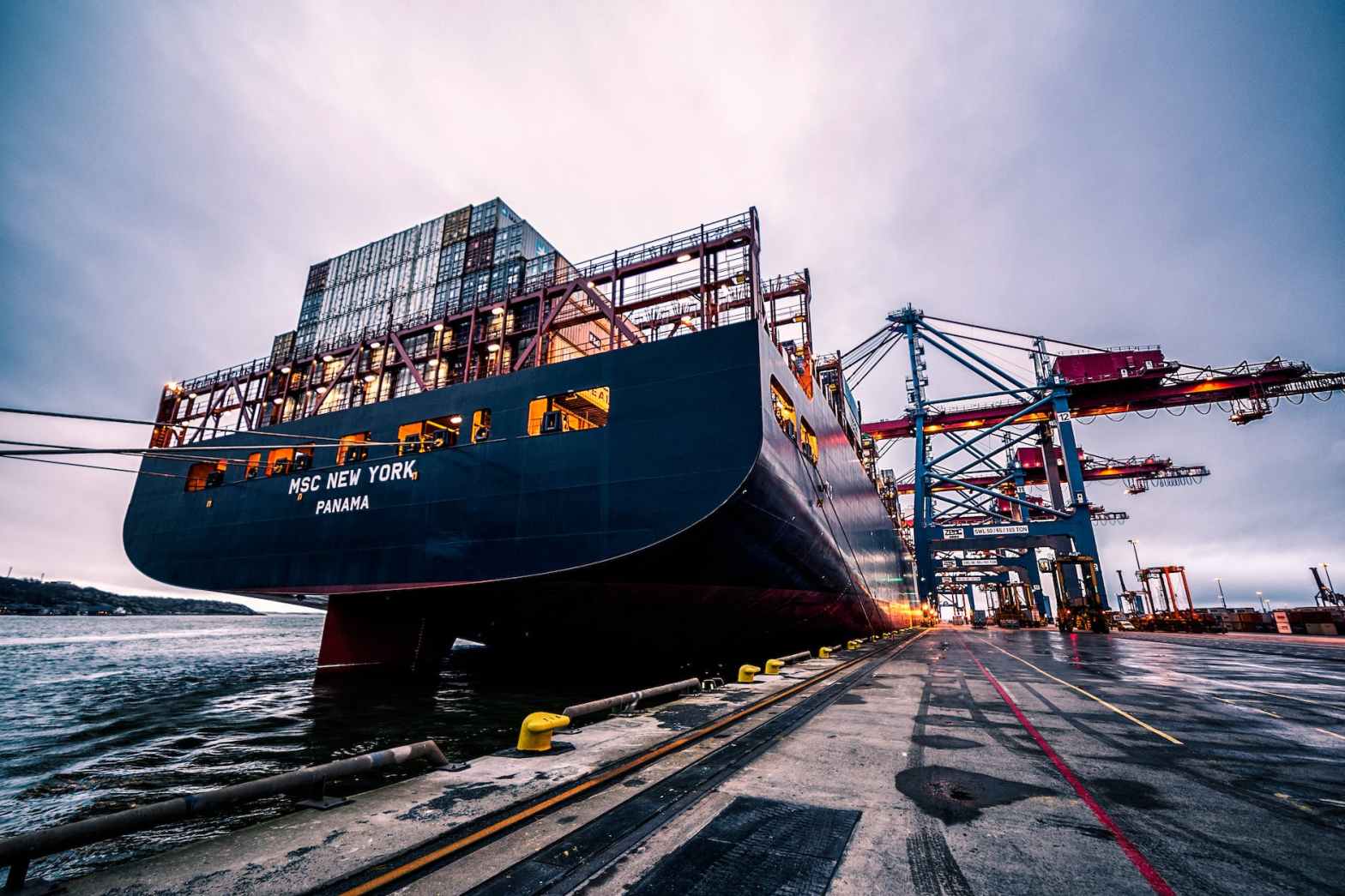
Exploring Public Preferences for Alternative Shipping Fuels: Biofuel and Hydrogen Gain Popularity

With concerns about environmental impact mounting, new research has shed light on public attitudes towards various alternative fuels for the shipping sector.

New findings have demonstrated that a significant level of public support for both biofuel and hydrogen as viable shipping fuels. Respondents exhibited enthusiasm for these alternatives, recognizing their potential to reduce emissions and contribute to a cleaner future.

Biofuel, derived from renewable sources, managed to garner favorable attention due to its ability to diminish carbon footprint and promote sustainability. Similarly, hydrogen-powered shipping was deemed ecologically promising, as it has the potential to eliminate harmful emissions entirely.

Interestingly, public preferences revealed a preference for nuclear power as opposed to the currently dominant heavy fuel oil (HFO) used in the global shipping industry. However, it is noteworthy that both nuclear and HFO were viewed negatively overall.

While HFO has long been criticized for its detrimental impact on the environment, the consideration of nuclear power as an alternative sparked mixed reactions.

Although nuclear energy offers emissions-free propulsion, concerns about safety and the potential consequences of accidents lingered in the public perception.

Contrary to the positive sentiment surrounding biofuel, hydrogen, and nuclear power, ammonia emerged with the least public support among the alternative shipping fuels examined. This outcome suggests that the general public is still somewhat skeptical about ammonia’s suitability as a viable solution for reducing emissions in the maritime industry.

Continued research and development will be necessary to address public concerns and improve the overall perception of ammonia as a potential alternative.

The new findings could help to pave the way for a more comprehensive understanding of public attitudes towards alternative shipping fuels. The overwhelming support for biofuel and hydrogen indicates growing recognition of the urgent need for sustainable and environmentally friendly options within the shipping sector.

Furthermore, the cautious preference for nuclear power highlights the potential that exists in exploring unconventional energy sources for propulsion. As for ammonia, further education and awareness initiatives may help increase its appeal in the future.

Edited by Zeng Han-Jun
Written by Juliana Rodriguez

Tackling Greenhouse Gas Emissions: Unleashing the Potential of Nitrous Oxide Reduction

Nitrous oxide, a potent greenhouse gas and ozone-depleting substance, has emerged as a target for abatement using readily available technology implemented in industrial sources.

Nitrous oxide (N2O), commonly known as laughing gas or byproduct of various industrial processes, poses a serious threat to our planet’s delicate balance. With a potent greenhouse warming effect approximately 300 times greater than carbon dioxide, it significantly contributes to global warming.

Besides this, this compound triggers the depletion of the ozone layer, leading to an increased risk of harmful ultraviolet radiation penetrating the Earth’s atmosphere.

Fortunately, researchers have found that existing technology can be harnessed to target nitrous oxide emissions at industrial sources, providing a tangible solution to reduce its ecological impact.

Existing technology primarily focuses on enhancing the efficiency of chemical reactions within industrial processes that release nitrous oxide, effectively minimizing its output into the atmosphere.

Implementing nitrous oxide reduction methods holds a myriad of benefits, both environmentally and economically. By proactively addressing this potent greenhouse gas, we can substantially slow down global warming trends, paving the way for a more sustainable future.

Furthermore, reducing nitrous oxide emissions can contribute to the protection and restoration of the ozone layer, thereby safeguarding human health and the delicate balance of ecosystems worldwide.

One of the key advantages of nitrous oxide reduction is its affordability and immediate feasibility. The technology required for abatement is readily available, ensuring that implementation can be initiated without significant delays. With the potential to abate substantial quantities of this harmful greenhouse gas, industries across various sectors can adopt these methods while continuing to operate efficiently.

Edited by Zeng Han-Jun
Written by Juliana Rodriguez

Navigating the Arctic: Unveiling the Impact of Vessel Traffic on Sea Ice

The Arctic region, with its majestic landscapes and fragile ecosystems, is undergoing remarkable changes due to the effects of climate change. As the ice diminishes, opportunities for shipping and resource exploration have increased, leading to an upturn in vessel traffic.

Understanding the timing and locations of ships entering areas of Arctic sea ice is vital for comprehending the potential impacts on the region.

The Arctic sea ice is a dynamic entity, constantly undergoing fluctuations throughout the year. Detailed monitoring of its freeze-up and breakup patterns, as well as its overall extent and thickness, provides crucial insights into the changing Arctic environment. Knowledge of these dynamics allows researchers and policymakers to assess the risks imposed by vessel traffic accurately.

Ships traversing through Arctic waters can have both direct and indirect impacts on the fragile sea ice. Direct impacts include physical interactions such as encounters with icebergs, which pose a risk to ship safety.

Additionally, vessel traffic can cause disturbances to the ice cover, potentially leading to fractures and deformation.

Furthermore, the emissions resulting from ship operations contribute to the melting of Arctic sea ice. Increased carbon dioxide and black carbon emissions exacerbate the warming effect and accelerate the ice melt, perpetuating a vicious cycle.

Understanding the frequency, routes, and emissions of ships in the Arctic provides valuable data to assess these cumulative impacts and implement mitigation measures effectively.

Tracking and monitoring vessel traffic in the Arctic has become more feasible, thanks to advancements in satellite technology and data analytics. These modern tools enable us to monitor ship movements accurately, allowing for comprehensive analysis of timing and location.

In recent years, various international organizations, governments, and research institutions have also been working together to establish comprehensive databases of vessel traffic in the Arctic. Such collaborative efforts are crucial for gaining a holistic understanding of ship activity and its relationship with sea ice dynamics.

By combining data from satellite monitoring systems, ship positioning systems, and environmental observations, researchers can paint a detailed picture of vessel traffic patterns in the Arctic.

This wealth of information provides an invaluable resource for stakeholders, policymakers, and researchers striving to make informed decisions concerning Arctic development and conservation.

The increasing presence of ships in the Arctic demands a thorough understanding of the potential impacts on sea ice and the fragile ecosystem it supports.

By comprehensively monitoring vessel traffic and utilizing advanced data analytics, stakeholders can assess the risks, develop effective regulations, and implement mitigation strategies to ensure sustainable navigation in this region.

Edited by Zeng Han-Jun
Written by Juliana Rodriguez
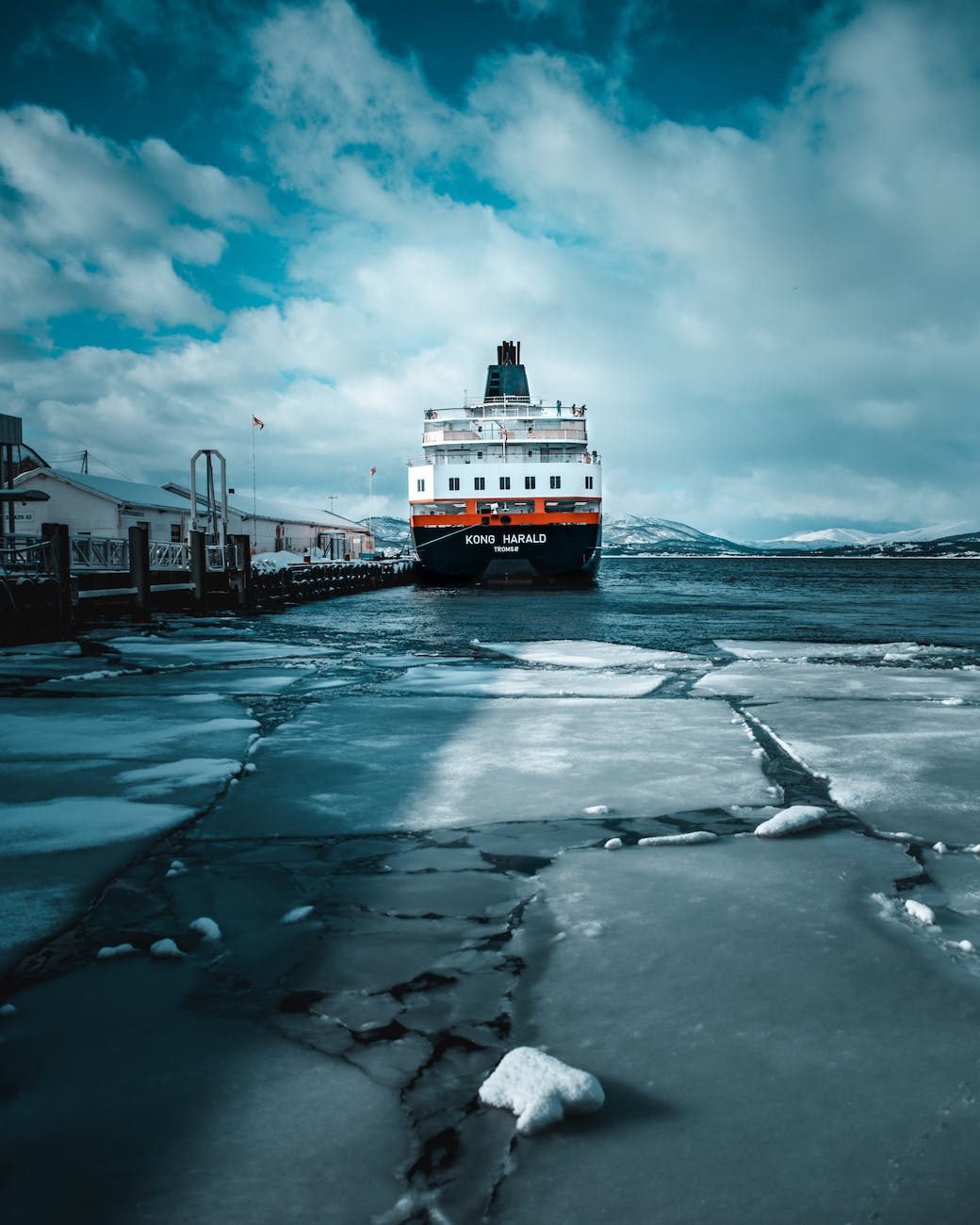
Unveiling the Strategies behind Coral Restoration: A Blueprint for Effective Reef Rehabilitation

Coral reefs, the vibrant and diverse ecosystems of our oceans, are under threat globally. As environmental stressors like climate change and human activities continue to impair their health, innovative strategies for coral restoration have become paramount.

In the pursuit of preserving these invaluable ecosystems, an international team of researchers has developed a groundbreaking approach for selecting key coral species that will optimize reef health and functionality.

Through their hedging approach, restoration practitioners now have a simple yet powerful framework to guide them in choosing target species for their projects, tailored to specific spatial scales and available resources.

The newly devised hedging approach offers restoration practitioners a systematic methodology to identify and prioritize coral species that contribute to the maintenance of critical ecosystem functions. It takes into consideration the spatial scale, resources, and ecological conditions of the restoration site, ensuring maximum efficiency and success.

At the heart of this approach lies a thorough evaluation of coral species based on their functional traits, adaptability to changing environmental conditions, and capacity to perform essential ecosystem services.

By identifying and selecting key coral species that possess these attributes, restoration efforts can address crucial aspects such as habitat complexity, biodiversity, and nutrient cycling, fostering the long-term resilience of coral reefs.

Recognizing the unique characteristics of each restoration site is key to the hedging approach. Different spatial scales demand varying strategies for selecting and prioritizing target species.

For larger-scale restoration projects, focusing on keystone species that have a disproportionately high impact on reef health can create a ripple effect, promoting the recovery of multiple ecological functions.

On the other hand, smaller-scale projects with limited resources may benefit from diversifying the target species selection, thereby enhancing the overall stability and resilience of the restored reef.

By thoughtfully tailoring the selection process to the specific spatial scale, restoration practitioners can optimize outcomes while maximizing efficiency.

The availability of resources often plays a crucial role in determining the feasibility and success of coral restoration projects. The hedging approach acknowledges this challenge and provides a valuable framework for practitioners to navigate resource constraints.

By incorporating the concept of “coral portfolios,” restoration practitioners can diversify their chosen species based on their ecological traits and resource requirements.

This innovative methodology allows for adaptable strategies, allowing project managers to make the most of the available resources while ensuring the desired ecological functions are fulfilled.

The groundbreaking hedging approach developed by the international team of researchers offers an invaluable contribution to the field of coral restoration.

By providing restoration practitioners with a simple yet effective framework for selecting target species based on spatial scale and available resources, this strategy has the potential to revolutionize reef rehabilitation efforts worldwide.

Edited by Zeng Han-Jun
Written by Juliana Rodriguez

Weather-proofing Carbon Emission Reductions: Unlocking a Strategy for the Shipping Sector

In recent times, the shipping industry has made commendable strides towards reducing its carbon emissions. However, the random and unpredictable nature of weather conditions continues to pose a significant challenge to these efforts.

Recognizing the gravity of this issue, researchers have identified a groundbreaking strategy that promises to overcome this obstacle and advance the cause of carbon emission reduction in the shipping sector.

Weather conditions play a crucial role in determining the efficiency and pace of shipping operations. However, the impact of adverse weather on carbon emissions has often gone unnoticed.

Strong winds, heavy rain, rough waves, and other weather-induced variables can disrupt schedules and force ships to detour or significantly slow down, thereby increasing fuel consumption and subsequently escalating carbon emissions.

To counter these weather-related setbacks, researchers are proposing a pioneering strategy: predictive weather analysis coupled with route optimization.

By utilizing advanced weather forecasting models and state-of-the-art algorithms, shipping companies can proactively identify periods of inclement weather and plan optimized routes that minimize fuel consumption and carbon emissions. This strategy aims to strike a delicate balance between meeting time-sensitive delivery schedules and reducing the industry’s carbon footprint.

Recent developments in weather prediction technology, such as high-resolution numerical weather models and real-time satellite data, provide new opportunities for shipping companies to accurately forecast weather conditions along their planned routes.

By harnessing this information, ship operators can modify routes to avoid severe weather conditions, thereby saving fuel and reducing carbon emissions.

However, merely receiving accurate weather information is not enough; shipping companies must also employ sophisticated algorithms for route optimization. By integrating weather data with vessel-specific characteristics, such as speed, draft, and cargo capacity, route optimization algorithms can determine the most fuel-efficient path while factoring in prevailing weather conditions.

This intelligent navigation ensures that ships can avoid unnecessary fuel consumption and reduce their overall carbon footprint.

Implementing this strategy offers numerous tangible benefits to the shipping industry. Firstly, it reduces the sector’s reliance on unpredictable weather patterns, insulating carbon emission reduction efforts from unexpected setbacks. Secondly, cutting down fuel consumption leads to substantial cost savings for shipping companies, enhancing their economic sustainability.

Lastly, by actively addressing weather-related emissions, the industry will strengthen its commitment to combating climate change, fostering a positive reputation and establishing itself as a responsible ecological contributor.

The ongoing battle to reduce carbon emissions in the shipping sector faces a formidable foe in the form of unpredictable weather conditions.

However, with the advent of advanced weather forecasting models and the sophisticated algorithms governing route optimization, the industry can weather-proof its carbon reduction efforts. By systematically integrating predictive weather analysis and intelligent navigation, shipping companies can minimize fuel consumption, streamline operations, and make substantial progress in curtailing their carbon emissions.

Edited by Zeng Han-Jun
Written by Juliana Rodriguez
Drought’s Impacts on Painted Turtles: A Perilous Situation Revealed

The delicate balance of nature is being affected by the changing climate patterns, particularly the increasing frequency and intensity of droughts. In recent years, the survival and population dynamics of freshwater-dwelling reptiles, such as the iconic painted turtles, have been significantly influenced. A comprehensive analysis of 11 years of data collected by a dedicated group of more than 50 undergraduate researchers has shed light on the alarming consequences of drought on these remarkable creatures.

The research findings reveal a troubling correlation between drought and the survival odds of painted turtles. Despite a consistent water level in a sampled pond in southwestern Nebraska, the observed periods of drought negatively impacted their chances of survival. These creatures, known for their remarkable adaptations and resilience, faced an unprecedented challenge as drought conditions persistently threatened their survival.

Not only do droughts compromise the survival rates of painted turtles, but they also significantly affect their growth. The data collected by the undergraduates showcased a direct link between drought and stunted growth in these reptiles. With limited access to resources essential for their growth, the turtles faced developmental obstacles that impacted their overall health and reproductive capabilities.

Perhaps one of the most alarming discoveries is the effect of droughts on the ratio of female-to-male painted turtles. The studies based on the collected data vividly illustrate that extended periods of drought can skew the gender ratios in turtle populations. As the gender of painted turtles is determined by the temperature at which their eggs are incubated, higher temperatures resulting from drought conditions can lead to an imbalanced population structure. Significantly more females being born compared to males can have severe implications for the future survival and genetic diversity of these magnificent creatures.

The findings of these studies emphasize the pressing need for effective conservation measures to protect the painted turtle populations and their freshwater counterparts. The implications of rising droughts on these reptiles highlight the urgency in addressing climate change and its detrimental consequences. It is crucial that governments, environmental organizations, and communities work together to mitigate and adapt to climate change impacts, safeguarding the habitats of these species for future generations.

The 11 years of data collected by dedicated undergraduate researchers have revealed the distressing effects of drought on painted turtles and similar freshwater-dwelling reptiles in the Cornhusker State. These findings underscore the importance of recognizing the profound impacts of climate change on ecosystems and prompt us to take immediate action. To ensure the survival and well-being of these remarkable creatures, comprehensive conservation strategies and efforts to combat climate change must be implemented.

Edited by Zeng Han-Jun
Written by Juliana Rodriguez

Ocean Oxygen Levels Offer Encouraging Insights for a Warmer Future

As our world continues to grapple with the pressing issue of global warming, concerns surrounding the health of Earth’s oceans have never been more prominent. However, amidst the challenges we face, a recent study analyzing ocean sediment sheds a ray of hope on the potential resilience of our seas. Delving into the fascinating realm of oxygen levels in Earth’s oceans, we uncover intriguing findings from the Miocene warm period, offering valuable insights into the sea’s response to a hotter planet.

The Miocene warm period, estimated to have occurred approximately 16 million years ago, provides a crucial reference point for understanding Earth’s ancient climate dynamics. During this period, the Earth experienced higher temperatures than what we observe today. Through meticulous analysis of ocean sediment, scientists have uncovered a surprising fact – oxygen levels in a key area of the ocean were notably higher during this distant era.

The significance of these findings lies in the potential implications they may hold for our present-day concerns about the state of the oceans. This remarkable discovery challenges the paradigm that warmer temperatures inevitably lead to a decline in oxygen levels, which has been a major concern in the context of global warming. Instead, it suggests that the dynamic nature of Earth’s oceans allows them to adapt and potentially even thrive in the face of a warmer world.

To comprehend the link between ocean oxygen levels and a warmer planet, we must delve into the intricate mechanisms at play. As temperatures rise, certain processes such as thermal stratification and reduced water circulation can contribute to declining oxygen levels. Consequently, this can have detrimental effects on marine life, leading to hypoxic or anoxic conditions in oceanic regions. However, the discoveries from the Miocene warm period offer hope, hinting at the existence of inherent buffers within our oceans that can counteract these negative impacts.

While the study of the Miocene warm period’s ocean oxygen levels opens a window into the adaptability of our oceans, caution must be exercised in drawing direct parallels to our current situation. Earth’s climate is navigating uncharted territory, with anthropogenic influences posing unprecedented challenges. Nevertheless, these findings ignite curiosity and justify further investigations into similar mechanisms that can provide insight into future climate scenarios.

The analysis of ocean oxygen levels serves as a reminder of the astounding capacity of our natural systems to evolve and adapt. It emphasizes the importance of holistic approaches to mitigate climate change and protect the fragile balance of our oceans. As we acknowledge these findings with cautious optimism, it becomes imperative to redouble our efforts in reducing greenhouse gas emissions, supporting sustainable practices, and conserving marine ecosystems.

The analysis of ocean oxygen levels during the Miocene warm period breathes new life into discussions surrounding the resilience of Earth’s oceans in the face of global warming. As we navigate the complexities of climate change, these findings offer a glimmer of hope, urging us to delve deeper into understanding the mechanisms safeguarding our oceans.

Edited by Zeng Han-Jun
Written by Juliana Rodriguez
Embracing the Circular Economy: Unlocking the Potential of Science

In recent years, the global discourse has increasingly centered around the urgent need to transition towards a more sustainable and circular economy. This paradigm shift requires the active involvement of governments and businesses alike; however, a new report sheds light on a crucial missing link that holds the potential to accelerate this transformation even further: the direct engagement of scientists. By bridging the gap between scientific knowledge and the practical implementation of circular strategies, we can unlock innovative solutions and propel the transition towards a sustainable future.

The Value of Scientists in the Circular Economy:
The circular economy presents a distinct departure from the traditional linear model of production and consumption. Through its principles of reducing waste, recycling, and regenerating resources, this approach offers a promising path towards minimizing environmental impact and creating a more resilient economic system. To comprehensively tackle the complexities of implementing circularity, governments and companies must recognize the indispensable role of scientists.

1. Scientific Expertise and Informed Decision Making:
Scientists possess invaluable expertise in a wide array of disciplines, enabling them to provide evidence-based solutions and assess the feasibility and potential impact of circular initiatives. Their in-depth understanding of complex ecosystems, material science, and technological advancements can help ensure that decisions are grounded in scientific rigor and contribute to long-term sustainability.

2. Driving Innovation and New Technologies:
Scientists are at the forefront of innovation, constantly pushing the boundaries of knowledge and technology. Their involvement in circular economy planning can help spur the development of novel solutions, such as advanced recycling technologies, sustainable materials, and renewable energy sources. By collaborating with scientists, governments and companies can tap into a vast pool of creative ideas and unlock transformative breakthroughs.

3. Enhancing Cross-Sector Collaboration:
The circular economy requires collaboration across multiple sectors, including academia, industry, and policy-making. Scientists act as a bridge, facilitating communication and fostering interdisciplinary partnerships. Their participation can facilitate the exchange of knowledge, encourage dialogue, and ensure that the circular economy approach is comprehensive, scalable, and hinged upon collective expertise.

Recognizing the Gap and Taking Action:
The report highlighting the need for greater involvement of scientists in circular economy endeavors serves as a call to action. Governments and companies should take proactive steps to collaborate with scientific institutions, research organizations, and experts to embed scientific knowledge at the core of their circular economy strategies.

1. Establishing Partnerships:
Governments and companies should proactively seek partnerships and collaborations with scientific institutions and research organizations. By creating platforms for direct engagement, such as joint research projects and advisory panels, stakeholders can harness scientific expertise throughout the decision-making process.

2. Creating Supportive Policies and Funding:
To incentivize scientist engagement, governments need to adopt supportive policies and allocate adequate funding for research and development within the circular economy domain. This approach will encourage scientists to direct their expertise toward finding sustainable solutions and accelerate the transition towards a circular economic model.

3. Encouraging Education and Outreach:
Enhanced collaboration between scientists and non-scientific stakeholders can be reinforced through educational initiatives and public outreach efforts. Governments and companies should invest in awareness campaigns, workshops, and training programs to foster mutual understanding and facilitate knowledge exchange between scientific and non-scientific communities.

In the pursuit of a circular economy, governments and companies hold the key to change, but we must not overlook the invaluable contribution of scientists. By proactively involving scientific expertise, we can harness cutting-edge knowledge, drive innovation, and develop practical solutions that bolster the successful implementation of circular strategies. Embracing collaboration between scientists, policymakers, and industry leaders will prove pivotal in shaping a sustainable and resilient future for generations to come.

Edited by Zeng Han-Jun
Written by Juliana Rodriguez

Design a site like this with WordPress.com
Get started