Exploring a Game-Changer: Transforming Diluted Gases into High-Purity CO2 with Cutting-Edge Carbon Capture Technology

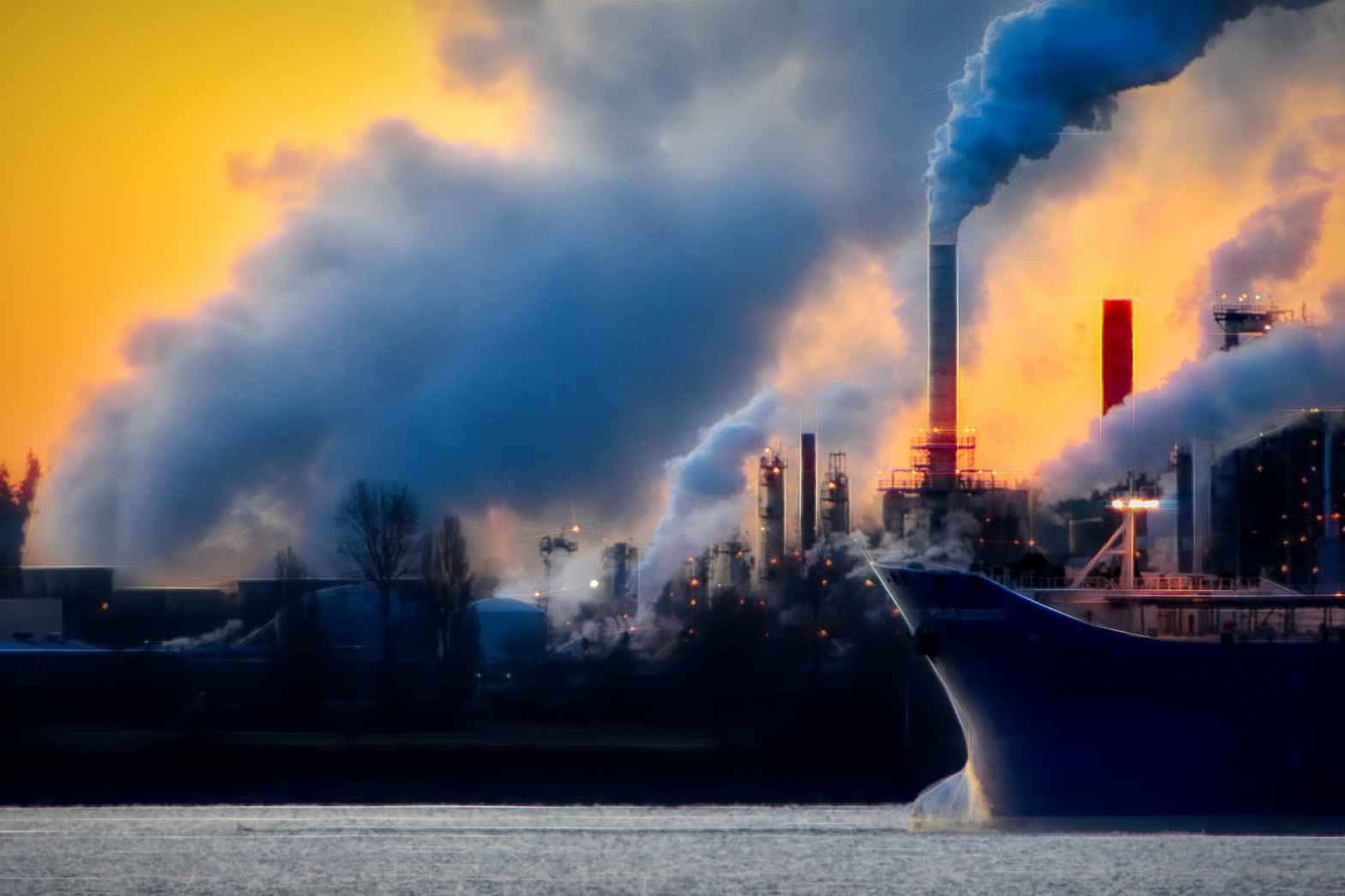
In the quest for sustainable solutions to combat greenhouse gas emissions and address climate change, revolutionary developments are constantly pushing the boundaries of what seems possible.

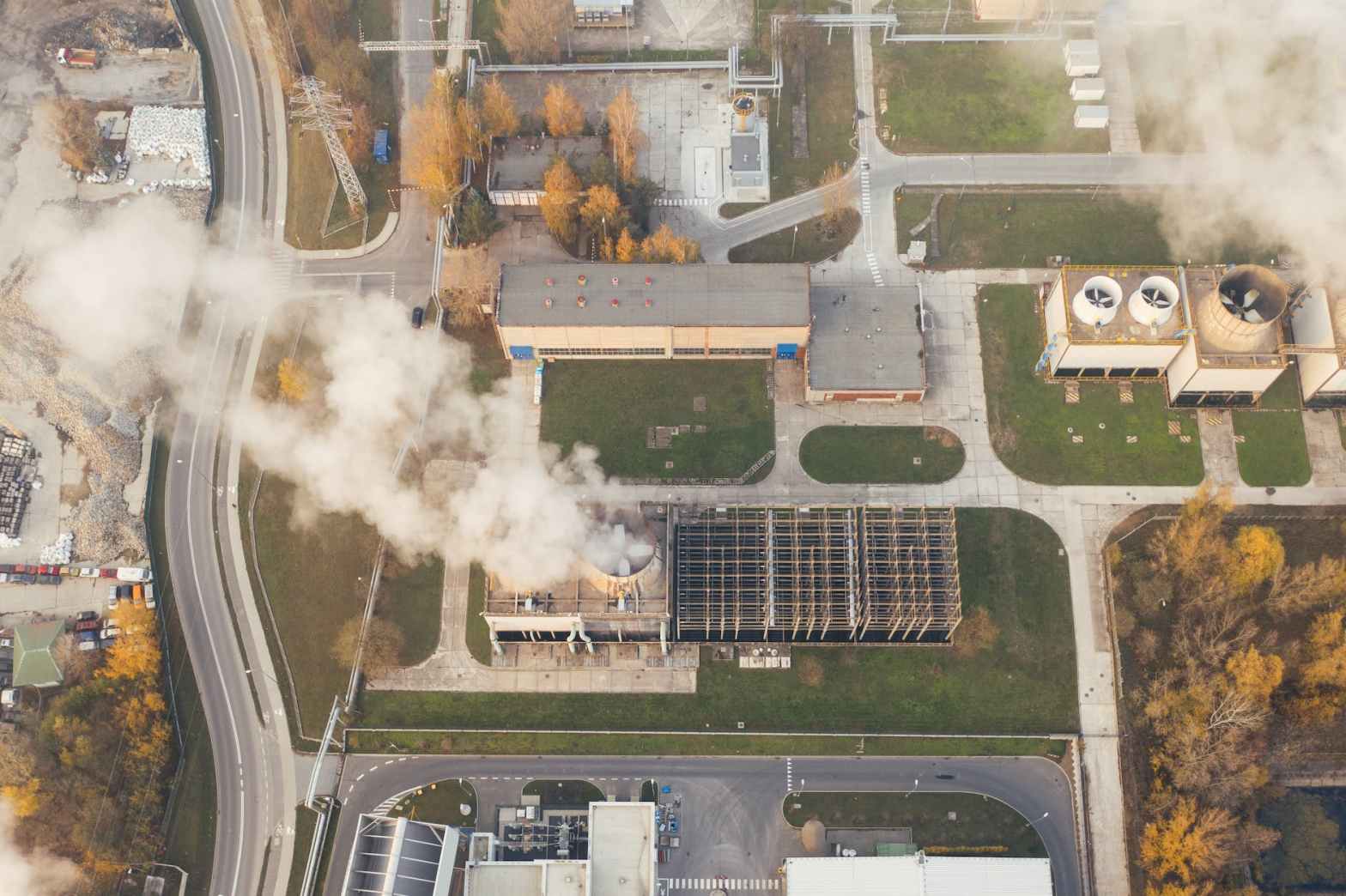
Among these breakthroughs is an innovative carbon capture technology that has the potential to revolutionize the way we approach CO2 capture and utilization.

Carbon capture technology has long been recognized as a pivotal tool in mitigating the environmental impact of industrial processes that contribute to global carbon emissions. Traditional methods have often relied on expensive and energy-intensive processes to capture dilute CO2 streams, hindering widespread adoption.

However, recent advancements have introduced an ingenious solution that circumvents these limitations. By leveraging electricity and a water-and-oxygen-based reaction process, this cutting-edge technology can efficiently capture and concentrate carbon dioxide from low-concentration gas streams. This breakthrough opens up a universe of possibilities by rendering the capturing process more economically viable and environmentally friendly.

The implications of this carbon capture technology are far-reaching, offering a multitude of potential applications across various sectors. With the ability to transform previously unusable or inefficiently captured CO2 streams into high-purity outputs, industries can seize a new frontier of sustainable practices.

Electricity becomes the driving force behind this groundbreaking technology, eliminating the reliance on cumbersome mechanical systems and reducing the energy expenditure traditionally associated with carbon capture processes. This not only makes the technology more accessible but also highly adaptable to industrial settings.

Besides mitigating the environmental impact of carbon emissions, the obtained high-purity carbon dioxide can also be harnessed for diverse purposes. Industries ranging from beverage manufacturing to greenhouses can utilize this stream as a valuable resource, finding intrinsic value in the production of carbonated beverages or enhancing plant growth through controlled enrichment of CO2 levels.

As sustainability continues to shape global agendas, the emergence of this new carbon capture technology heralds a pivotal step towards a greener future. By revolutionizing the efficiency and accessibility of capturing and utilizing CO2, industries have an opportunity to reduce their carbon footprints while simultaneously unlocking new avenues for sustainability.

The continuous improvement and optimization of this technology hold the potential to significantly contribute to ambitious emission reduction targets. Governments, research institutions, and industrial entities must collaborate to streamline its adoption, allowing for rapid implementation of this game-changing innovation.

With an electrifying blend of electricity, water, and oxygen, the realm of carbon capture undergoes a transformative wave of possibilities. This revolutionary technology, capable of generating a continuous, high-purity carbon dioxide stream from diluted gas streams, offers genuine hope in the fight against climate change.

Edited by Zeng Han-Jun
Written by Juliana Rodriguez

How Rising Temperatures Could Heighten Extreme Rainfall Events in Mountainous Regions

In recent years, the ramifications of climate change have become increasingly apparent, altering our global landscapes and ecosystems. One significant impact of rising temperatures is the transformation of snowfall in mountainous regions into heavy rainfall.

A groundbreaking new study reveals that these shifts could substantially contribute to extreme rainfall events, ultimately posing a threat to millions of people residing in the Northern Hemisphere’s mountains.

According to researchers, as global temperatures continue to rise, snow accumulation in mountainous areas is diminishing while rainfall is on the rise. This shift from snow to rain has significant implications, particularly regarding the occurrence of extreme rainfall events in the Northern Hemisphere’s mountainous regions. The study suggests that if adequate measures are not taken, approximately a quarter of the world’s population could be at risk of experiencing floods and landslides due to these intensified precipitation patterns.

To comprehend the mechanics behind this emerging phenomenon, it is crucial to grasp the connection between global warming and altered precipitation patterns. Human-induced climate change has resulted in higher temperatures, causing the melting of snowpacks at an accelerated pace. As a result, the subsequent runoff leads to increased water flow downstream, significantly amplifying the likelihood of heavy rainfall events.

Mountainous regions across the Northern Hemisphere have emerged as hotspots for extreme rainfall events triggered by this transition from snow to rain. The unique topography of mountains, combined with the altered precipitation patterns, creates a perfect storm that can unleash catastrophic outcomes. The excess rainfall poses a dual menace: the propensity for destructive flooding and the triggering of landslides due to compromised soil stability.

Undoubtedly, the potential consequences of these intensified rainfall events should not be underestimated. With approximately a quarter of the world’s population residing in these vulnerable regions, the risk of floods and landslides becomes a pressing concern. Widespread destruction of infrastructure, displacement of communities, and loss of lives could become an unfortunate reality if proactive measures are not implemented promptly.

To mitigate the potential devastation caused by extreme rainfall events, concerted efforts need to be made on multiple fronts. Enhancing infrastructure resilience, implementing early warning systems, and prioritizing land-use planning are essential measures that can help save lives and protect communities. Fostering sustainable practices to combat climate change and reduce greenhouse gas emissions is crucial in curbing the root causes of these weather shifts.

The implications of rising global temperatures extend far beyond mere thermometers. As the changing climate transforms snow to rain, mountainous regions in the Northern Hemisphere face a heightened risk of extreme rainfall events. The study’s findings underscore the urgent need for proactive measures and collective action to safeguard vulnerable communities from the potential onslaught of floods and landslides.

Edited by Zeng Han-Jun
Written by Juliana Rodriguez
The Northeastward Migration of European Bird Communities: Adapting to a Changing Climate

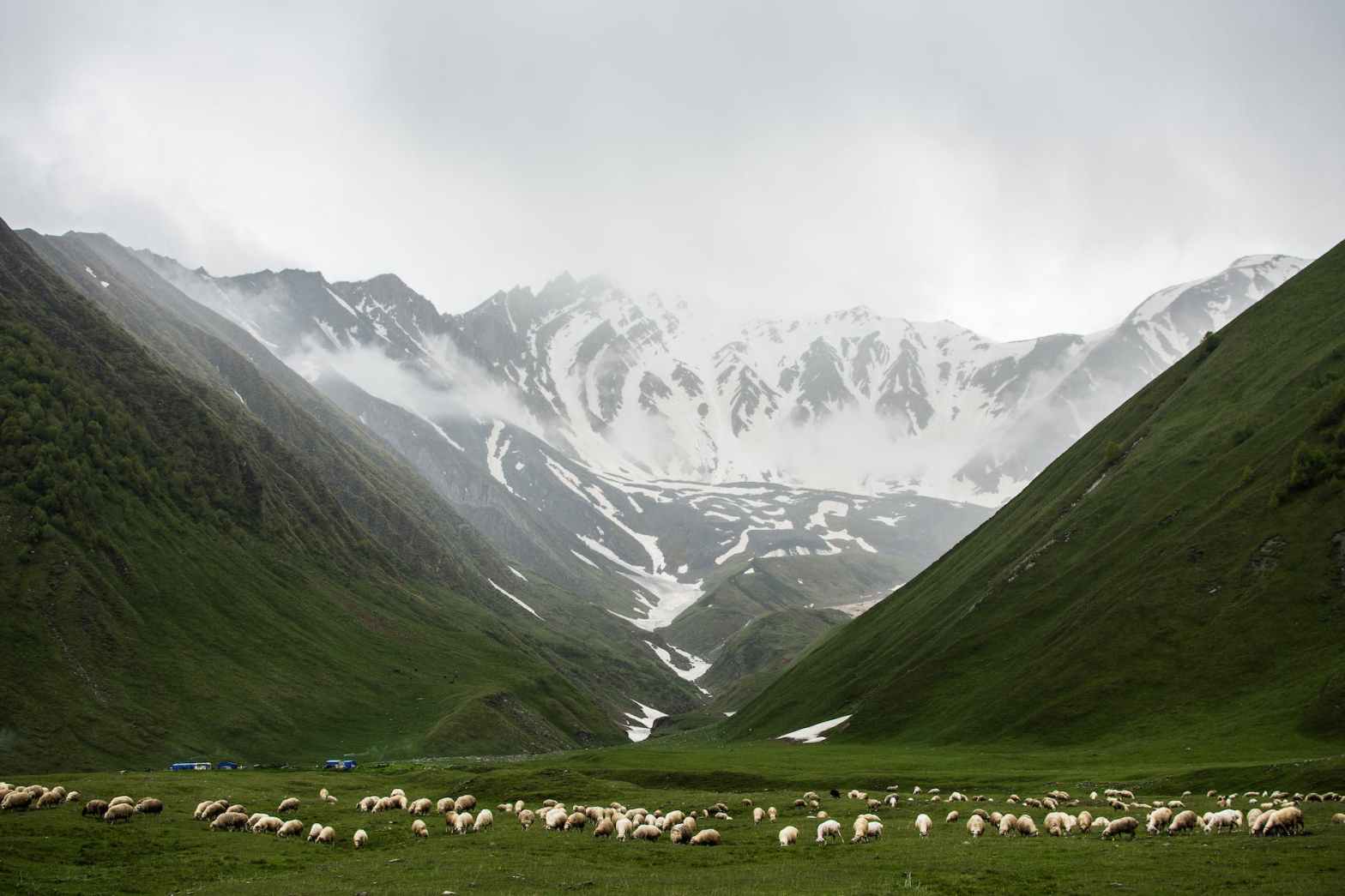
In a world grappling with the consequences of climate change, the impact on wildlife and ecosystems remains a critical concern. Recent research has shed light on an intriguing phenomenon: the northeastward shift of European bird communities over the past three decades. As these avian populations strive to adapt to changing climatic conditions, they encounter both natural obstacles and the challenge of keeping pace with rapidly rising temperatures.

European bird communities have embarked on a remarkable journey in response to the changing climate. A comprehensive study conducted over a thirty-year period reveals a consistent pattern of movement towards northeastern regions. This migration trend is predominantly driven by the search for cooler habitats, enabling birds to thrive in more favorable environmental conditions.

However, this migration comes with its fair share of challenges. Mountain ranges, coastlines, and other geographical features act as formidable deterrents for bird communities attempting to establish themselves in new territories. These natural barriers can impede the optimal movement of species and limit their ability to access suitable habitats. As a result, the northeastward shift may be hindered, potentially impacting the long-term survival of bird populations.

While European bird communities strive to relocate to cooler areas, the underlying issue remains the pace at which global temperatures continue to rise. The shift towards higher latitudes is not occurring rapidly enough to keep up with the escalating heat. As a consequence, avian species face the threat of lagging behind optimal climatic conditions, thereby risking their survival and reproductive success.

The northeastward migration of European bird communities carries significant ecological implications. Birds play a crucial role as indicators of environmental change, and their movement provides insights into the broader impact of climate change on ecosystems. The altered distribution of avian populations can disrupt established food chains, affect pollination patterns, and ultimately influence biodiversity dynamics.

Recognizing the importance of preserving bird diversity, it is crucial to implement effective conservation and adaptation strategies. Protecting and enhancing suitable habitats along the northeastward migratory path can aid avian populations in overcoming physical barriers. Establishing and connecting wildlife corridors can facilitate the movement of species, allowing them to navigate mountains and coastlines more effectively.

Furthermore, emphasizing the reduction of greenhouse gas emissions and mitigating climate change should remain at the forefront of efforts to safeguard bird communities. By addressing the core issue driving these migrations, we can work towards a future where avian species can thrive in their preferred habitats and contribute to the overall health of our ecosystems.

The northeastward migration of European bird communities stands as a testimony to the remarkable adaptability and resilience of nature. However, this movement also underscores the urgent need to confront the climate crisis and its impact on wildlife.

Edited by Zeng Han-Jun
Written by Juliana Rodriguez

‘Shoebox’ Satellites Helping Scientists Study Trees and Climate Change

As the world continues to grapple with the impact of climate change, environmental scientists are increasingly turning to innovative technologies to better understand and address the challenges at hand.

One of the most exciting and promising of these new technologies are cubesats – small, shoebox-sized devices launched into low Earth orbit to capture high-resolution images of our planet.

One of the key areas where cubesats are making a real difference is in the study of trees. Scientists are using the images captured by these tiny satellites to get a better sense of not just the whole forest, but individual trees as well.

By analyzing these images, researchers can gain a greater understanding of how trees are responding to a warming climate, and track changes in forests over long periods of time.

In many ways, the use of cubesats to study trees is a perfect example of how technology can be used to advance our understanding of the natural world. By using high-resolution images to capture data on everything from tree height and diameter, to leaf canopy and biomass, scientists can develop more accurate models and projections about the effects of climate change on our planet.

Of course, there’s still much work to be done in this area. While cubesats have already proven to be a valuable tool for environmental scientists, there are still challenges to be overcome in terms of data analysis and interpretation.

But with each passing day, researchers are pushing the boundaries of what’s possible with this technology, and making increasingly precise measurements and calculations about the state of our world’s forests.

In the end, the work being done by environmental scientists with cubesats is an important reminder that, even in the face of daunting environmental challenges, human ingenuity and innovation can be powerful forces for good.

Edited by Zeng Han-Jun
Written by Juliana Rodriguez

Global Reservoirs Are Becoming Emptier Despite Increased Total Storage Capacity: New Study Reveals

Over the past two decades, global reservoirs have become increasingly empty despite the construction of new reservoirs which provided an increase in total storage capacity.

A new study conducted by researchers has revealed that out of 7,245 global reservoirs, the majority of them demonstrated a gradual decline in their storage levels.

This new study used satellite data to measure the storage variations of the reservoirs from 1999 to 2018 and provided crucial statistics. Such findings could have significant implications, particularly for areas that rely on reservoirs for water supply and irrigation.

The decline in reservoir storage is particularly prominent in the global south, including South Asia, Africa and South America. Despite efforts to construct new reservoirs, the data shows that they fall short of expected filling levels.

The most significant decline is in South America and Africa, where growing populations contribute to an escalated water demand.

In contrast, reservoirs in the global north, including regions in North America and Europe, are experiencing an upward trend in reaching their maximum capacity.

Reservoirs in high-latitude regions like the Great Lakes and Siberia exhibit comparatively higher storage capacities, primarily attributed to their lower population densities and lesser impacts from human activities.

With tens of millions of people who rely on reservoirs for drinking water and irrigation, this new study highlights the need for increased attention to water resource management and the development of more efficient water supply systems and infrastructure.

This study sheds light on the fact that global water resources are not unlimited, and the growing population puts more and more pressure on them over time.

Edited by Zeng Han-Jun

Written by Juliana Rodriguez

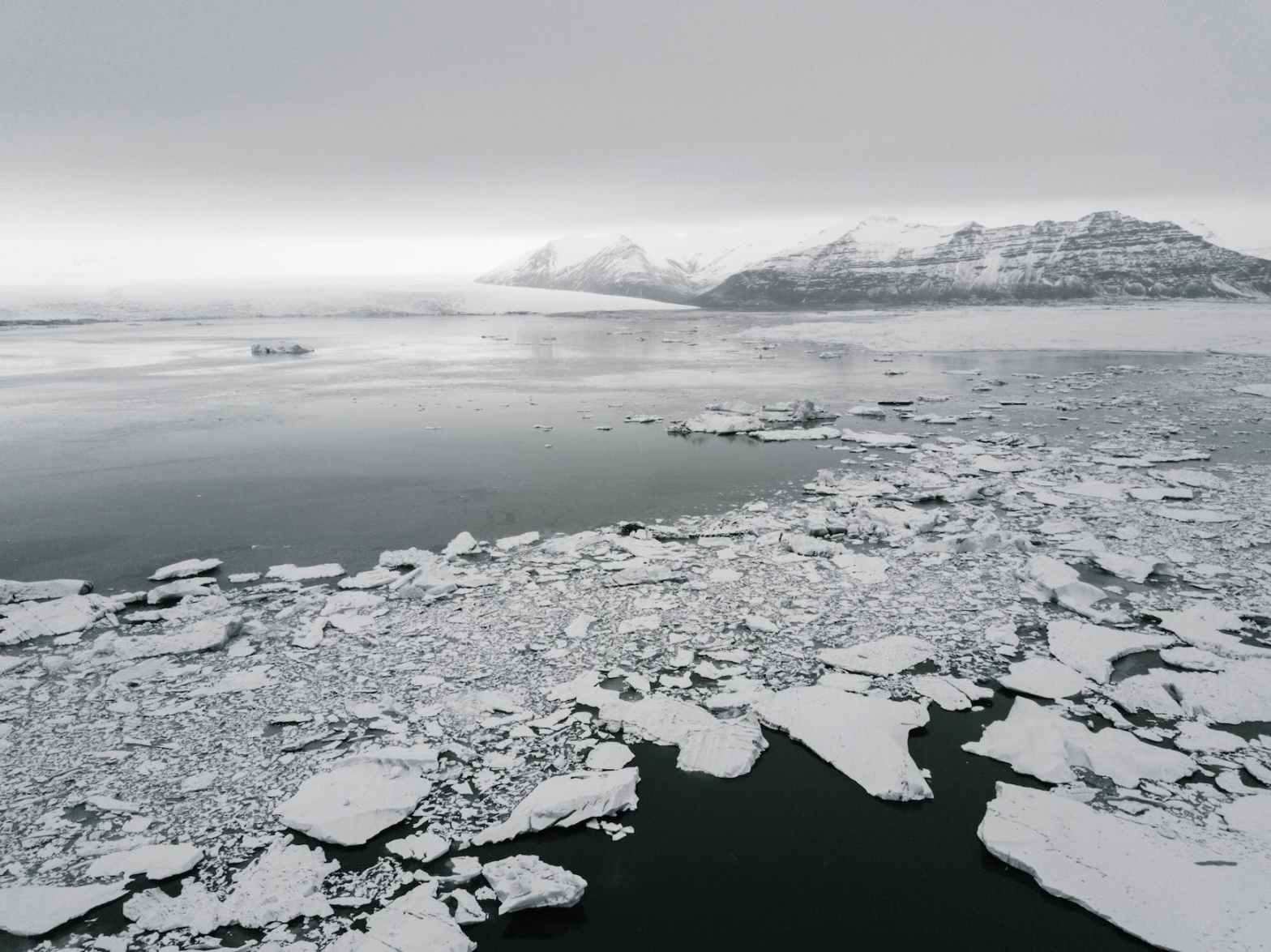
Antarctic ice shelves experience minor changes in surface melt: A study

A team of glaciologists set out to quantify how much ice melt occurred on Antarctica’s ice shelves from 1980 to 2021. The results might seem to be good news for the region, but the researchers say there’s no cause for celebration just yet.

The study was led by a partnership between the University of Colorado Boulder and the U.S. National Oceanic and Atmospheric Administration.

The researchers used satellite data to analyze the ice melt over the past four decades, and found that although there was no significant change in surface melting, the ice is still being lost through other means.

The results show Antarctic ice shelves overall have seen only minor changes in surface melt rates over the past 40 years, and the modeling results even show a small but significant decrease in melt rates during the study period.

However, some ice shelves on the Antarctic Peninsula, which juts out of the continent toward South America, did experience exceptionally high surface melt in recent years, especially during the austral summer of 2019-2020.
However, the researchers do expect to see an increase in surface melt in the coming decades. Surface melt makes ice shelves less stable by thinning them and changing how they respond to stress, which in turn means a greater contribution to global sea level rise.

This is due to a process called ‘basal melting’, where the ice is eroded from below by warm ocean waters.

As global water temperatures continue to rise, this process is likely to accelerate, which could have severe consequences for coastal communities around the world.

So while the surface melting on Antarctic ice shelves may not have changed significantly since 1980, this is no cause for celebration.

There remains a pressing need to address the issue of climate change and reduce global greenhouse gas emissions, in order to protect our planet and our communities from the devastating effects of sea level rise.

Edited by Zeng Han-Jun
Written by Juliana Rodriguez
Caribbean Seagrasses Provide Vital Services Worth $255 Billion Annually

A recent study has highlighted the significance of seagrass meadows across the Caribbean in providing services worth $255 billion to society every year. The region’s seagrass meadows are responsible for housing up to half of the world’s seagrasses by surface area.

They contain around one-third of the carbon stored in seagrasses globally, which alone amounts to $88.3 billion in carbon storage.

The findings of the study demonstrate how crucial seagrass meadows are to the Caribbean ecosystem and their contribution to providing various services, including storm protection to fish habitat.

Apart from their ecological importance, seagrass meadows provide a number of economic and social benefits to human society. They provide habitats for commercially important species like conch and lobster, support fisheries, and act as nurseries for fish and other marine species.

Seagrass meadows also help protect coastlines from erosion and offer recreational opportunities like snorkeling and diving.

In light of this recent study, it is clear that seagrass meadows in the Caribbean are a valuable resource that must be conserved and protected.

It is predicted that the value of seagrass meadows will continue to increase as the demand for carbon storage services increases with the growing concerns over climate change.

This research also highlights that policies, which support seagrass conservation and restoration, should be prioritized to ensure that these meadows continue to provide vital ecosystem services for future generations.

Edited by Zeng Han-Jun
Written by Juliana Rodriguez

Transforming Carbon Dioxide into Clean Fuels: Innovative Solutions for a Sustainable Future

Clean and sustainable fuels are the future of energy. Researchers have developed an innovative solution to produce fuels from thin air and plastic waste.

This breakthrough relies on capturing carbon dioxide emissions from industrial processes or directly from the air. By harnessing the energy of the sun, this captured carbon dioxide is transformed into clean fuel, offering a sustainable solution to our energy needs.

Currently, carbon dioxide is widely considered as a major contributor to climate change. According to the International Energy Agency (IEA), about two-thirds of global greenhouse gas emissions come from the use of fossil fuels.

The capture and conversion of carbon dioxide into clean fuels has the potential to significantly reduce greenhouse gas emissions and help tackle climate change.

The process involves extracting carbon dioxide from large-scale industrial processes such as cement production or even directly from the atmosphere.

Once extracted, the carbon dioxide is then transformed into clean, usable fuel using sunlight as the energy source. This fuel can be used in the same way as traditional fossil fuels, powering vehicles, machinery, and homes.

Researchers estimate that if the captured carbon dioxide is converted to fuels, it could replace up to 25% of current fossil fuel usage. This has the potential to significantly reduce greenhouse gas emissions and help tackle climate change.

Furthermore, the process can convert plastic waste into clean fuel, offering an environmentally-friendly solution to plastic waste disposal.

The capture and conversion of carbon dioxide into clean fuels is a promising solution to our energy needs. This innovative technology offers a sustainable solution to our energy needs while significantly reducing greenhouse gas emissions.

Edited by Zeng Han-Jun
Written by Juliana Rodriguez

High-Tech Pavement Markers: Revolutionizing Autonomous Driving in Tough and Remote Areas

Autonomous driving is one of the most promising technological advancements of the 21st century. However, it still faces challenges in tough conditions such as fog, snow, and glare, or when traveling through remote areas with limited infrastructure.

To overcome these challenges, engineers have come up with a novel solution: high-tech pavement markers that can support autonomous driving in tough and remote areas.

The reflective raised pavement markers, already used to help drivers identify lanes, serve as the perfect base for these low-powered sensors. Microchips inside the markers transmit information about the road shape to passing cars.

This information helps autonomous driving features function even when vehicle cameras or remote laser sensing, called LiDAR, are unreliable because of fog, snow, glare, or other obstructions.

The high-tech pavement markers are a game-changer for autonomous driving, especially in areas with harsh weather and limited infrastructure.

The data collected by these markers can also be used to provide insights and statistics on road conditions, allowing urban planners to make data-driven decisions and improve safety.

In conclusion, the use of high-tech pavement markers is a significant step forward in the development of autonomous driving technology.

These markers can enhance safety, accelerate the adoption of autonomous driving, and provide critical insights into road conditions.

Edited by Zeng Han-Jun
Written by Juliana Rodriguez

Half of World’s Largest Lakes Losing Water

A new study has found that 53% of the world’s A new study has found that 53% of the world\’s largest freshwater lakes are in decline, storing less water than they did three decades ago.

The study analyzed satellite observations dating back decades to measure changes in water levels in nearly 2,000 of the world’s biggest lakes and reservoirs.largest freshwater lakes are in decline, storing less water than they did three decades ago.

The study analyzed satellite observations dating back decades to measure changes in water levels in nearly 2,000 of the world’s biggest lakes and reservoirs.

The research found that climate change, human consumption, and sedimentation are the primary reasons for the decline.

The reduction in water levels has numerous environmental implications, including disruption of ecosystems, reduced availability of freshwater, and increased risk of water conflicts.

The report indicates that Lake Aral, in Central Asia, has lost more than 80% of its volume since 1960, while Lake Urmia, in Iran, lost 95% of its volume between 1972 and 2014.

The Great Lakes system, on the other hand, has seen water levels rise due to increased precipitation in the region. However, the study warns that even these massive bodies of water are not immune to the effects of climate change and human activity.

It is essential to take immediate action to manage and conserve freshwater sources.

Individuals can take steps to reduce their water consumption and support local conservation efforts. Governments can implement policies to mitigate the effects of climate change and regulate water usage.

The report provides a wake-up call to the global community about the urgency of preserving our freshwater resources.

Edited by Zeng Han-Jun
Written by Juliana Rodriguez
Design a site like this with WordPress.com
Get started