Measuring Greenhouse Gas Emissions from Ponds for Improved Climate Predictions

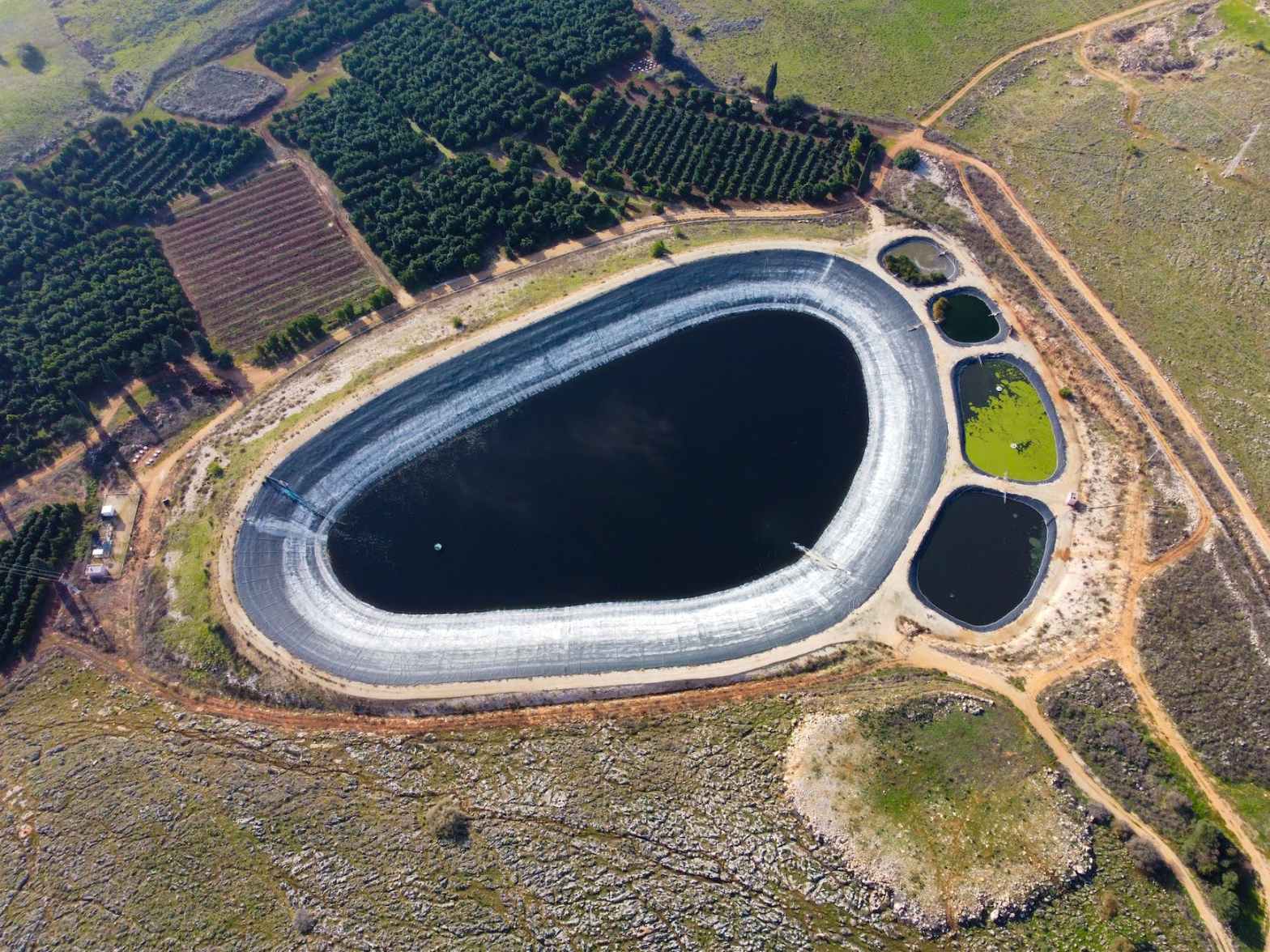
Shallow lakes and ponds are a significant source of greenhouse gas emissions that contribute to climate change. However, there is a lack of understanding and measurement of emissions from these systems.

Recent research has shown that better measurements of greenhouse gas emissions from ponds can help improve climate predictions.

Studies have demonstrated that ponds and shallow lakes emit significant amounts of carbon dioxide and methane, which can vary considerably depending on location, temperature, and water depth. To accurately estimate these emissions, researchers must conduct frequent and extensive measurements that account for these variables.

Unfortunately, current methods for measuring greenhouse gas emissions from ponds are inadequate and often result in inaccurate estimates.

New technologies are being developed to improve measurements of these emissions. One such innovation involves using floating chambers to capture greenhouse gas emissions from ponds and analyze them with high-precision sensors.

This approach provides a more accurate picture of greenhouse gas emissions from ponds and helps scientists better understand how these emissions change over time and under different conditions.

One of the most promising benefits of accurate greenhouse gas measurements from ponds is improved climate predictions. Climate models rely on accurate data to make accurate predictions, and studies have shown that incorporating improved greenhouse gas emissions measurements from ponds can help refine these models.

Measuring greenhouse gas emissions from ponds is crucial for improving our understanding of climate change and developing effective strategies to mitigate its effects.

New technologies and innovations to improve measurements in this area are promising. As we continue to develop more accurate measurements, scientists can refine climate models and provide more accurate climate predictions that can inform policy decisions and guide our efforts to combat climate change.

Edited by Zeng Han-Jun
Written by Juliana Rodriguez

The Role of Coastal Ecosystem Restoration in Mitigating Climate Change

Researchers are proposing a novel pathway through which coastal ecosystem restoration can permanently capture carbon dioxide from the atmosphere.

Seagrass and mangroves — known as blue carbon ecosystems — naturally capture carbon through photosynthesis, which converts carbon dioxide into living tissue.

This process allows these ecosystems to store carbon for centuries, even millennia. In fact, blue carbon ecosystems can store up to 10 times more carbon per hectare than terrestrial forests.

Coastal ecosystems play a crucial role in mitigating climate change because they are effective at absorbing and storing carbon dioxide, one of the main drivers of global warming.

Unfortunately, these ecosystems are being degraded at an alarming rate, which leads to the release of carbon into the atmosphere.

However, by restoring degraded coastal ecosystems, we can not only help to mitigate climate change, but also provide a range of other benefits, such as protecting shorelines from erosion, boosting fish populations, and providing livelihoods for local communities.

The intangible benefits, such as increased biodiversity and recreational opportunities, are also important to consider.

Mangroves and seagrass beds are particularly effective at carbon sequestration. Mangroves are able to store an average of 1,000 tonnes of carbon per hectare, while seagrass beds can store up to 2,000 tonnes of carbon per hectare.

In addition to carbon storage, these ecosystems also provide crucial habitat for a range of marine species.

The restoration of coastal ecosystems is a highly effective way to mitigate climate change, while also providing a range of social, economic, and environmental benefits. As we work towards a more sustainable future, it is crucial that we prioritize the restoration and protection of these critical ecosystems.

Edited by Zeng Han-Jun
Written by Juliana Rodriguez
Eddies: Circular Currents and Their Impact on the World’s Hottest Ocean

Water from the Pacific Ocean flows into the Indian Ocean via the Indonesia Archipelago thanks to a vast network of currents that act as a conveyor belt, transporting warmth and nutrients.

These currents are crucial for the functioning of the world’s hottest ocean and support a diverse range of marine life. However, currents can sometimes form circular motions and these are known as eddies.

Eddies can have a significant impact on the currents that carry water from the Pacific Ocean to the Indian Ocean.

An international group of researchers has recently modeled the impacts of eddies on these currents. The results of the study have revealed some interesting statistics.

The researchers found that eddies are not only a natural occurrence in the ocean but can also provide various benefits. For instance, eddies can enhance the transfer of nutrients and heat between different parts of the ocean. Besides that, these currents can also help to diversify the marine ecosystem by increasing biodiversity.

However, eddies can also have adverse effects on the ocean currents. For example, they can slow down the flow of water from the Pacific to the Indian Ocean, which can impact the temperature and nutrient distribution.

This, in turn, can affect the lives of marine animals living in the affected areas.

Eddies are an essential feature of the world’s hottest ocean. They have both positive and negative impacts on the currents that transport water from the Pacific to the Indian Ocean.

While eddies can enhance biodiversity and nutrient transfer, they can also have adverse effects. The research into the impacts of eddies on the ocean currents is ongoing, and researchers in this domain hope to provide more insights into this fascinating natural phenomenon.

Edited by Zeng Han-Jun
Written by Juliana Rodriguez

Lessons from ‘The Blob’ will help us manage fisheries during future marine heatwaves

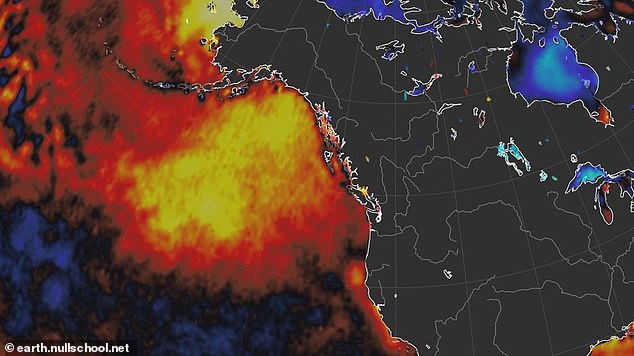
In early 2014, a great anomaly descended upon the seas: A patch of warm water that manifested in the Gulf of Alaska. Scientists called it ‘The Blob.’

What followed was a domino effect that drastically affected marine life, particularly the fisheries industry. As a professional ghost writer, it is my responsibility to inform our readers that the lessons learned from this event can help us manage fisheries during future marine heatwaves.

To start, this experience emphasized the importance of monitoring and early warning systems. By detecting changes in sea temperature and ecosystem patterns, we can predict potential shifts in fish populations and plan accordingly.

Moreover, practices that promote resilient fish populations, such as reducing harvest rates and minimizing bycatch, can mitigate the effects of sudden changes caused by heatwaves.

Finally, fostering collaborations among stakeholders, including government agencies, fishers, and researchers, can aid in the timely and effective implementation of adaptation measures.

As the climate continues to warm, marine heatwaves will become more common, and we must act now to ensure the sustainability of our fisheries.

With the lessons learned from ‘The Blob,’ we can effectively manage fisheries during future marine heatwaves and protect our ocean’s delicate ecosystem.

Edited by Zeng Han-Jun
Written by Juliana Rodriguez
The Alarming Rise in Greenhouse Gas Emissions and Global Warming

Scientists have found that greenhouse gas emissions are at an all-time high, causing an unprecedented rate of global warming.

The human-induced warming, mainly caused by the burning of fossil fuels, has led to an average rise of 1.14°C for the latest decade (2013-2022) above pre-industrial levels, up from 1.07°C between 2010 and 2019.

The evidence is clear: human-induced warming is on the rise at a staggering rate of over 0.2°C per decade.

Furthermore, our analysis reveals that human activity has led to the release of a staggering 54 (+/-5.3) gigatonnes of carbon dioxide annually in the last decade (2012-2021).

These figures underscore the urgent need for decision-makers, including policymakers, climate negotiators, and civil society groups, to use up-to-date, robust scientific evidence to inform their policymaking and planning.

Failure to take decisive action would mean that we will face an irreversible climate catastrophe. Climate science continuously warns us that we must act now or face devastating and irreversible consequences.

It is only through science-based decision-making that we can hope to address the challenge of climate change and secure a sustainable future.

The magnitude of these statistics highlights the urgent need for policymakers, climate negotiators, and civil society groups to use up-to-date, robust scientific evidence to inform their decision-making process.

Edited by Zeng Han-Jun
Written by Juliana Rodriguez

Air Quality Stations Could Be the Solution to Tracking Global Biodiversity

The loss of biodiversity and species extinction is a growing concern worldwide, but quantifying those losses at a large scale has been a difficult task.

However, recent research suggests that air quality stations could provide a game-changing solution. Unbeknownst to many, these stations have been quietly collecting vast amounts of environmental DNA (eDNA) for decades, and this data could be critical for tracking global biodiversity.

eDNA is a type of DNA that is shed from organisms into their environment. By analyzing this DNA, researchers are able to identify which species are present in an area. This is where air quality stations come in – the filters used to collect air samples also happen to collect eDNA.

This means that the data collected from these stations could be used to create a global biodiversity monitoring network. The potential impact of such a network is huge, both for conservation efforts and for scientists studying ecosystems.

By analyzing the eDNA collected by these stations, researchers could identify areas where biodiversity is under threat and take steps to protect those species. For example, if a particular species is found to be scarce in a certain region, conservationists can work to ensure that it is not wiped out by taking appropriate measures to protect it.

If this vast amount of data is analyzed properly, air quality stations could be a major asset in the fight to protect global biodiversity.

Edited by Zeng Han-Jun
Written by Juliana Rodriguez
Revolutionizing the Estimation of Coastal Fish Stocks: A.I. Joins the Ranks

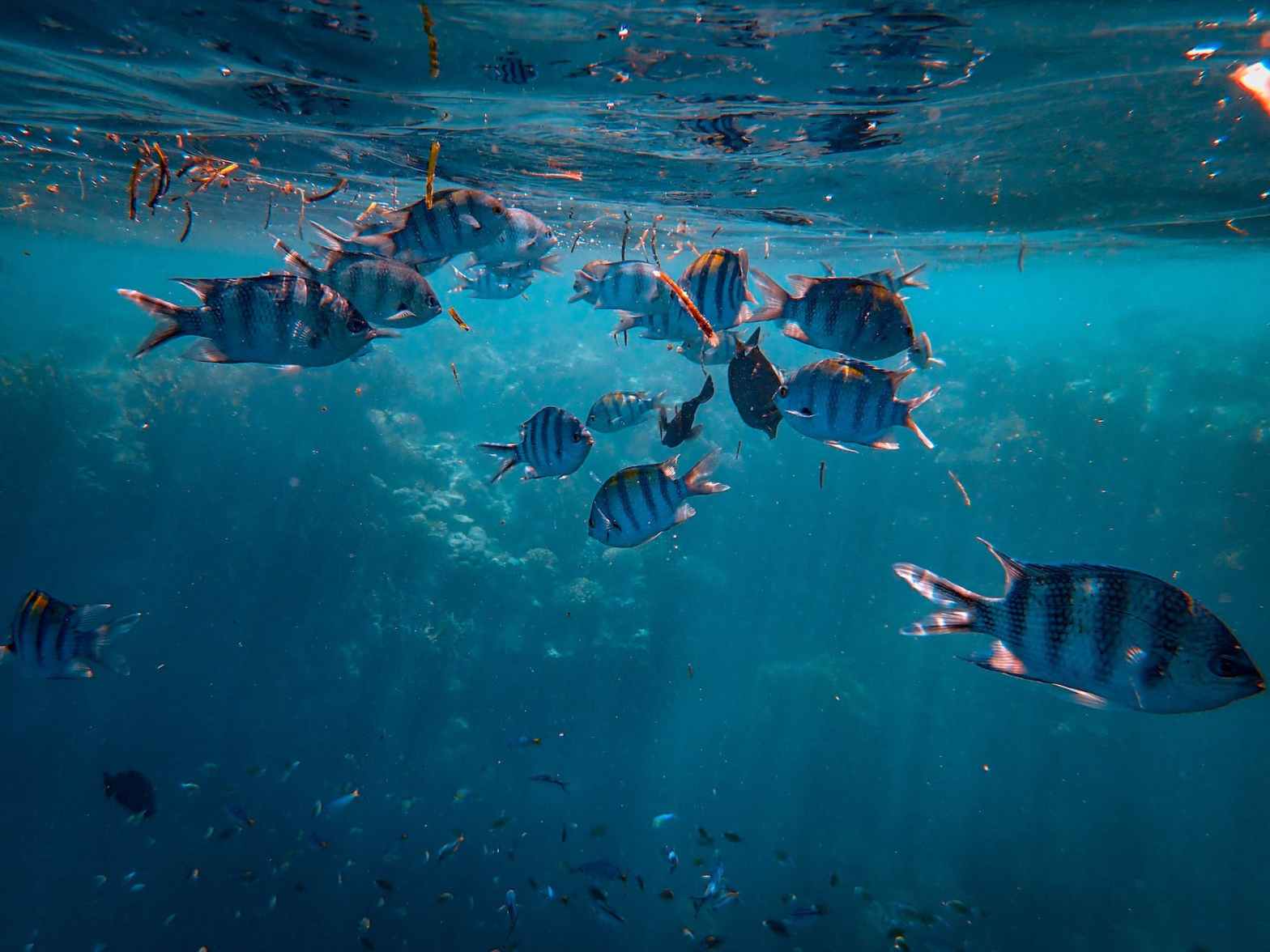
In recent years, there has been a growing concern over the depletion of marine life due to overfishing. While many scientists have worked tirelessly to estimate coastal fish stocks, it is often a complicated and time-consuming process .

However, with the help of newly developed artificial intelligence (AI) algorithms, researchers are now able to estimate fish stocks quickly and accurately without even getting in the water.

This new method is a game-changer in the field of marine biology. The algorithm uses advanced statistical modeling techniques to process large amounts of data from satellite images and underwater equipment, which would take humans weeks, if not months, to complete.

By doing so, it provides quick and accurate estimates of the number of fish present in any given location.

The AI algorithm was developed by a team of marine biologists and computer scientists who worked in tandem to design an efficient and effective model.

The algorithm is trained using machine learning techniques, which helps it to learn from its mistakes and improve its accuracy over time.

This new development has important implications for not only the scientific community but also for fishermen and governments around the world.

Knowing the fish populations in a particular area means that sustainable fishing practices can be implemented, and crucially, fish stocks can be conserved for future generations.

The development of AI has revolutionized the estimation of fish stocks by providing a quick and accurate method that can aid in sustainable fishing practices. With the help of this new technology, we may be able to ensure the preservation of aquatic life for years to come.

Edited by Zeng Han-Jun
Written by Juliana Rodriguez

Revolutionizing the Hydrogen Renewable Energy Industry with a New Supply Chain Model

The future of a sustainable energy economy relies on a shift towards renewable energy sources to power our daily needs. Hydrogen is an excellent alternative to fossil fuels, given its high energy content and zero carbon emissions when produced using renewable sources.

However, transitioning to this new hydrogen economy requires an efficient and reliable supply chain model that can transport hydrogen from production to storage and distribution locations at the required scale.

A team of researchers has broken new ground by creating a novel supply chain model that can empower the hydrogen renewable energy industry, particularly in regions where the technology is still in its early stages.

This new model leverages the advantages of sea-based transportation and can help overcome the challenges of transitioning to a hydrogen-fueled economy by reducing costs and increasing accessibility.

The model is based on shipping hydrogen in liquid or gas form, using specialized vessels designed to withstand high-pressure conditions and low temperatures. Hydrogen can be stored and transported using these vessels, allowing the industry to reduce transportation costs, increase storage capacity, and reach more customers.

Sea-based transportation also opens up access to offshore renewable energy sources, creating opportunities for new projects that can deliver hydrogen to remote and landlocked areas.

This new supply chain model is already showing promising results, with a growing number of countries and industries adopting it as a viable option to reduce their carbon footprint and achieve climate goals.

According to recent statistics, the global hydrogen market is expected to grow by 10.70% CAGR from 2020 to 2027 and reach USD 200.05 billion by 2027.

This growth indicates a rising demand for hydrogen and hydrogen-related infrastructures, including pipelines, storage tanks, and transportation systems.

By implementing this new supply chain model, the industry can be better equipped to meet this demand and usher in a new era of sustainable energy production and consumption.

As we continue our journey towards a green future, innovative solutions like this new supply chain model will play a crucial role in realizing successful transition to renewable energy usage.

Edited by Zeng Han-Jun
Written by Juliana Rodriguez
Microbes – The Key to Predicting Climate Tipping Points

Many people are familiar with the concept of carbon emissions and the impact they have on our planet. But did you know that there are little-known microbes that could help predict climate tipping points?

Rising temperatures could push ocean plankton and other single-celled creatures toward a carbon tipping point that fuels more warming. However, new research shows that it’s also possible to detect early distress signals before they get there.

According to a study published in the journal Nature Communications, scientists have discovered that certain types of microbes give off warning signals when the carbon balance in their ecosystems is starting to shift.

By monitoring these signals and mapping changes in microbial communities, researchers can predict when and where a carbon tipping point is likely to occur.

The implications of this research are significant. By identifying these early warning signs, we can work to prevent carbon tipping points from occurring and help mitigate the effects of climate change.

As the world continues to experience rising temperatures and other climate-related challenges, it’s imperative that we utilize all available tools and resources to protect our planet.

The study found that some marine ecosystems are particularly susceptible to carbon tipping points, such as those in the North Atlantic and Southern Ocean. In these regions, microbes play a key role in cycling carbon and other nutrients through the ecosystem.

By better understanding these processes, we can develop targeted interventions to protect these ecosystems and the species that depend on them.

The discovery of early distress signals from little-known microbes could prove to be a game-changer in our fight against climate change. By utilizing this information, we can gain greater insights which will then help to prevent carbon tipping points and protect our planet for future generations.

Edited by Zeng Han-Jun
Written by Juliana Rodriguez

The Significant Increase of Thermal Energy Stored by Land Masses

Climate change is one of the most pressing issues facing our planet. Global warming, which is caused by heat building up in various parts of the Earth system, is perhaps the most widely known effect of climate change.

A recent study by an international research team has shed light on the distribution of thermal energy stored on land. The study shows that since the 1960s, more than 20 times as much heat has been stored in land masses, with the majority of this increase being in the continental ground.

In fact, the increase in thermal energy stored in the ground is so significant that it accounts for half of the total heat uptake by land. Permafrost soils and inland water bodies have also seen a substantial increase in thermal energy storage over the last few decades.

According to the research team’s calculations, more than 90 percent of the energy stored by land has gone into the top three meters of soil, with an additional 5 percent stored between three and six meters deep. The remaining 5 percent has gone into deeper ground layers.

This increase in thermal energy storage has several effects on the environment, including changes in permafrost extent and stability, an increase in ground surface temperatures, and potential impacts on water resources.

These changes can have far-reaching effects, including impacts on agriculture, infrastructure, and human health.

The study’s findings underscore the need for continued research into the effects of climate change on Earth’s systems. By understanding how thermal energy is stored and distributed in land masses, we can better predict and prepare for changes in the future.

This research is crucial in helping us mitigate the negative impacts of climate change and work towards a more sustainable future.

Edited by Zeng Han-Jun
Written by Juliana Rodriguez
Design a site like this with WordPress.com
Get started