
Uncovering the Impact of Aerosol Particles in the West Siberian Taiga

A recent study has shed light on a notable environmental phenomenon, challenging previous assumptions about the West Siberian taiga’s climatic impact.

The pioneering research indicates that substantial quantities of aerosol particles are capable of forming over extensive stretches of the West Siberian taiga during the spring, constituting a potential game-changer in our understanding of regional climate dynamics.

Traditionally, the scientific community held the belief that aerosol particle formation was limited to specific industrial or urbanized areas.

However, the new findings from the West Siberian taiga have refuted this long-standing assumption, hinting at the pivotal role this natural landscape plays in the global climate system.

As temperatures in the region undergo seasonal escalation, the consequential proliferation of aerosol particles could wield a far-reaching impact on regional and global climate patterns.

These minuscule particles are renowned for their capacity to influence cloud formation, precipitation processes, and the reflection of solar radiation, factors that collectively exert a profound influence on regional weather systems and broader climatic trends.

Moreover, the implications of this study extend beyond the immediate vicinity of the West Siberian taiga.

Given the interconnectedness of the Earth’s climate systems, the emergence of significant aerosol particle formation in this expansive boreal forest has critical ramifications for our comprehension of global climate dynamics.

Edited by Zeng Han-Jun
Written by Juliana Rodriguez

Tidal Range Schemes: Vital Protection Against Sea Level Rise

As sea levels continue to rise at alarming rates, the preservation of estuaries and coastal areas has become an increasingly pressing concern.

Researchers have emphasized the crucial role of tidal range schemes in safeguarding these vulnerable habitats, housing, and businesses from the adverse impacts of sea level rise, which is predicted to exceed one meter within the next 80 years.

Tidal range schemes offer a promising solution by effectively limiting high tides to existing levels through the simple yet powerful measure of closing sluices and turbines.

Furthermore, the maintenance of existing low tide levels can be ensured by employing pumping mechanisms, demonstrating the versatility and adaptability of these schemes in mitigating the effects of rising sea levels.

Despite their potential benefits, the development of estuarine barrages has faced obstacles stemming from misconceptions about their operation and concerns about the disturbance of ecologically sensitive intertidal areas.

Addressing these misunderstandings is essential in harnessing the full potential of tidal range schemes and unlocking their capacity to provide sustainable protection for coastal regions and estuaries.

Looking ahead, a comprehensive understanding of the ecological, economic, and societal implications of tidal range schemes will be instrumental in effectively advocating for their implementation.

By overcoming misconceptions and fears through informed dialogue and research, we can pave the way for the widespread adoption of these vital schemes, thereby fortifying our coastal areas against the escalating impacts of sea level rise.

The future resilience and sustainability of our coastal regions hinge upon the recognition of tidal range schemes as one of the essential tools in our efforts to combat the looming threat of sea level rise.

Edited by Zeng Han-Jun
Written by Juliana Rodriguez
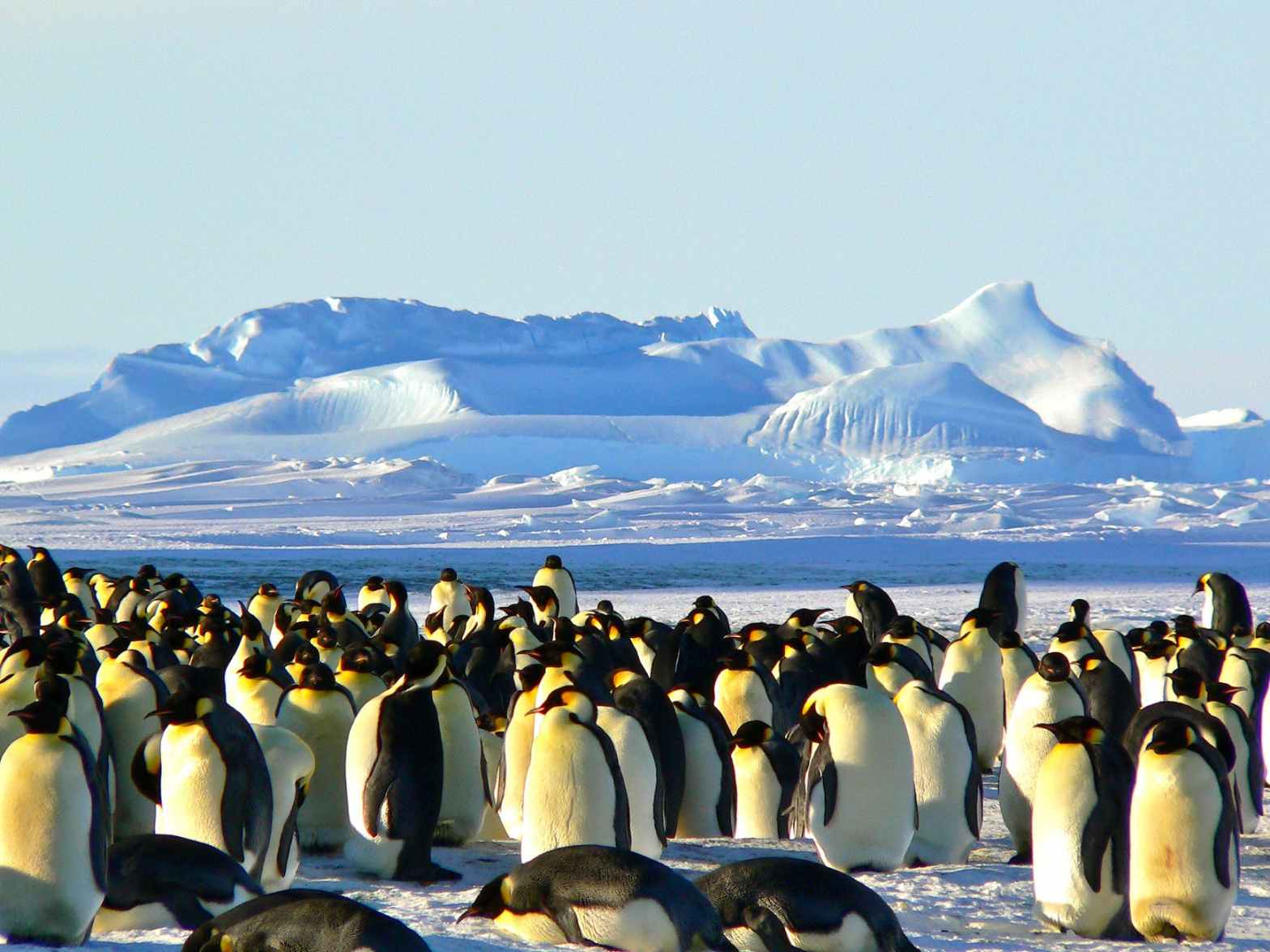
The Threat of Ocean Acidification to Antarctic Wildlife

The delicate balance of the Antarctic Ocean is facing a new, grave threat. As global emissions continue to rise, the acidity of the Earth’s oceans is increasing at an alarming rate.

This phenomenon, known as ocean acidification, poses a significant risk to the diverse array of species that call the Antarctic Ocean home.

Without immediate and substantial reductions in global emissions, the Antarctic Ocean is at risk of becoming too acidic for the hundreds of species that rely on its unique ecosystem.

Many of these species are already endangered due to rising temperatures and the loss of sea ice, exacerbating the urgency of addressing this impending crisis.

The implications of ocean acidification on marine life in the Antarctic Ocean are dire. The delicate balance of the ecosystem is at risk, potentially leading to widespread disruptions in the food chain and ecosystem dynamics.

Species such as krill, penguins, seals, and whales are particularly vulnerable to these changes, as their ability to survive and thrive in the region is intimately tied to the ocean’s chemical composition.

Addressing the threat of ocean acidification demands international cooperation and swift action. Efforts to reduce global emissions and mitigate the impacts of climate change must be accelerated to safeguard the delicate balance of the Antarctic Ocean’s ecosystem.

Edited by Zeng Han-Jun
Written by Juliana Rodriguez

Creating an Inclusive Environment for Climate-Friendly Behaviors

As we navigate the complex challenges of environmental sustainability, it is imperative to acknowledge the role of societal capacity in effectively driving positive change.

The success of promoting climate-friendly behaviors hinges on ensuring that everyone has the capacity – financially, physically, and in terms of time – to make meaningful changes.

Financial capacity plays a pivotal role in addressing climate change. In societies where individuals have the means to invest in eco-friendly technologies, participate in sustainable consumption practices, and support green initiatives, the potential for widespread environmental impact is significantly amplified.

Therefore, it is essential to foster an environment where financial resources are not a barrier to embracing sustainable lifestyles.

Promoting access to affordable green technologies, incentivizing sustainable investments, and ensuring equitable opportunities for participation in green economy initiatives are essential steps in bolstering financial capacity for climate-friendly behaviors.

Physical capacity, encompassing the ability to engage in environmentally sustainable activities, is equally vital.

This aspect extends beyond individual capabilities and encompasses the broader infrastructural and environmental considerations that enable communities to adopt eco-conscious lifestyles.

Access to clean and efficient public transportation, well-designed urban spaces that encourage walking and cycling, and the availability of green spaces for recreation play a fundamental role in supporting physical capacity for climate-friendly behaviors.

By fostering inclusive urban planning and prioritizing sustainable infrastructure development, societies can enable individuals to actively contribute to environmental preservation and conservation.

Furthermore, addressing the dimension of time is key to promoting climate-friendly behaviors.

Balancing the demands of modern-day living with the commitment to sustainable practices requires effective time management and convenient access to eco-friendly alternatives.

Offering flexible work arrangements, promoting sustainable leisure activities, and streamlining access to eco-conscious products and services are instrumental in ensuring that the adoption of climate-friendly behaviors does not become a time-consuming burden.

Empowering individuals to integrate environmental responsibility into their daily routines without sacrificing productivity or quality of life is essential in realizing widespread adoption of sustainable practices.

The efficacy of promoting climate-friendly behaviors is intrinsically linked to the societal capacity to embrace and sustain these changes.

By addressing the financial, physical, and time-related aspects of capacity, we can create an inclusive environment where everyone is empowered to actively contribute to a more sustainable future.

Edited by Zeng Han-Jun
Written by Juliana Rodriguez

Reimagining Waste: Turning Polyethylene into Valuable Chemicals Through Innovative Photocatalysis

In a world overrun by plastic waste, the quest for sustainable recycling solutions has taken a promising turn with the development of a ground-breaking method to transform polyethylene waste (PE) into valuable chemicals.

PE, as the most ubiquitous plastic in the world, is utilized in various everyday products, from food packaging and shopping bags to essential components like reagent bottles.

Now, a team of experts has harnessed the power of light-driven photocatalysis to unlock the potential of this abundant resource.

The traditional approach to polyethylene waste management has revolved around disposal and, in some cases, very limited recycling capabilities.

However, with the emergence of light-driven photocatalysis, a new frontier has been opened, presenting a compelling pathway towards sustainable reuse and resource recovery.

Through this groundbreaking process, the seemingly “unrecyclable” nature of PE is being reimagined, offering a ray of hope in the battle against plastic pollution.

The implications of this innovative approach extend well beyond the realm of waste management.

By converting PE into valuable chemicals using photocatalysis, researchers anticipate a significant shift in mindset, positioning what was once considered an environmental burden as a potential untapped resource.

The potential for reusing PE in the form of high-value chemicals not only addresses the immediate challenge of waste accumulation but also presents a lucrative opportunity for creating a circular economy around plastic materials.

As recycling methods for PE are still in early stages of development, the promise of light-driven photocatalysis as a means for converting PE waste into valuable chemicals adds a new dimension to sustainable plastic management.

The research holds the potential to redefine the narrative surrounding polyethylene waste, transforming it from an environmental concern into a valuable asset for a more sustainable future.

Edited by Zeng Han-Jun
Written by Juliana Rodriguez

Understanding Rapid-Onset Drought in the Caribbean

When we think of drought, we often picture desolate landscapes, cracked soil, and long periods of sparse rainfall.

However, in the Caribbean, the onset of drought can be swift and relentless, catching communities off guard and posing significant challenges to agriculture and water infrastructure.

Unlike traditional drought, which develops over weeks or even whole seasons, rapid-onset drought in the

Caribbean can materialize in a matter of days, leaving little time for proactive measures to mitigate its impact. This sudden emergence of drought conditions can lead to devastating consequences for agriculture, as crops and livestock are left vulnerable to the abrupt and severe lack of rainfall.

Additionally, the rapid depletion of water reserves strains the infrastructure that supplies clean water to communities, creating a pressing need for effective conservation strategies and emergency response plans.

The warning signs of rapid-onset drought are often subtle, making it difficult to anticipate and prepare for its effects.

As a result, it is crucial for communities and policymakers to recognize the unique nature of rapid-onset drought in the Caribbean and develop proactive measures to mitigate its impact.

By enhancing early warning systems, implementing drought-resistant agricultural practices, and investing in resilient water infrastructure, we can build a more sustainable and adaptive approach to managing rapid-onset drought.

Edited by Zeng Han-Jun
Written by Juliana Rodriguez

The Runaway Greenhouse Effect: A Terrifying Prospect for Planetary Climate

The Earth, a mesmerizing blue and green orb teeming with oceans and abundant life, stands in stark contrast to Venus, a desolate and yellowish sphere that is not only inhospitable but also sterile.

Despite their differences, the temperature variance between the two is only a few degrees.

Recently, a groundbreaking achievement was made by a team of astronomers who successfully simulated the entire runaway greenhouse process, shedding light on its potential to transform a planet’s climate from idyllic to hostile.

In their pioneering work, the scientists demonstrated that the initial stages of the runaway greenhouse process trigger substantial changes in atmospheric structure and cloud coverage.

These changes set in motion an almost unstoppable and highly complex runaway greenhouse effect, leading to an environment that is far from conducive to life.

Moreover, the findings presented a chilling revelation – a mere global average temperature rise of a few tens of degrees, following a slight increase in the Sun’s luminosity, could catalyze the initiation of this phenomenon on Earth, rendering our planet uninhabitable.

Edited by Zeng Han-Jun
Written by Juliana Rodriguez

The Impact of Wildfires on Aquatic Ecosystems: Unveiling Unseen Consequences

Wildfires have long been recognized for their devastating effects on terrestrial ecosystems.

However, recent research has shed light on an often overlooked aspect of their impact – the transformation of aquatic ecosystems.

The repercussions of fire debris in lakes and other water bodies are proving to have far-reaching implications for fisheries and water quality.

The interplay between wildfires and aquatic ecosystems has been a topic of increasing interest among researchers.

A compelling study has revealed that fire debris, including ash and charred organic matter, significantly alters the chemistry and physical characteristics of lakes.

These transformations pose unforeseen challenges for the delicate balance of aquatic life and the quality of water resources.

One of the most striking findings of the study is the impact of wildfire residues on fisheries.

The altered chemical composition of water bodies, resulting from the influx of fire debris, can disrupt the delicate habitat conditions required for the survival and reproduction of aquatic species.

This disruption has the potential to markedly affect fish populations and the livelihoods dependent on them.

Furthermore, the changes in water quality induced by wildfire debris demand attention due to potential risks to human health and ecosystems.

The accumulation of ash and other particulates can introduce harmful substances and elevate nutrient levels, creating conditions conducive to algal blooms and subsequent water contamination.

It is evident that the repercussions of wildfires extend beyond the visible destruction, echoing into the intricate web of aquatic life and water security.

The emerging understanding of the impact of wildfires on aquatic ecosystems underscores the need for holistic approaches in mitigating the aftermath of these natural disasters.

Recognizing the interconnectedness of terrestrial and aquatic systems is imperative for devising effective strategies to preserve the integrity of our natural habitats and safeguard essential resources.

Edited by Zeng Han-Jun
Written by Juliana Rodriguez

Unprecedented Heatwaves Threaten Water Supply in the Pacific Northwest

The Pacific Northwest, known for its abundant rainfall, is facing a new challenge in the form of increasingly frequent heatwaves that threaten a vital source of water supply.

A recent study conducted by Washington State University set out to investigate the impact of a singular extreme weather event, the 2021 ‘heat dome,’ on snow melting.

However, the findings revealed a concerning long-term trend of successive heatwaves leading to earlier snowpack melting, with implications for water supply in the region.

The study, which analyzed temperature records dating back to 1940, highlighted a significant shift in springtime heatwaves in the Pacific Northwest. Since the mid-1990s, the frequency and intensity of these heatwaves have doubled, showing a worrying upward trend.

This shift has accelerated the melting of snowpack, a critical water source for the region, ultimately posing an increased risk to water availability during the summer months.

Beyond the Pacific Northwest, the implications of this trend extend globally to areas reliant on snow-capped mountains for summer water supply.

The rising occurrence of heatwaves is a phenomenon not limited to this region alone, and the impact is felt by communities worldwide, heightening concerns about water scarcity.

Edited by Zeng Han-Jun
Written by Juliana Rodriguez

Integrating Environmental Health Literacy into Public Health Interventions: A Critical Approach to Cancer Screening

As research continues to unravel the complex interplay between environmental factors and public health, incorporating components of environmental health literacy into public health interventions has emerged as a critical approach.

The recent findings of researchers have shed light on the significance of integrating environmental health literacy alongside cancer screening efforts to enhance the effectiveness of public health initiatives.

Environmental health literacy encompasses the understanding of how environmental factors impact human health, and the ability to access, understand, evaluate, and use environmental health information to make informed decisions.

This crucial dimension of literacy is paramount in the context of cancer screening, as it enables individuals to comprehend the environmental contributors to cancer and equips them with the knowledge to mitigate such risks.

The synergy between environmental health literacy and cancer screening efforts is evident in its potential to augment the early detection and prevention of cancer.

By fostering a comprehensive understanding of environmental factors that influence cancer development, public health interventions can be tailored to address these specific concerns at the grassroots level.

This approach not only empowers individuals to take proactive steps to reduce their exposure to carcinogens but also raises awareness about the environmental determinants of cancer that may otherwise go unnoticed.

Moreover, incorporating environmental health literacy into cancer screening programs cultivates a deeper sense of community engagement and advocacy.

The dissemination of accurate and accessible environmental health information enables communities to leverage their collective knowledge and resources to create healthier environments.

This, in turn, amplifies the impact of cancer screening efforts by fostering a culture of environmental stewardship and risk reduction.

It is important to recognize the reciprocal relationship between environmental health literacy and cancer screening.

By integrating environmental health literacy into public health interventions, we can bolster the effectiveness of cancer screening programs and advance a more comprehensive approach to mitigating the burden of cancer within communities.

The coalescence of environmental health literacy and cancer screening offers a pathway towards redefining public health interventions.

Leveraging the insights gleaned from researchers’ findings, we can confront the multifaceted challenges of cancer by equipping individuals with the knowledge and agency to navigate their environmental determinants.

Being aware of this paradigm shift in public health not only reinforces the importance of informed decision-making but also underscores the pivotal role of environmental health literacy in fostering resilient communities.

Edited by Zeng Han-Jun
Written by Juliana Rodriguez

Design a site like this with WordPress.com
Get started