
Harnessing the Cooling Power of Space: Introducing the Game-Changing ‘Cooling Glass’

As concerns over rising global temperatures continue to mount, researchers are constantly exploring innovative ways to combat this pressing issue.

In a groundbreaking development, a group of scientists has introduced a revolutionary solution that capitalizes on the frigid depths of space to create a new era of environmentally-friendly cooling.

This state-of-the-art technology, aptly named the ‘cooling glass’, has the potential to significantly reduce indoor temperatures without relying on electricity, offering a promising avenue in the fight against climate change.

The core concept behind the ‘cooling glass’ lies in its ability to draw upon the chilling properties of space itself.

By utilizing a microporous glass coating, this novel technology generates a remarkable cooling effect that significantly reduces the temperature of the material underneath.

At noon, the ‘cooling glass’ can lower the temperature by an impressive 3.5 degrees Celsius, providing a much-needed respite from the scorching heat.

One of the most exciting capabilities of the ‘cooling glass’ is its potential to make a substantial impact on carbon emissions, particularly in mid-rise apartment buildings.

By seamlessly integrating this cutting-edge technology into the building’s infrastructure, it can potentially reduce the structure’s annual carbon emissions by up to 10 percent.

This significant reduction not only contributes to combating climate change but also presents a compelling case for the widespread adoption of this sustainable alternative.

Apart from its immense potential in reducing carbon emissions, the ‘cooling glass’ offers a range of advantages that make it an attractive choice for various applications.

Firstly, its energy-free cooling mechanism relieves the burden on electricity consumption, providing a cost-effective solution for individuals and organizations seeking to lower their carbon footprint.

Additionally, this innovative technology holds the promise of improving indoor comfort, making living and working spaces more pleasant even in the face of rising temperatures.

While the introduction of the ‘cooling glass’ presents an encouraging breakthrough in the field of sustainable technologies, it is important to recognize that further research and development are necessary to fully harness its potential.

Researchers are actively working towards optimizing the performance and scalability of this technology, ensuring its seamless integration into existing architecture.

The advent of the ‘cooling glass’ marks a significant step forward in the ongoing battle against rising global temperatures.

By leveraging the cooling properties of space, this cutting-edge technology has the capacity to revolutionize the way we approach sustainable cooling solutions.

Edited by Zeng Han-Jun
Written by Juliana Rodriguez

Unlocking the Future of Energy-Efficient Cooling with Cooling Ceramic

In the quest for sustainable and energy-efficient cooling solutions, researchers have recently achieved a noteworthy breakthrough in the development of a revolutionary material known as cooling ceramic.

This passive radiative cooling (PRC) material has exhibited exceptional optical properties, paving the way for energy-free and refrigerant-free cooling generation.

With its remarkable cost-effectiveness, durability, and versatility, cooling ceramic emerges as a promising candidate for commercialization in various applications, particularly within the realm of building construction.

At the forefront of the cooling industry, cooling ceramic harnesses innovative approaches to counter the rising energy consumption associated with air conditioning and refrigeration.

This cutting-edge material leverages passive radiative cooling, a natural phenomenon that enables objects to dissipate heat by radiating it to the surrounding environment.

By selectively reflecting sunlight while simultaneously emitting thermal radiation in the invisible infrared range, cooling ceramic significantly reduces the need for energy-intensive cooling methods.

1. Unprecedented Optical Properties:

The breakthrough in developing cooling ceramic lies in its outstanding optical properties. Its unique composition allows it to reflect nearly all incident sunlight, effectively preventing the absorption of heat. Simultaneously, this material efficiently discharges thermal radiation in the mid-infrared spectrum, where the Earth’s atmosphere exhibits a “window” for heat dissipation. Through this dual phenomenon, cooling ceramic achieves a substantial cooling effect without any power source or refrigerants, making it an environmentally-friendly and sustainable solution.

2. Cost-Effectiveness:

One of the most compelling attributes that sets cooling ceramic apart from other cooling technologies on the market is its cost-effectiveness. Traditional cooling systems rely heavily on electricity consumption and the use of refrigerants, which contribute to ongoing maintenance and operational expenses. In contrast, cooling ceramic offers a passive solution that requires no additional resources or ongoing costs once installed. This cost-efficiency makes it an attractive option for a wide range of applications, from residential buildings to commercial complexes.

3. Durability and Versatility:

Cooling ceramic’s inherent durability ensures its long lifespan and resilience, making it an ideal choice for countless practical applications. Its resistance to environmental conditions such as corrosion, degradation, and extreme temperatures guarantees reliable performance over extended periods. Whether employed in roofing materials, building facades, or even wearable devices, cooling ceramic possesses the adaptability to meet diverse cooling needs in various industries.

The emergence of cooling ceramic marks a significant milestone in the pursuit of sustainable cooling solutions.

Its potential for commercialization within countless applications, especially in the construction industry, is highly promising.

By integrating this revolutionary material into buildings, substantial reductions in energy consumption for cooling purposes can be achieved, ultimately leading to a more energy-efficient and ecologically responsible future.

Through the groundbreaking development of cooling ceramic, the scientific community has unlocked a remarkable solution for energy-free and refrigerant-free cooling generation.

With its exceptional optical properties, cost-effectiveness, durability, and versatility, this material demonstrates immense potential for commercialization across numerous sectors, particularly in building construction.

Edited by Zeng Han-Jun
Written by Juliana Rodriguez

The Looming Crisis: UK Forests on the Brink of Catastrophic Ecosystem Collapse in 50 Years

The tranquil allure of the UK’s lush forests is an integral part of the nation’s natural heritage.

Revered for their beauty, cultural significance, and vital role in maintaining ecological balance, these wooded ecosystems face an imminent threat of a catastrophic collapse if immediate action is not taken.

Experts warn that within the next 50 years, the long-standing harmony of UK forests may be lost forever.

As society continues to expand its demands on the environment, the competition for freshwater resources intensifies.

UK forests, with their tremendous water requirements, find themselves in the crosshairs of this burgeoning challenge.

The expanding demand for water from various sectors, such as agriculture and industry, places additional stress on these delicate ecosystems.

Without careful management and sustainable practices, UK’s cherished forests will face unparalleled water scarcity, leading to a potentially irreversible decline.

In recent years, viral diseases have emerged as a significant threat to UK forests.

With a growing number of imported plant species and the rise of global trade, the risk of introducing new pathogens has skyrocketed.

The introduction of diseases like ash dieback (caused by the fungus Hymenoscyphus fraxineus) and sudden oak death (caused by the water mold Phytophthora ramorum) exemplifies the detrimental consequences of unchecked disease transmission.

These outbreaks compromise the health and vitality of UK’s forests, posing a serious challenge to long-term ecosystem sustainability.

The impact of extreme weather events on forest ecosystems cannot be understated.

Climate change-induced disturbances, including heatwaves, droughts, and storms, wreak havoc on the natural balance of UK forests.

While these ecosystems have historically exhibited resilience in the face of moderate weather variations, the intensification of extreme weather patterns pushes their adaptive capacities to the brink.

Flooding, increased wind damage, and altered precipitation patterns disrupt forest management practices, making it increasingly difficult to ensure the longevity of these precious habitats.

To avert a looming catastrophe, it is crucial for stakeholders to champion immediate and focused action to safeguard the future of UK forests.

Collaborative efforts must prioritize sustainable water management, stringent biosecurity measures to prevent viral disease transmission, and strategies to mitigate the effects of extreme weather.

The clock is ticking, and UK forests stand at the precipice of a devastating collapse. Urgent action is required to combat the multifaceted threats facing these cherished ecosystems.

Edited by Zeng Han-Jun
Written by Juliana Rodriguez
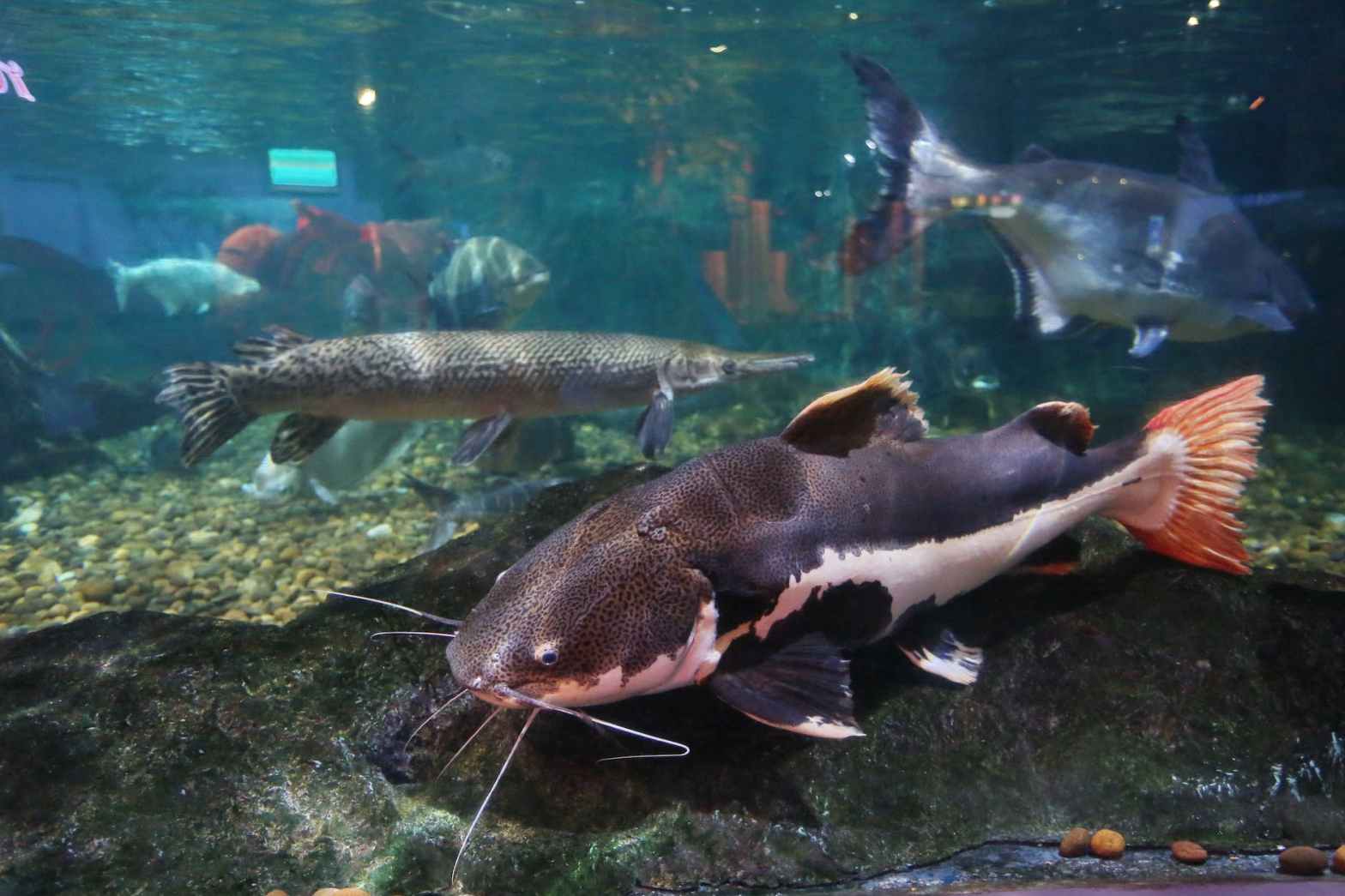
Revolutionizing Water Quality Monitoring: A Breakthrough Biosensor for Freshwater Ecosystems

Biodegradable waste from plant and animal sources poses a looming threat to the delicate balance of freshwater ecosystems.

As this issue continues to grow, the need for efficient methods to monitor water quality becomes paramount. However, the complexity and exorbitant costs associated with current assessment techniques have hindered progress.

Fortunately, a ray of hope emerges as a team of dedicated researchers unveils a groundbreaking innovation – a self-sustaining and buoyant biosensor crafted from inexpensive carbon-based materials.

This pioneering biosensor promises a practical and effective solution to monitor water quality at the inlets of freshwater lakes and rivers.

Traditionally, monitoring water quality has been a laborious and pricey undertaking, often resorting to complex methodologies.

These approaches require substantial resources, both in terms of financial investment and technical expertise. Consequently, smaller water bodies and remote areas have been left behind in the quest for adequate monitoring.

However, the advent of this novel biosensor brings a glimmer of hope by offering a viable alternative that democratizes water quality assessment.

Constructed using cost-effective carbon-based materials, the recently developed buoyant biosensor marks a significant leap forward in monitoring freshwater ecosystems.

By harnessing advanced technologies, the researchers have successfully created a self-sustaining device that autonomously measures critical water quality parameters.

This includes monitoring organic matter levels originating from plant and animal sources, which pose a considerable threat to aquatic life.

The biosensor’s innovative design comes with several advantages that set it apart from existing methodologies.

Firstly, its lightweight and buoyant nature make it an ideal tool for monitoring water quality at the inlets of freshwater lakes and rivers. By strategically deploying these sensors in key locations, the biosensor can capture real-time and accurate data, enabling scientists to take swift action when deterioration in water quality is detected.

Another notable advantage lies in the affordability and simplicity of the biosensor’s construction. Leveraging inexpensive carbon-based materials as the building blocks, the biosensor operates as a low-cost and widespread solution.

This cost-effectiveness paves the way for widespread implementation, transcending spatial and financial barriers and bringing water quality monitoring within reach for communities around the globe.

The introduction of a self-sustaining and buoyant biosensor holds significant promise for the future of water quality monitoring.

Beyond its initial purpose, this innovative device may also serve as a catalyst for further scientific exploration, driving advancements in environmental science and sustainable development.

Moreover, this breakthrough opens the door for collaboration among researchers, policymakers, and local communities to collectively address the growing challenges in safeguarding freshwater ecosystems.

As biodegradable waste continues to jeopardize the health of freshwater ecosystems, the urgent need for reliable and accessible water quality monitoring becomes more pressing than ever.

With the introduction of the self-sustaining and buoyant biosensor, developed using inexpensive carbon-based materials, the path to comprehensive water quality assessment becomes clearer.

This extraordinary innovation not only offers a practical solution to the complex problem of monitoring, but it also empowers communities worldwide by placing vital environmental data at their fingertips.

Edited by Zeng Han-Jun
Written by Juliana Rodriguez

Tapping Into Europe’s Potential: Reducing Food Loss and Waste for a Sustainable Future

In recent years, the quest for a sustainable and efficient food system has gained significant momentum.

With the increasing awareness of the environmental impact of global food production and the pressing need to combat climate change, exploring innovative solutions has become paramount.

Today, we delve into an exciting development highlighting the potential of European countries to reduce the demand for global food resources and the associated greenhouse gas (GHG) footprint.

By envisioning a future where food loss and waste are significantly reduced along Europe’s food supply chain, researchers have shed light on the tremendous climate footprint savings that can be achieved by 2030.

In a world grappling with food scarcity and environmental concerns, any opportunity to improve the food ecosystem becomes noteworthy.

Recent calculations have revealed that Europe possesses a remarkable potential for sustainability by curbing food loss and waste.

By reducing these inefficiencies by 50% within the next decade, Europe could make a substantial dent in the demand for global food resources, thus easing the pressure on our planet and climate.

The reductions in food loss and waste would have a twofold impact: mitigating the adverse effects of climate change and enhancing food security.

The intricate food supply chain in Europe, comprising production, processing, distribution, and consumption, often contributes to significant inefficiencies.

By addressing these gaps and streamlining the journey of food from farm to plate, we can significantly minimize the wastage and its resulting emissions.

One of the key advantages of this approach lies in its potential to curb greenhouse gas emissions.

The food system is responsible for a substantial portion of global emissions, and tackling food loss and waste offers a unique opportunity to make significant strides in reducing this impact.

By implementing measures to prevent spoilage, adopting efficient storage and transportation systems, and encouraging responsible consumption practices,

European nations can contribute to a tangible reduction in the carbon footprint associated with food production.

Moreover, by optimizing the food supply chain, Europe would also enhance its food security and bolster resilience in the face of future challenges.

As global population growth continues to strain existing resources, ensuring that food reaches those in need becomes paramount.

By reducing waste, we can effectively redistribute surplus food to vulnerable communities, thus combatting hunger and promoting greater food equity.

While the potential benefits of reducing food loss and waste are undeniable, a strategic and concerted effort from all stakeholders will be necessary to achieve the desired impact.

Collaboration among governments, farmers, food manufacturers, distributors, retailers, and consumers is crucial to implementing policies and practices that foster sustainable food management throughout the supply chain.

Investments in technology, infrastructure, and education will play pivotal roles in driving these changes.

From utilizing advanced analytics to predict supply and demand, to implementing better storage and transportation systems, to raising consumer awareness and encouraging responsible choices, there are numerous avenues to be explored.

Embracing innovation and adopting sustainable practices will pave the way for a more resilient and efficient food future in Europe.

As Europe takes center stage in the pursuit of a sustainable and climate-conscious world, the reduction of food loss and waste emerges as a powerful catalyst for change.

With the potential to significantly decrease the demand for global food resources and their associated greenhouse gas footprint, Europe has an unparalleled opportunity to lead the charge towards a more sustainable future.

Edited by Zeng Han-Jun
Written by Juliana Rodriguez

Harnessing Car Engine Heat: A Sustainable Solution for Underground Car Parks

In bustling cities around the world, underground car parks are an essential component of urban infrastructure. Not only do these parking spaces provide convenience for motorists, but recent research indicates that they also contribute to the sustainable generation of energy.

In a groundbreaking study conducted in Berlin, scientists have discovered that the heat emitted by car engines in these underground facilities has the potential to warm groundwater, consequently impacting its quality.

However, with innovative methods like geothermal energy and heat pumps, this excess heat can be efficiently extracted, providing a sustainable solution to address the ongoing challenge.

Underground car parks naturally tend to become warm due to constant vehicle movement and the heat generated by car engines.

These elevated temperatures cause the heat to transfer through the ground and eventually reach the groundwater. Astonishingly, research reveals that in Berlin alone, the heat emitted by car engines in underground car parks can effectively heat water for a staggering 14,660 households.

This impressive potential for energy transfer highlights an untapped avenue for environmentally friendly heating solutions.

While the warming of groundwater may seem beneficial at first glance, it is essential to recognize the potential long-term effects on its quality. The increase in temperature could have a direct impact on the natural ecosystem that relies on stable water conditions.

Changes in water temperature can disrupt aquatic life cycles, impacting the flora and fauna that depend on such ecosystems.

Therefore, it becomes imperative to consider sustainable methods to harness this excess heat without compromising groundwater quality.

The aforementioned research also proposes a viable solution to effectively utilize the excess heat generated in underground car parks.

Geothermal energy, a renewable energy source derived from heat trapped within the Earth’s core, offers immense potential for sustainable solutions.

By integrating heat pumps into the system, the heat from the groundwater can be harnessed and utilized efficiently. Heat pumps work by transferring heat from a lower temperature source to a higher temperature target, making them ideal for extracting and utilizing the latent warmth present in the groundwater.

Adopting the implementation of geothermal energy and heat pumps in underground car parks brings numerous advantages.

Firstly, it offers a tangible solution to reduce reliance on traditional heating systems that often contribute to harmful emissions. By tapping into the Earth’s natural heat, we can substantially decrease energy consumption and minimize our carbon footprint.

Additionally, a successful implementation would ensure the preservation of groundwater quality, safeguarding a vital natural resource for current and future generations.

The discovery that car engine heat in underground car parks has the potential to warm groundwater and supply energy to thousands of households is remarkable.

However, we must be conscious of the long-term consequences for groundwater quality. By embracing innovative green technologies such as geothermal energy and heat pumps, we can extract this excess heat responsibly, ensuring a sustainable and environmentally conscious approach.

As we move towards a future driven by renewable energy, it is imperative to explore untapped resources wisely, harnessing their potential while safeguarding the delicate balance of our ecosystems.

Edited by Zeng Han-Jun
Written by Juliana Rodriguez

Ionosphere’s Impact on Geomagnetic Storms

Large geomagnetic storms have long been known to disrupt radio signals and GPS, with potential consequences ranging from communication failures to compromised navigation systems.

A recent groundbreaking study has shed light on an underappreciated catalyst in the development of these storms: the ionosphere.

This region of Earth’s upper atmosphere, abundant with ions and free electrons, plays a crucial role in understanding the interactions that give rise to these disruptive events.

The ionosphere, situated above the Earth’s lower atmosphere, is a dynamic region influencing various aspects of our lives, despite its often unnoticed presence.

Composed of charged particles created by solar radiation, this atmospheric layer is crucial for long-distance communication, navigational systems, and even meteorology.

Its significance lies in its ability to reflect, refract, and absorb electromagnetic waves, ultimately shaping radio propagation and satellite communications.

In the quest to comprehend the mechanisms underlying large geomagnetic storms, scientists and researchers have historically focused on studying the Earth’s magnetosphere and the sun’s activities.

However, recent studies have uncovered a crucial missing link in this narrative – the ionosphere. Previously underestimated, its dynamic interplay with the magnetosphere and the effects of solar activity are now showcased as key factors in amplifying the disturbance caused by these storms.

Geomagnetic storms originate from disturbances on the sun’s surface, such as solar flares or coronal mass ejections, which release vast amounts of charged particles into space.

These charged particles interact with the Earth’s magnetic field, resulting in complex interactions that trigger a cascading series of events leading to geomagnetic storms.

While the role of the magnetosphere is well-established, the newfound importance of the ionosphere in this process has given researchers fresh insight into our planet’s response to space weather.

The discovery of the ionosphere’s significant role in geomagnetic storms brings with it the potential for enhanced predictive capabilities.

By monitoring the ionosphere’s behavior and its response to solar disturbances, scientists hope to refine their ability to anticipate the intensity and impact of upcoming storms.

This knowledge could prove invaluable in safeguarding critical communication networks, satellite operations, and GPS systems, enabling proactive measures to mitigate potential disruptions.

The ionosphere has long been underestimated as a contributing player in the development of geomagnetic storms.

However, recent research illuminates its critical role in amplifying the disruptive effects of these events on radio signals and GPS systems.

By understanding and monitoring the behavior of this dynamic upper atmospheric region, scientists aim to improve prediction models, allowing for better preparedness and mitigation strategies in the face of impending storms.

Edited by Zeng Han-Jun
Written by Juliana Rodriguez

Uncovering the Remarkable Relationship Between Large Herbivores and Tree Cover

In a ground-breaking research endeavor, a dedicated team of scientists has harnessed the power of global satellite data to delve into the intriguing world of tree cover within our precious protected areas.

Their findings shed light on a compelling correlation between the presence of abundant large herbivores and the variability of tree cover.

This captivating study promises to unravel the intricate dynamics that foster biodiversity and underscores the importance of preserving and nurturing our fragile ecosystems.

Through meticulous analysis of satellite data, the research team meticulously documented and mapped the tree cover across various protected areas worldwide.

Armed with this comprehensive understanding, they set out to examine the factors contributing to the variability of these forests.

The outcomes of their investigation yielded invaluable insights, informing us of a remarkable discovery that holds profound implications for biodiversity conservation efforts.

It comes as no surprise that regions boasting plentiful populations of large herbivores have emerged as key players in shaping the variability of tree cover.

These magnificent creatures, including elephants, rhinoceroses, and bison, have a profound impact on their local ecosystems.

Their foraging behaviors, such as browsing, trampling, and seed dispersal, have far-reaching consequences for the composition and structure of forests.

The research team unearthed compelling evidence to support the notion that regions with abundant large herbivores exhibit a more diverse tree cover.

By feeding on preferred plant species, these herbivores create gaps in the forest canopy, allowing sunlight to penetrate the forest floor.

This action promotes the growth of understory vegetation, leading to a richer and more varied ecosystem.

The heightened levels of biodiversity resulting from these interactions create a dynamic habitat that supports a wider array of plant and animal species.

Furthermore, the study establishes a correlation between the presence of large herbivores and the resilience of forests in the face of disturbances such as fire and climate change.

The variability in tree cover induced by these colossal herbivores ensures the adaptability of ecosystems, enabling them to withstand environmental challenges.

This finding is of utmost importance in a rapidly changing world, where safeguarding biodiversity and promoting ecosystem resilience are paramount.

Understanding the intricate relationship between large herbivores and tree cover variability underscores the necessity of implementing comprehensive conservation strategies.

By recognizing the pivotal role played by these majestic creatures, conservationists and policymakers can devise management plans that prioritize the preservation of both the herbivore populations and the protected areas they inhabit.

The mapping of global tree cover within protected areas has yielded groundbreaking insights into the connection between large herbivores and the variability of forests.

By unraveling this hidden correlation, the research team has highlighted the instrumental role of these animals in shaping ecosystems and fostering biodiversity.

Armed with this knowledge, we are entrusted with the responsibility to redouble our efforts in safeguarding these unique habitats, maintaining the delicate balance that sustains life on our planet.

Edited by Zeng Han-Jun
Written by Juliana Rodriguez

The Future of Self-Sufficient European Homes: A Sustainable Revolution

As the world grapples with the need for sustainable energy solutions, a recent study has shed light on the potential for European homes to become self-sufficient in meeting their energy needs.

According to researchers, over half of freestanding homes in Europe could have relied solely on local rooftop solar radiation for their energy consumption in 2020, and this percentage is projected to soar even higher by 2050.

The study suggests that in 2020, an impressive 53% of European freestanding homes possessed the technical capacity to generate all the energy they required through local rooftop solar radiation alone.

This reflects the immense untapped potential of utilizing solar power to meet our energy needs.

By capitalizing on advancements in solar technology, the feasibility of self-sufficiency could rise to a staggering 75% by 2050.

However, while the technical feasibility of self-sufficiency may be within reach, the economic advantage for individual households to embrace complete energy independence remains limited at present.

In fact, the study indicates that the costs associated with achieving self-sufficiency are often comparable to staying connected to the grid.

Researchers estimate that only 5% (two million) of Europe’s 41 million freestanding single-family homes could find self-sufficiency economically viable by 2050, even if these households are willing to pay up to 50% more than the cost of remaining grid-dependent.

Various factors contribute to the economic feasibility of self-sufficiency for European households.

The availability and quality of rooftop solar exposure, government policies and incentives, and the prevailing cost of grid electricity are all crucial considerations.

Additionally, advancements in renewable energy technologies and potential reductions in their costs could significantly impact the future economic viability of self-sufficient homes.

While economics plays a substantial role, it’s important to consider the broader benefits that home self-sufficiency can offer.

By reducing reliance on the grid, self-sufficient homes contribute to a greener future by minimizing carbon emissions and combating climate change.

Furthermore, self-sufficiency enhances a household’s resilience by providing energy independence during grid disruptions or power outages.

The transition towards self-sufficient homes in Europe will require a collaborative effort among governments, energy providers, and homeowners.

Governments can incentivize self-sufficiency through favorable policies, subsidies, and regulatory frameworks that promote the adoption of renewable energy systems.

Energy providers can facilitate access to advanced solar technologies, while homeowners can embrace the long-term benefits of self-sufficiency and take advantage of available incentives.

The study’s findings highlight the significant potential for European freestanding homes to become self-sufficient in meeting their energy needs, predominantly through the use of rooftop solar radiation.

While the economic viability of self-sufficiency is currently limited, advancements in technology and supportive policies could make it a more feasible option in the future.

By moving towards self-sufficiency, Europe can embrace a truly sustainable energy model that not only benefits the environment but also enhances resilience and independence.

Edited by Zeng Han-Jun
Written by Juliana Rodriguez

Exploring the Potential of Formic Acid: A Breakthrough in Fast-Charging Biohybrid Battery Systems

When it comes to development of alternative energy solutions, formic acid has emerged as a highly promising energy carrier. Recent advancements in electrochemical processes have led to the development of a novel fast-charging hybrid battery system.

This groundbreaking system combines the electrochemical generation of formic acid with the capabilities of a microbial fuel cell, opening doors to various potential applications, including the monitoring of drinking water toxicity.

Formic Acid: An Energy Carrier of the Future

Formic acid (HCOOH) has gained considerable attention due to its unique properties as an energy carrier. Produced electrochemically from carbon dioxide, formic acid offers several advantages. It is a safe and non-toxic compound, easily stored and transported, making it an ideal candidate for energy storage.

The Fast-Charging Biohybrid Battery System

A research team has recently introduced an inspiring advancement that merges the electrochemical generation of formic acid with a microbial fuel cell, leading to the development of a fast-charging biohybrid battery system. This impressive innovation aims to revolutionize energy storage and has the potential to transform various industries.

The Integration of Electrochemistry and Microbial Fuel Cells

The fast-charging biohybrid battery system functions through the integration of two key elements: electrochemistry and microbial fuel cells. The electrochemical generation of formic acid utilizes carbon dioxide as a feedstock. Electrons harvested during this process are transferred to the microbial fuel cell, where microorganisms oxidize organic compounds, producing additional electrons. This symbiotic relationship leads to a continuous cycle of energy generation, significantly enhancing the efficiency of the battery system.

Monitoring Drinking Water Toxicity and Beyond

While the potential applications of this biohybrid battery system are vast, one notable use case is the monitoring of drinking water toxicity. Traditional methods often prove time-consuming, complex, and costly. The integration of formic acid and microbial fuel cells offers a rapid and efficient solution. By judiciously monitoring changes in the biohybrid battery system’s performance when exposed to water samples, researchers are able to quickly assess the toxicity levels, ensuring safe drinking water for all.

The development of this fast-charging biohybrid battery system represents a significant step toward achieving a sustainable future.

The use of formic acid as an energy carrier, combined with the power of microbial fuel cells, holds tremendous promise for solving various energy storage challenges.

From environmental monitoring to clean transportation and beyond, this innovative system has the potential to reshape our energy landscape.

The emergence of the fast-charging biohybrid battery system is a testament to human ingenuity and our determination to find greener, more efficient energy solutions.

Through the integration of formic acid production and microbial fuel cells, a new era of energy storage has begun.

With the ability to revolutionize diverse industries and contribute to the betterment of society, this biohybrid battery system sets the stage for a sustainable future powered by the boundless potential of formic acid.

Edited by Zeng Han-Jun
Written by Juliana Rodriguez

Design a site like this with WordPress.com
Get started