
Exploring the Impact of Rising Temperatures on Isoprene Emissions: A Closer Look at Nature’s Balancing Act

In a world grappling with climate change challenges, scientists have intensified their efforts to uncover the intricate dynamics between our environment and its inhabitants.

Amidst this quest for knowledge, a recent groundbreaking study has shed light on the increased emission of isoprene by plants, particularly oak and poplar trees, as global temperatures continue to soar.

This compounds’ dual role in both aiding plants’ adaptability and exacerbating air pollution has piqued the scientific community’s interest, prompting crucial insights into the consequences of heightened isoprene emissions.

We attempt to explain briefly the findings of this new research, its implications, and how it could potentially contribute to an enhanced understanding and management of this compound’s footprint on our planet.

Isoprene, a volatile organic compound produced by various plant species, plays a significant role in the Earth’s atmosphere.

As the second-largest contributor of hydrocarbons after methane, isoprene holds a crucial position in the intricate web of chemical reactions impacting air quality.

While isoprene is fundamentally beneficial for plants’ survival and ability to endure insect pests and high temperatures, its reaction with nitrogen oxides from automobile and coal-fired power plant emissions can intensify air pollution woes.

The recent publication highlights the correlation between rising global temperatures and the amplified emission of isoprene by oak and poplar trees.

As temperatures climb, these trees respond by generating higher amounts of isoprene. This research successfully uncovers an essential piece of the puzzle as it pertains to global warming’s potential influence on isoprene emissions.

By dissecting the intricate relationship between temperature and plant behavior, scientists provide a clearer lens into the future trajectory of isoprene’s impact on our atmosphere.

In light of the study’s findings, concerns surrounding air pollution necessitate our attention.

When isoprene reacts with nitrogen oxides, it contributes to the formation of ground-level ozone, a harmful air pollutant.

This not only poses risks to human health but also aggravates ecological systems. By comprehending the patterns of isoprene emissions under different temperature scenarios, scientists and policymakers can devise strategies to mitigate the amplified effects of such reactions, thus combating rising air pollution.

Through further analysis of plant behavior, exploration of alternative plant species, and advancements in technology, researchers are better equipped to comprehend, predict, and potentially mitigate the consequences of increased isoprene emissions associated with global warming.

Armed with this new knowledge, scientists, policymakers, and conservationists can collaboratively develop innovative strategies aimed at reducing air pollution while preserving the vitality of our ecosystem.

The recent research on isoprene emissions from oak and poplar trees in relation to rising global temperatures unveils critical insights into the intricate balance between nature and human-induced changes.

By comprehending the impact of isoprene on air pollution caused by the interaction with nitrogen oxides, we can strive to strike a harmonious equilibrium that safeguards both the robustness of our plant life and the overall health of our planet.

Through further exploration and concerted efforts, we forge a path towards a sustainable future, where scientific knowledge serves as a catalyst for positive change in our endeavors to combat climate change and preserve the delicate balance of our environment.

Edited by Zeng Han-Jun
Written by Juliana Rodriguez

Uncovering the Dual Nature of Natural Rock Weathering, A Surprising CO2 Source

Regarding Earth’s carbon cycle, we are constantly unraveling new mysteries that shape our understanding of how CO2 levels fluctuate in the atmosphere. With recent breakthroughs in scientific research, a long-held belief is being challenged.

The traditional view that natural rock weathering acts solely as a carbon sink, keeping our planet’s atmosphere in check, has taken an astonishing turn.

It turns out that natural rock weathering can also serve as a significant CO2 source, even rivaling the emissions of mighty volcanoes.

For decades, scientists believed that natural rock weathering played a crucial role in regulating CO2 levels by serving as a carbon sink.

Over time, as rocks on the Earth’s surface naturally break down due to exposure to rainwater, they react chemically with carbon dioxide, effectively removing it from the atmosphere.

This process was seen as a natural ally in countering the escalating levels of CO2 associated with human activities.

However, recent research has overturned this long-established notion, revealing an unexpected twist. It appears that natural rock weathering can simultaneously act as a significant CO2 source.

Unlike the conventional understanding, certain types of rocks, when subjected to weathering, can release substantial quantities of carbon dioxide into the environment.

Surprisingly, these emissions are as sizeable as those produced by volcanic activity, which has traditionally been deemed a major contributor to atmospheric CO2.

To comprehend this paradoxical duality, scientists have been diligently examining the mechanisms that drive natural rock weathering.

When particular types of rocks, such as basalts or serpentinites, undergo weathering, they release alkaline substances into the surrounding environment.

These alkaline substances then react with atmospheric CO2, leading to both the absorption and release of carbon dioxide.

On the one hand, the alkaline substances serve as a carbon sink as they soak up CO2 through chemical reactions. On the other hand, the same process also releases CO2 back into the atmosphere, exhibiting the intricate and intriguing nature of natural rock weathering.

The revelation that natural rock weathering can act as a CO2 source raises intriguing questions and has significant implications for our understanding of Earth’s carbon cycle and its influence on climate change.

By shedding light on this dual nature, scientists can now refine climate models to more accurately account for the complex interplay between natural processes and CO2 levels.

Furthermore, this discovery prompts a reassessment of the potential role that natural rock weathering plays in climate change mitigation strategies.

While it is not yet clear whether the net effect globally is that of a carbon sink or source, the balance between CO2 absorption and release through rock weathering warrants further investigations and observations.

The ever-evolving field of environmental science continues to amaze us with unexpected revelations. The prevailing notion that natural rock weathering acted solely as a carbon sink has been debunked, replaced by the realization that it also serves as a significant CO2 source.

This dual nature highlights the profound complexity of Earth’s carbon cycle and its intricate role in shaping climate patterns.

As researchers continue to explore this phenomenon, it is essential to embrace these new findings and incorporate them into our understanding of climate change processes.

Edited by Zeng Han-Jun
Written by Juliana Rodriguez

The Impact of Hot Weather on Worker Productivity: Why Air Conditioning Alone May Not Be Enough

As the scorching heat of summer approaches, many workers find themselves longing for the cool comfort of air-conditioned offices.

However, what if it turned out that even in temperature-controlled environments, hot weather can still negatively impact productivity?

We will explore the surprising ways in which excessive heat affects the productivity of workers, debunking the myth that air conditioning alone is the remedy.

1. Understanding the Influence of Temperature on Productivity:

Researchers have long acknowledged the correlation between temperature and human performance. The optimal temperature for most individuals lies within a narrow range, typically between 20-22 degrees Celsius (68-72 degrees Fahrenheit). However, when the mercury rises significantly above or below this threshold, our performance can suffer.

2. Cognitive Impact of Heat:

High temperatures can impair cognitive function, making it difficult for workers to concentrate, solve problems, and make critical decisions. Studies have shown that as the heat index rises, individuals experience reduced attention spans and increased errors. This decline in cognitive abilities directly translates to decreased productivity and efficiency in the workplace.

3. Physical Discomfort and Heat Stress:

Beyond the cognitive impact, hot weather brings physical discomfort that can hinder job performance. Heat stress can cause fatigue, dehydration, and even heat stroke, leading to decreased overall well-being and productivity. Even in air-conditioned workplaces, if employees are subjected to excessive heat during their commute or breaks, their bodies may struggle to readjust to the controlled environment, further affecting their efficiency.

4. Disturbed Sleeping Patterns:

Hot weather can disrupt sleep patterns, leaving employees feeling groggy and less focused during their working hours. Poor sleep quality, coupled with the discomfort caused by heat and humidity, can lead to decreased alertness and reduced problem-solving skills. These consequences directly hamper workers’ productivity and their ability to perform at their best.

5. Mitigating the Effects of Hot Weather:

While air conditioning is undoubtedly beneficial, its impact is not foolproof if it does not address all aspects of hot weather effects. Organizations should consider implementing additional measures to counteract the negative impact of heat on worker productivity. These can include investing in proper ventilation, encouraging regular hydration breaks, providing shaded rest areas, and promoting work schedule flexibility during extreme heatwaves.

The impact of hot weather on workers’ productivity extends far beyond the comfort provided by air conditioning.

By recognizing the cognitive, physical, and sleep-related implications of excessive heat, employers can take proactive steps to ensure optimal working conditions.

Prioritizing the well-being of employees by implementing suitable measures to counteract the negative effects of hot weather will not only enhance productivity but also promote a happier and healthier workforce.

By understanding and acknowledging the influence of hot weather on productivity, businesses can navigate the heatwave season with greater effectiveness and ensure their workforce stays engaged and efficient throughout.

Edited by Zeng Han-Jun
Written by Juliana Rodriguez

Enhancing Resilience: Thoughtful Design for Energy Sustainability and Sustainable Neighborhoods

In today’s rapidly changing world, where power disruptions have become an unfortunate reality, the need for sustainable and resilient communities has gained paramount importance.

Engineers and scientists are delving into the concept of thoughtful design to mitigate the energy vulnerability of neighborhoods during these disruptions.

Additionally, they are studying the design characteristics necessary for ensuring the smooth transition of local populations to shelters when the situation demands.

Researchers scrutinize the design and energy characteristics of buildings and neighborhoods to identify the factors that contribute to their vulnerability during power disruptions.

By assessing these vulnerabilities, they aim to build a comprehensive understanding of the potential consequences and develop effective strategies to reduce them.

Moreover, the analysis crucially examines the accessibility of alternative and renewable energy sources, such as solar or wind power, during times of crisis.

To determine the most beneficial response strategies for affected populations, researchers employ various scenarios involving different durations of power disruptions.

By simulating these scenarios, they can study how different design elements and energy solutions perform under varying circumstances.

This comprehensive approach enables them to evaluate the efficacy of potential solutions and identify the most favorable course of action.

Thoughtful design encompasses a range of considerations aimed at increasing the resilience of communities.

It involves incorporating robust energy infrastructure, such as microgrids, which can function autonomously during power outages.

These microgrids can integrate renewable energy sources and smart energy management systems to ensure continuous power supply to critical facilities in the neighborhood, such as hospitals and emergency shelters.

Furthermore, thoughtful design incorporates spatial planning strategies that enhance the walkability and proximity of essential services for residents.

This approach not only reduces the energy required for transportation but also facilitates easier access to support systems during disruptions.

Implementing thoughtful design principles to bolster energy sustainability offers numerous benefits for neighborhoods.

Firstly, it reduces the vulnerability of communities during power disruptions, ensuring a continuous supply of power to critical facilities and households.

Secondly, by integrating alternative and renewable energy sources, neighborhoods become less dependent on traditional energy grids, thus promoting eco-friendly living and reducing carbon emissions.

As the frequency and intensity of power disruptions continue to increase, engineers and scientists are intensively researching how thoughtful design can play a vital role in reducing energy vulnerability and ensuring seamless transitions to shelters during crises.

By examining the design and energy characteristics of buildings and neighborhoods, researchers aim to identify vulnerabilities and access to alternative energy sources.

Through various response scenarios, they determine the most beneficial design characteristics for affected populations, ultimately fostering sustainable and resilient communities.

Embracing thoughtful design principles empowers neighborhoods, creating energy-independent environments that withstand disruptions while minimizing the negative impact on their inhabitants.

Edited by Zeng Han-Jun
Written by Juliana Rodriguez
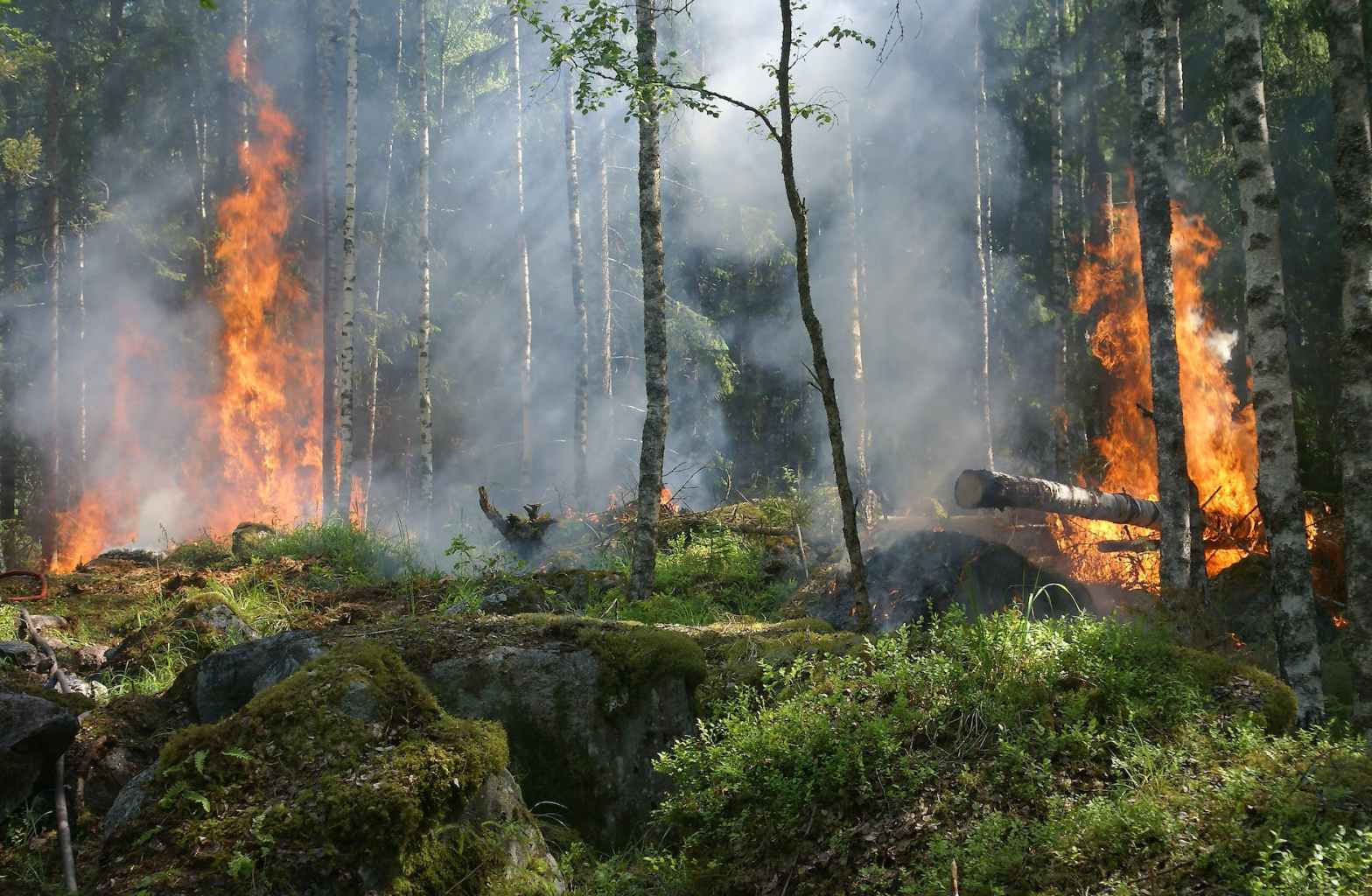
Climate Change Impacts Wildfire Management in the American West

As the threat of wildfires continues to loom large over the American West, climate change presents a new set of challenges for effective wildfire management.

Recent research reveals that the changing climate will significantly impact the ability to safely conduct prescribed fires, a vital tool in mitigating wildfire risks.

According to recent research, climate change is expected to reduce the number of safe days for lighting prescribed fires in the American West by 17%.

Prescribed fires, also known as controlled burns, are carefully planned and managed fires that help reduce fuel loads and restore landscapes, ultimately preventing uncontrolled wildfires.

With fewer safe days available due to climate change, the window of opportunity for implementing these vital fires becomes narrower.

Interestingly, the research also indicates a net increase of 4% in the number of favorable days for conducting prescribed burns during the winter.

This could be seen as a glimmer of hope in managing wildfire risks. However, it is important to note that this alone will not be sufficient.

Strategies and policies must be adapted in response to these changing conditions to make the most of the available opportunities and minimize the risk of destructive wildfires.

To address the challenges posed by climate change, policymakers must take proactive measures that recognize the evolving landscape of wildfire management.

This may include revisiting existing regulations and guidelines surrounding prescribed burns to ensure they align with the changing climate patterns.

Furthermore, it is crucial to foster collaboration between government agencies, private landowners, and local communities to create a comprehensive approach to wildfire management that considers climate change impacts.

As the number of safe days diminishes due to climate change, the availability of skilled firefighters becomes even more critical.

Adequate resources must be allocated to ensure that trained personnel are available to respond to wildfires promptly.

This may involve bolstering recruitment efforts, providing ongoing training, and establishing interagency partnerships to enhance firefighting capabilities and coordination.

Climate change poses significant challenges to the management of wildfires in the American West, particularly in relation to the use of prescribed fires.

While the number of favorable days for conducting these controlled burns may increase slightly during the winter, policy changes and a focus on firefighter availability are imperative to adapt to the changing conditions effectively.

Edited by Zeng Han-Jun
Written by Juliana Rodriguez
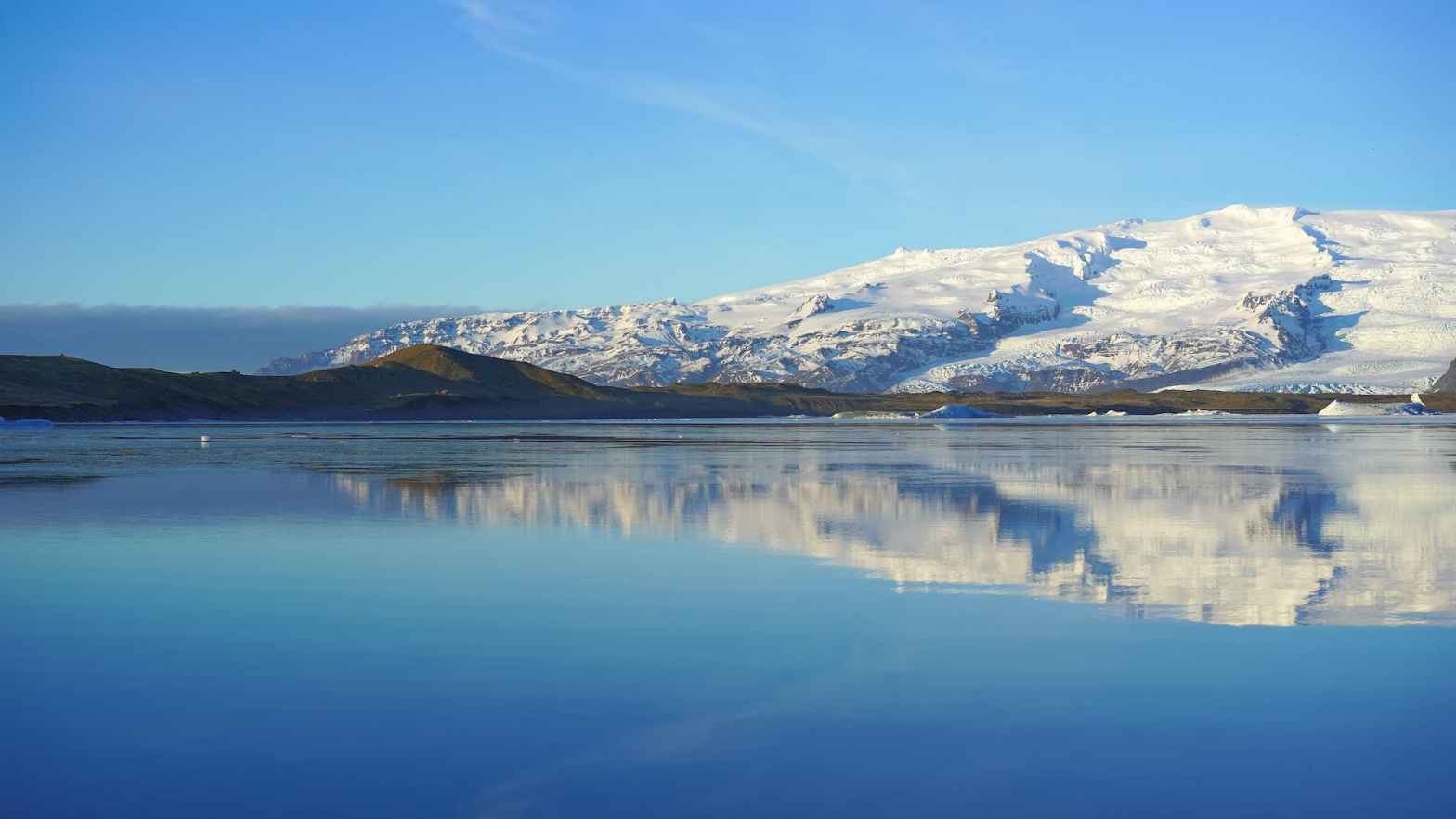
Uncovering Nature’s Frozen Secret: How Particles Shape Arctic Clouds

The Arctic region, with its vast expanse of icy landscapes, has long captivated scientists and environmentalists alike.

In recent years, the alarming rate of climate change in the Arctic has raised concerns worldwide.

However, a groundbreaking new study by an international team of scientists has shed light on a previously unknown aspect of the Arctic climate system — the significant role of biological particles in the formation of ice within Arctic clouds.

These findings not only unravel a natural phenomenon, but also carry profound implications for our understanding of climate science and the rapidly changing Arctic climate.

Within the Arctic’s atmosphere, a complex interplay of factors regulates cloud formation and precipitation.

Until now, the impact of biological particles such as pollen, spores, and bacteria on cloud processes had remained largely unexplored.

However, the recent research by scientists from diverse disciplines has illuminated the significance of these minuscule intruders.

The research team collected samples from Arctic clouds and analyzed them meticulously.

To their surprise, they uncovered a remarkable association between the presence of biological particles and the formation of ice crystals within the clouds.

These particles, thriving in the Arctic’s ecosystems, act as catalysts and nucleation sites around which ice crystals form.

By providing surfaces that facilitate ice growth, these particles contribute to cloud glaciation, affecting cloud properties and ultimately influencing climate patterns.

Understanding the role of biological particles in ice formation within Arctic clouds has profound implications for climate science.

For starters, it challenges the existing climate models, which have largely overlooked this crucial factor.

By incorporating the influence of these particles, scientists can refine their models to better predict Arctic climate changes, including variations in cloud cover, precipitation patterns, and temperature fluctuations.

Additionally, this newfound knowledge highlights the intricate connection between the biosphere and the atmosphere.

Preserving the fragile Arctic environment becomes crucial not only for its inherent ecological value but also for its contribution to global climate dynamics.

The groundbreaking research on the role of biological particles in Arctic cloud physics serves as a catalyst for further investigation.

Scientists will continue to unravel the specifics of this process, seeking to understand the intricacies of particle-cloud interactions and their repercussions on the Arctic climate.

Moreover, the integration of these findings into existing climate models will lead to more accurate projections, enabling policymakers to make informed decisions regarding climate change mitigation and adaptation strategies.

Edited by Zeng Han-Jun
Written by Juliana Rodriguez
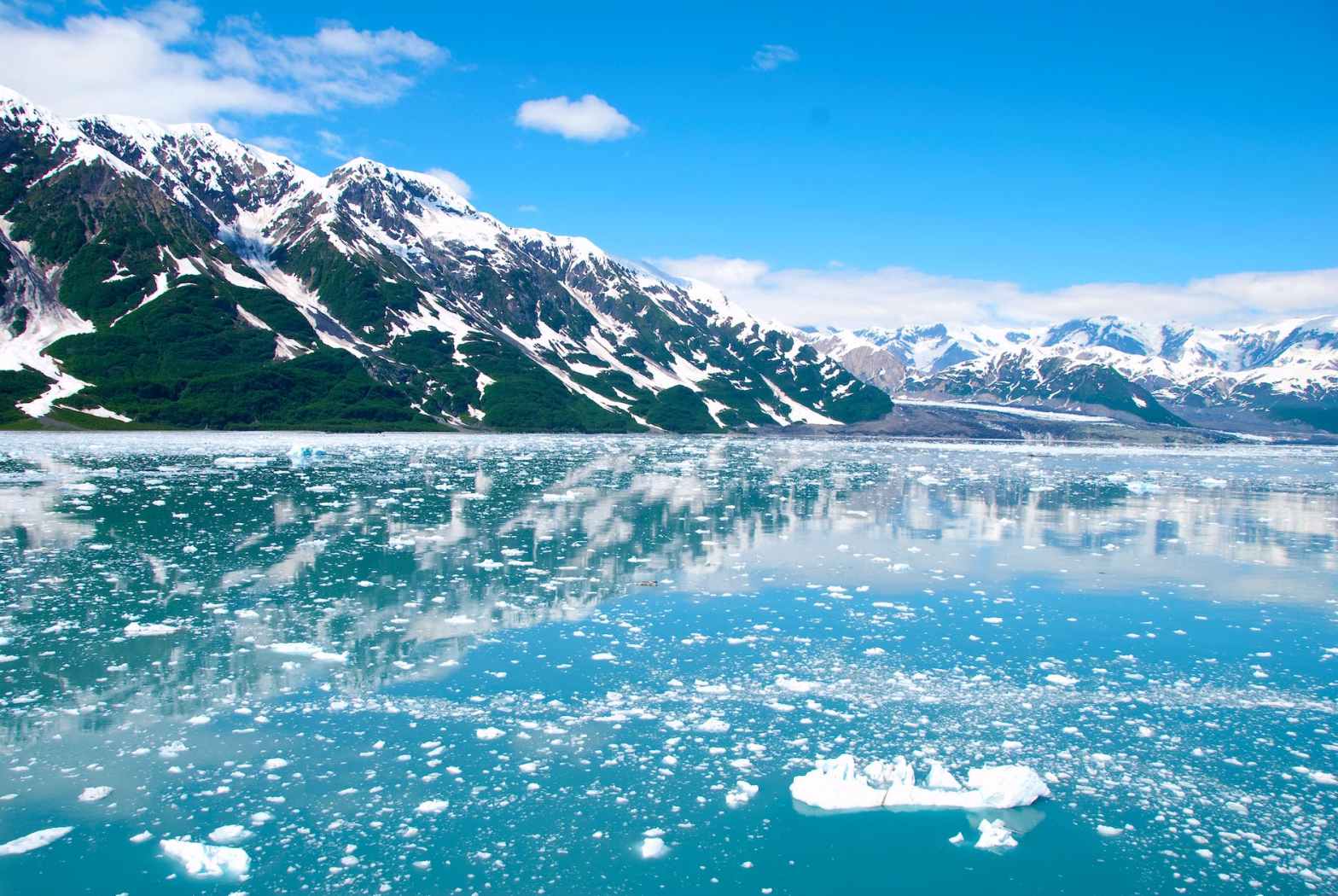
Uncovering the Vanishing Glaciers: Unprecedented Climate Change Consequences

Glaciers, the majestic rivers of ice that shape the Earth’s landscapes, have long been the subject of fascination and scientific inquiry.

However, recent research has brought to light a distressing reality – the loss, stagnation, and transformation of several glaciers across the globe.

Unveiling these staggering revelations, researchers have observed the complete disappearance of certain glaciers. These frozen giants, once formidable and awe-inspiring, have now been reduced to mere memories.

The reasons behind their demise can be primarily attributed to rising global temperatures and the subsequent melting of ice masses.

Another disconcerting observation made by researchers is the stagnation of glaciers that were once vibrant and dynamic.

These colossal ice formations, once flowing languidly, have now almost come to a standstill.

This stagnant state has grave implications for the delicate ecological balance as glacier meltwater significantly contributes to the Earth’s freshwaters systems and influences climate patterns.

Adding to the worrying trend, researchers have identified glaciers that have become diminutive, failing to meet the minimum area requirement of 0.01 square kilometers.

These diminished versions of their former selves reflect the rapid erosion and retreat of these ice masses, as they struggle to sustain their original size and shape.

Further investigations by scientists have unveiled yet another consequence of the changing climate – the appearance of rock glaciers.

These peculiar formations consist of rocky debris housing pockets of ice within the interstitial spaces. Unlike traditional glaciers, these rock glaciers lack the characteristic river-like flow and are primarily attributed to the increasing presence of debris-covered areas due to glacial retreat.

The disappearance, stagnation, and transformation of glaciers have profound ramifications for the global environment.

Beyond their sheer beauty, glaciers serve as vital indicators of climate change and hold great significance in maintaining fragile ecosystems.

The melting of glaciers leads to rising sea levels, alteration of river systems, and disruption of freshwater resources, affecting both human communities and diverse wildlife.

Additionally, the loss of glacial ice reduces the Earth’s ability to reflect sunlight, exacerbating global warming.

The revelations brought forth by scientific research regarding the vanishing glaciers serve as a clarion call for immediate and decisive action to combat climate change.

The disappearance of these ice formations, their stagnant states, their dwindling sizes, and the emergence of rock glaciers are stark reminders of the severe consequences we face due to human-induced global warming.

Edited by Zeng Han-Jun
Written by Juliana Rodriguez

Exploring Japan’s Promising Future in Sustainable Plastic Recycling and Bioplastics Market

Japan, renowned for its technological advancements and innovative spirit, has been at the forefront of research and development in various fields.

In recent years, the country’s focus has shifted towards exploring sustainable solutions to mitigate the global plastic waste crisis.

Researchers in Japan have diligently investigated the potential for more sustainable plastic recycling methods and tapped into the market of bioplastics, aiming to pave the way for a greener future.

With increasing concern about plastic pollution and its detrimental impact on the environment, Japan has stepped up its efforts to address the issue.

A key aspect of this commitment is the development of innovative plastic recycling technologies that highlight resource efficiency and reduced environmental impact.

Researchers have explored novel techniques such as chemical recycling, which focuses on breaking down plastic waste into its original monomers, allowing them to be used as raw materials for new plastic products.

In parallel with sustainable plastic recycling, Japan has recognized the immense potential of bioplastics as a viable alternative to traditional plastics derived from fossil fuels.

Made from renewable resources like plant starch, agricultural waste, or even algae, bioplastics offer a promising solution to reduce the carbon footprint and embrace a circular economy.

Japan has witnessed significant innovation in this field, with researchers working towards enhancing the material’s durability, scalability, and feasibility for commercial applications.

Recognizing the importance of sustainable plastic recycling and the potential of bioplastics, the Japanese government has introduced policies and initiatives aimed at fostering a supportive ecosystem for research, development, and commercialization in these areas.

With increased funding and tax incentives, the government is encouraging collaboration between researchers, industries, and stakeholders to drive advancements in sustainable plastic recycling and the bioplastics market.

While Japan’s progress in sustainable plastic recycling and bioplastics is commendable, challenges still remain on the path towards achieving a fully circular economy.

Issues such as the collection and sorting of plastic waste, technological limitations, and scalability need to be addressed to optimize the impact of these initiatives.

However, with continued efforts, research, and collaboration, Japan is well-positioned to lead the way in innovative solutions for plastic waste management.

Japan’s commitment to sustainable plastic recycling and the flourishing bioplastics market demonstrates its dedication to finding eco-friendly solutions to combat plastic waste.

Through extensive research, strategic government support, and collaborations, Japan is making remarkable progress in its journey towards a greener future.

Edited by Zeng Han-Jun
Written by Juliana Rodriguez

The Gulf Stream’s Decline: Unveiling the Unforeseen Consequences

The world’s oceans are intricately connected systems, governed by numerous factors that drive their circulation patterns and, in turn, regulate global climate.

One of the most crucial of these currents is the Gulf Stream, a powerful conveyor belt of warm water that originates in the Gulf of Mexico and influences weather patterns across the North Atlantic.

However, recent research has unveiled an unsettling truth: the Gulf Stream’s transport of water through the Florida Strait has been noticeably slowing down.

The Gulf Stream has long been recognized as a vital component of the oceanic circulation system, redistributing heat from the tropics to higher latitudes and influencing regional climates.

Its significance extends beyond its immediate vicinity, as alterations in its speed or stability can have far-reaching consequences for global weather patterns.

Thus, when scientists noted a gradual weakening of this mighty current, it sparked concerns and prompted further investigation.

A recent study conducted on the Gulf Stream’s transport through the Florida Strait over the past forty years revealed a troubling trend.

Researchers discovered that the current has experienced a decline of approximately 4%, a shift that goes beyond what could be attributed to natural fluctuations.

In fact, the study’s findings indicate a 99% certainty that the observed weakening is not a result of random chance, but an actual long-term change.

The diminished strength of the Gulf Stream holds significant repercussions for both terrestrial and marine ecosystems, as well as global climate patterns.

The current’s cooling effect on the western European coast, for instance, plays a vital role in maintaining a more temperate climate compared to regions at similar latitudes.

A weakened Gulf Stream could potentially lead to the disruption of this equilibrium, resulting in colder winters or altered precipitation patterns.

Moreover, the immense flow of water carried by the Gulf Stream acts as a vital habitat for numerous marine species.

Changes in its speed and volume may impact the availability of nutrients, influence the migration patterns of marine animals, and even affect the distribution of important fish stocks.

In turn, these alterations could trigger cascading effects throughout the entire marine food chain, with far-reaching consequences for fisheries and coastal communities.

Identifying the precise factors contributing to the Gulf Stream’s decline remains a challenging endeavor, as the oceanic circulation system is a highly complex and interconnected web.

However, scientists have suggested that human-induced climate change and the accompanying increase in greenhouse gas emissions are likely playing a role.

The rise in global temperatures and the subsequent melting of Arctic sea ice have the potential to disrupt the balance of oceanic currents, potentially impacting the Gulf Stream’s strength and stability.

The Gulf Stream’s recent decline is a matter of great concern that demands thorough understanding and close monitoring.

Edited by Zeng Han-Jun
Written by Juliana Rodriguez

The Looming Threat: Unprecedented Heat and the Shadow of the Next Mass Extinction

In the vast expanse of time, Earth has witnessed dramatic shifts in its ecosystems, from the rise and fall of ancient civilizations to the awe-inspiring extinction of the dinosaurs.

While history serves as a reminder of the planet’s inherent volatility, a new study has now unveiled an unsettling projection – unprecedented heat-driven cataclysms that could trigger a mass extinction event within the next 250 million years.

Scientists from various disciplines have long warned us about the perils of climate change.

However, a recent study published in a scientific journal has added a profound dimension to the climate crisis discourse.

It presents evidence that suggests we are standing on the precipice of a catastrophic mass extinction event, similar to the one that eradicated the dinosaurs and wiped out innumerable mammal species over 65 million years ago.

The study indicates that unless we take immediate and decisive action to curb greenhouse gas emissions and mitigate global warming, the Earth will inevitably face a bleak future characterized by extreme heat.

The projections reveal a potentially devastating scenario, with average global temperatures soaring to unprecedented levels within the next few centuries.

If left unchecked, the ramifications of this phenomenon will reverberate across all layers of the Earth’s delicate ecosystems.

Rising temperatures and prolonged heatwaves will actively disrupt habitats, rendering them inhospitable for countless species.

The resulting cascade effect will trigger a substantial decline in biodiversity, potentially leading to the extinction of numerous plant and animal species.

Though all organisms will face immense challenges, mammals are especially vulnerable during periods of heightened temperature.

Scientists believe that conditions similar to the current trajectory could lead to severe mammalian population declines, if not extinction, on a global scale.

The repercussions of such a loss would undoubtedly be far-reaching, disrupting ecological balance and potentially altering the course of evolution itself.

Understanding the urgency of the situation is vital if we are to avert this impending catastrophe.

Edited by Zeng Han-Jun
Written by Juliana Rodriguez

Design a site like this with WordPress.com
Get started