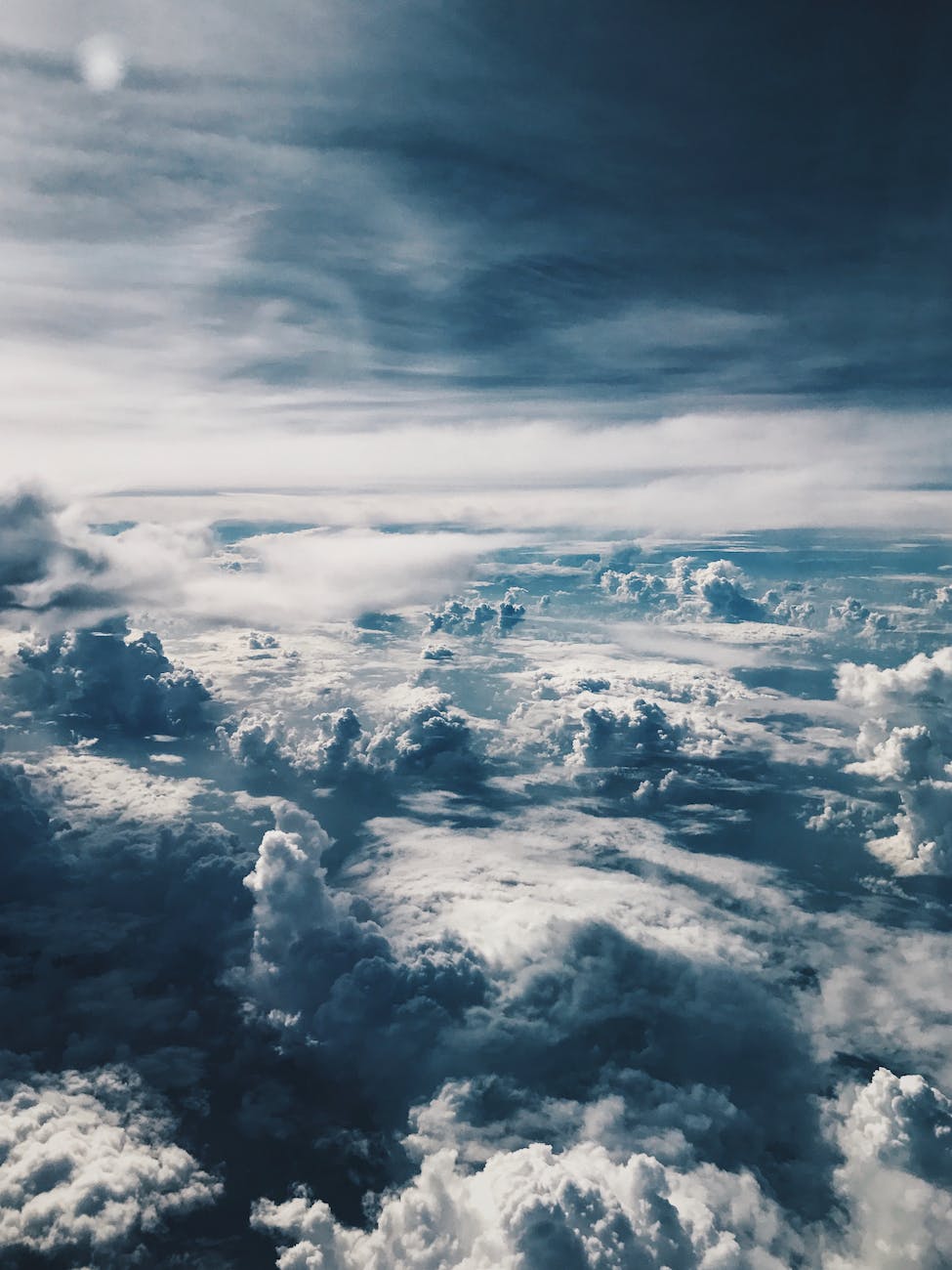
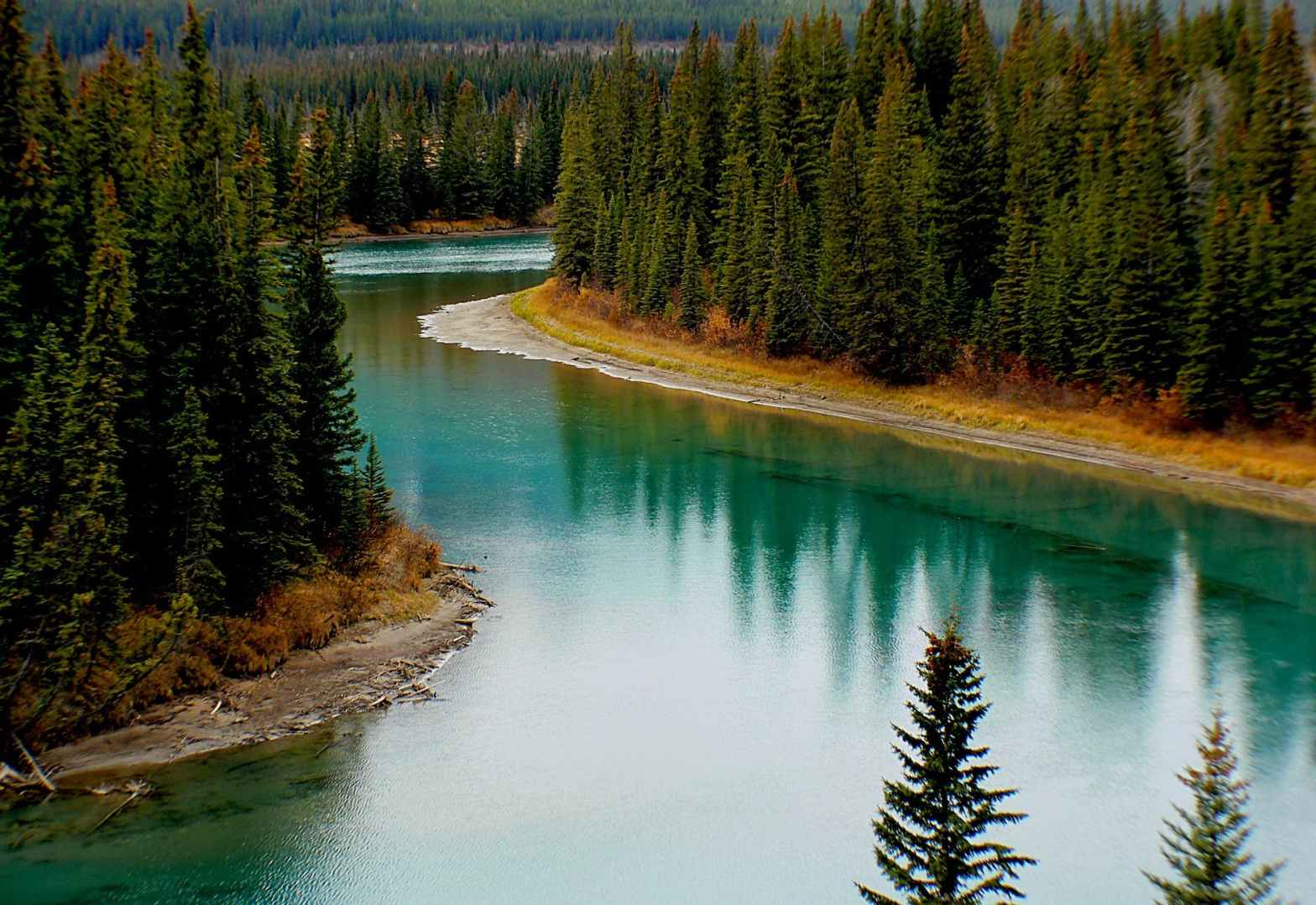
The Pacific Northwest, known for its picturesque landscapes and mild climate, is currently experiencing discernible changes in its weather patterns.
Over the past few decades, summers have become progressively hotter, while winters have witnessed a moderate decrease in cold temperatures.
These shifts have sparked scientific curiosity and led to a recent study that investigates the future trajectory of these changes.
A recently published study sheds light on the climate trends in the Pacific Northwest, offering intriguing findings about the region’s warming summers and milder winters.
The research suggests that while there is noticeable evidence of temperature increase, the atmospheric patterns driving these changes are not projected to amplify in strength or frequency by the end of this century.
The study highlights the need to differentiate between climate shifts and projected variations in atmospheric patterns.
Although rising temperatures have become a discernible feature, it is equally important to explore whether the frequency and intensity of atmospheric patterns will be affected.
This distinction is crucial in comprehending the broader implications of climate change in the Pacific Northwest.
While the observed temperature increase and changing weather patterns demand attention, the absence of projected amplification in atmospheric patterns by the end of the century offers some reassurance.
It implies that although summers may continue to grow hotter and winters remain milder, the Pacific Northwest may not experience more severe storms or extreme weather events on an amplified scale.
However, it is critical to note that this does not undermine the significance of the observed temperature changes. Rising temperatures pose their own challenges.
They impact agricultural practices, water resources, and overall ecosystem dynamics.
Additionally, the shifting climate could affect the regional economy, outdoor recreational activities, and human health. Acknowledging these impacts is vital in devising effective mitigation and adaptation strategies to safeguard the region’s future.
As the Pacific Northwest witnesses a warming trend with hotter summers and milder winters, it is essential to delve into the intricacies of climate change.
Recent studies elucidate that while atmospheric patterns influencing the weather may not strengthen or increase in frequency, temperature shifts are already impacting the region.
Recognizing the potential implications of these changes is vital in shaping environmental policies and promoting sustainable practices.
Edited by Zeng Han-Jun
Written by Juliana Rodriguez






 Terra Link Research