
In recent years, the encroachment of beavers into the Arctic tundra has caught the attention of scientists and environmentalists alike.
These remarkable creatures, famous for their dam-building skills, unwittingly contribute to the release of methane, a potent greenhouse gas, into the atmosphere.
As we delve deeper into the consequences of climate change, understanding the ecological impacts of beavers becomes paramount.
Beavers have the innate ability to manipulate their surroundings through their ingenious dams.
While their actions are beneficial in fostering biodiversity and creating habitats, their presence in the Arctic tundra has uncorked a hidden environmental concern.
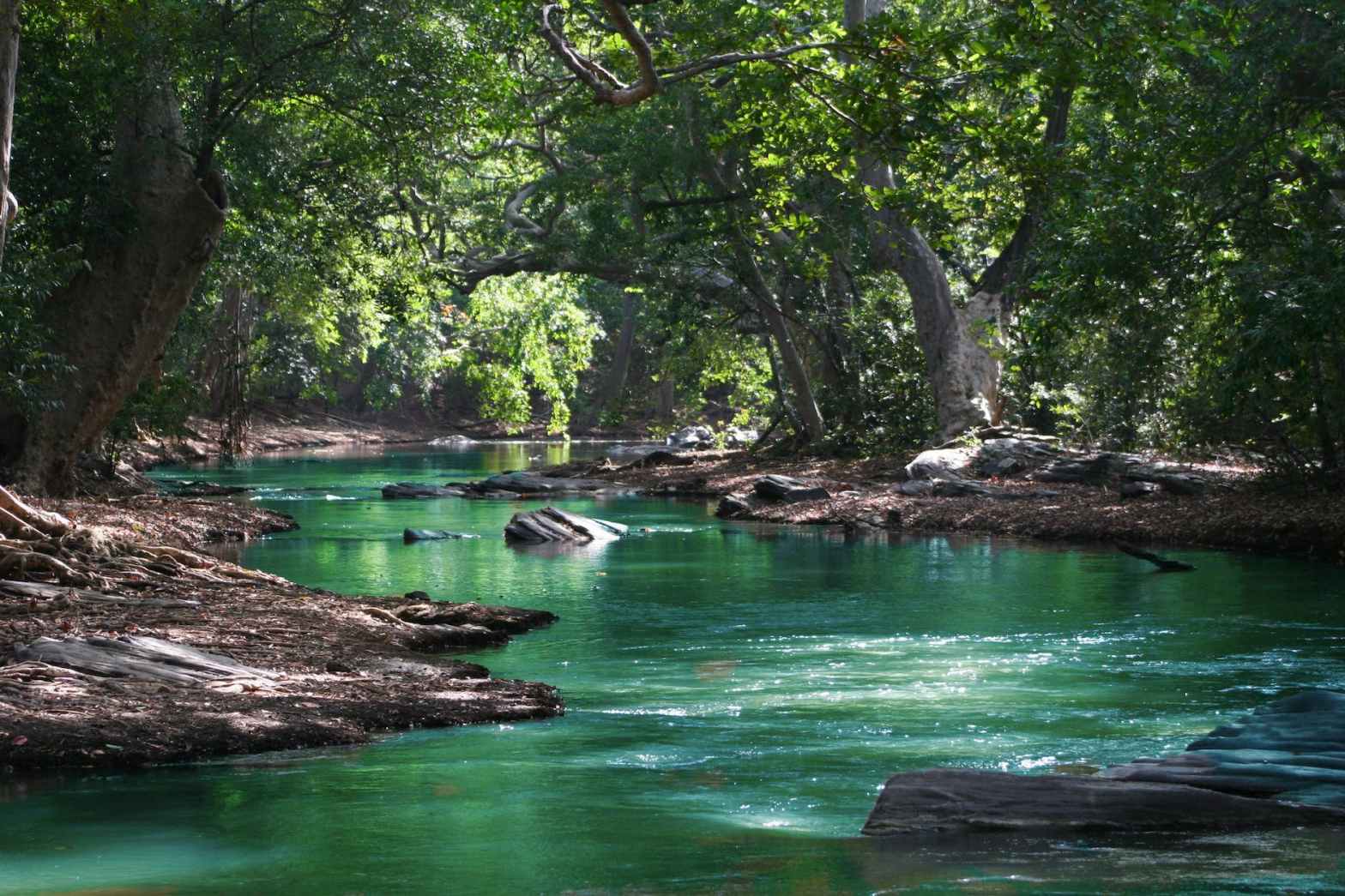
By blocking the flow of water, these dams cause flooding, leading to the inundation of vegetation and replacing previously free-flowing Arctic streams with interconnected ponds.
The transformation of waterways into a series of beaver ponds brings about profound changes to the ecosystem. As the water settles, the surrounding vegetation becomes submerged, creating an environment that lacks oxygen.
This combination of oxygen depletion and the accumulation of organic sediment sets the stage for methanogenesis, the production of methane through microbial decay.
The stagnant, oxygen-deprived conditions within these beaver ponds facilitate the release of methane, which was previously locked within the soil.
Methane, often referred to as a “super greenhouse gas,” possesses a warming potential much higher than carbon dioxide. The increased release of methane due to beaver activity can amplify the greenhouse effect, exacerbating climate change.
While carbon dioxide remains the primary focus of emissions reduction efforts, understanding and mitigating methane emissions from less conventional sources, such as beaver ponds, must be incorporated into our strategies to minimize environmental impact.
The Arctic region is particularly vulnerable to the impacts of climate change. As the permafrost thaws due to rising temperatures, previously trapped methane gas is also released into the atmosphere.
The addition of beaver pond emissions accentuates this ongoing problem. Therefore, it is crucial to grasp the cumulative effect of various methane sources in the Arctic and develop comprehensive plans to curb these emissions.
Addressing this issue requires a multi-faceted approach. While entirely removing beavers from the Arctic tundra is neither feasible nor desirable, managing their populations to minimize the impact on methane emissions could be a practical solution.
Additionally, identifying ways to enhance the oxygenation of beaver ponds and implementing measures to control or redirect water flow may help mitigate the conditions conducive to methane release.
As we explore the intricacies of climate change, it is essential to recognize the unexpected contributors to greenhouse gas emissions.
The expanding presence of beavers in the Arctic tundra and their associated activities create a ripple effect, leading to the release of significant amounts of methane. By understanding the relationship between beaver dams, flooding, and methane emissions, we can work towards ensuring a sustainable coexistence with these fascinating creatures.
Edited by Zeng Han-Jun
Written by Juliana Rodriguez





 Terra Link Research