
The Hidden Truth of Carbon Offsetting

As the urgency to combat climate change intensifies, the use of carbon offset projects has garnered considerable attention.

These projects aim to compensate for greenhouse gas emissions by funding initiatives that purportedly contribute to forest conservation and carbon reduction.

However, recent studies have cast doubt on the effectiveness of such endeavors.

With a meticulous examination of various carbon offset projects, the study of 18 carbon offset projects, exposed the discrepancies between their conservation claims and real-world deforestation levels.

Over 60 million carbon credits were generated by these projects that had little to no significant impact on deforestation reduction.

Essentially, they fell short of offering a credible solution to the pervasive issue of deforestation. The analysis also revealed that out of a potential 89 million credits from these offset schemes, a mere 6%, or 5.4 million credits, could be unequivocally linked to additional carbon reductions through preserved forests.

In the face of mounting concerns surrounding climate change, carbon offset projects have been marketed as an effective means to offset carbon emissions.

However, the study accentuated a gap between the claims made by these projects and the actual outcomes witnessed on the ground.

While investors and individuals may believe they are contributing to the preservation of forests, the reality indicates that only a small fraction of these projects genuinely deliver the expected environmental benefits.

The key issue lies in the inadequate measurement of carbon reductions achieved by these projects.

Many initiatives base their calculations on comparing deforestation rates with hypothetical scenarios, rather than proper benchmarking against real-world deforestation levels.

This methodology has led to the generation of millions of carbon credits that lack substantial evidence of tangible carbon emission reduction, further exacerbating the challenges faced in combating climate change.

To address the shortcomings observed in carbon offset projects, it is crucial for industry stakeholders, governments, and investors to demand greater transparency and accountability.

Clear guidelines and robust monitoring mechanisms should be put in place to ensure that projects not only claim to tackle deforestation but also yield measurable carbon reductions verified by credible benchmarks.

This accountability will help restore faith in carbon offsetting as a meaningful solution in the fight against climate change.

The study’s analysis of major carbon offset projects has revealed significant flaws in their conservation claims. Given the pressing need to reduce greenhouse gas emissions and protect our forests, it is imperative to reassess the effectiveness of these projects.

By demanding greater transparency and accountability, we can ensure that carbon offset initiatives truly contribute to the preservation of forests and the reduction of carbon emissions, ultimately creating a more sustainable future.

Edited by Zeng Han-Jun
Written by Juliana Rodriguez

Unprecedented Heatwave Sweeps Across Europe, Shattering Records

July 2023 is making history as the hottest month ever recorded, with the first three weeks leaving the global population sweltering in an unprecedented heatwave.

As reports highlight the intensity of this scorching period, it becomes evident that the European continent, particularly Italy, has experienced the most extreme exposure to this merciless heat.

With each passing year, the effects of climate change grow more pronounced, manifesting in extreme weather events. The first three weeks of July have solidified this trend, as global temperatures soared to unparalleled heights.

Scientists and meteorologists have revealed that the average temperatures during this period were the highest ever recorded, leaving no doubt about the transformative impact this heatwave carries.

Among the European countries, Italy has been particularly hard-hit, experiencing the highest exposure to this extraordinary heatwave.

The combination of geographical location and local weather patterns has made it a hotbed for scorching temperatures.

Coastal cities like Rome and Naples, along with inland areas such as Florence and Milan, have witnessed temperature spikes beyond historical norms.

The devastating effects of this relentless heatwave have taken a toll on public health and safety. The European population, most notably in Italy, is grappling with soaring heat-related illnesses, strained healthcare systems, and increased mortality rates.

Vulnerable groups, including the elderly and those with pre-existing health conditions, are especially at risk, requiring swift action to ensure their well-being.

As the world battles this extreme heat, it is essential to prioritize short-term adaptation measures to protect vulnerable communities.

Public health initiatives such as awareness campaigns, the provision of cooling centers, and logistical support for heat-related emergencies need immediate implementation. Simultaneously, this heatwave should serve as a wake-up call for robust, long-term climate action.

The scorching heatwave that has gripped the first three weeks of July 2023 is emblematic of our changing climate and the urgent need for decisive action.

Edited by Zeng Han-Jun
Written by Juliana Rodriguez

Understanding the Global Scale of Non-Native Tree Species Invasions: A Combined Analysis of Human and Ecological Factors

Global trade has reached unprecedented levels, contributing to both economic growth and environmental challenges. Among these challenges is the invasion of non-native tree species, which has the potential to disrupt ecosystems and pose threats to native biodiversity.

Recent research has shed light on the combined role of human activity and ecological factors in shaping the global scale of such invasions.

Human activities in global trade hotspots, like maritime ports, can increase the likelihood of non-native tree species invasions.

Additionally, we would also like to highlight the significance of native tree diversity in mitigating the intensity of these invasions.

At the heart of the issue lies the undeniable impact of human activity on the spread of non-native tree species. Human-mediated movements, particularly through global trade routes, have become primary pathways for introducing non-native species into new environments.

Maritime ports, acting as vital hubs for international trade, have been identified as hotspots of non-native tree species invasions due to their substantial traffic and high influx of diverse goods.

Researchers have extensively analyzed the relationship between human activity and non-native tree species invasions, unveiling critical patterns and insights.

Their findings have revealed that increased human activity, frequently associated with these global trade hubs, leads to a higher risk of non-native tree species invasions.

This increased likelihood can be attributed to various factors such as the accidental introduction of seeds or pests via cargo shipments, inadequate screening procedures, and the establishment of new populations aided by suitable environmental conditions.

While the impact of human activity on non-native tree species invasions cannot be underestimated, the research also emphasizes the remarkable role of native tree diversity in mitigating the intensity of these invasions.

Regions boasting a high diversity of native tree species exhibit a greater resistance to the establishment and spread of non-native species.

This is primarily due to a phenomenon known as “biotic resistance,” where the diverse ecosystem can outcompete non-native species, limiting their ability to establish and thrive.

Furthermore, native tree diversity enables ecosystems to provide essential ecological services, such as pollination, nutrient cycling, and habitat provision, contributing to a more balanced and resilient environment.

A healthy and diverse native tree community not only improves ecosystem functioning but also reduces the availability of resources for invasive non-native species, thereby acting as a natural defense against their establishment and spread.

As the world becomes increasingly interconnected, understanding the dynamics of non-native tree species invasions is essential for developing effective management strategies.

Through the combined analysis of human and ecological factors, researchers confirm the link between human activity in global trade hotspots and an increased likelihood of such invasions.

However, it is encouraging to note that the high diversity of native tree species can play a pivotal role in curbing the intensity of these invasions.

Addressing the challenges posed by non-native tree species invasions necessitates collaborative efforts among policymakers, researchers, and environmental organizations.

Increased awareness, robust screening protocols at international ports, and the promotion of native tree diversity are key components in safeguarding ecosystems from the adverse impacts of these invasions.

Edited by Zeng Han-Jun
Written by Juliana Rodriguez

Uncovering the Hidden Threat: The Surging Waters Below Glaciers

Glaciers, majestic ice formations that have captivated humankind for centuries, are now revealing an unsettling secret lurking beneath their stoic exteriors.

Recent research has shed light on a perilous feedback cycle, inextricably linking thinning ice sheets to the surging of water beneath glaciers.

This dangerous phenomenon not only intensifies glacial melt and exacerbates sea-level rise, but also poses significant threats to the delicate balance of the planet’s ecosystems.

A new study has uncovered an unsettling truth – as glaciers continue to thin, the water beneath them experiences surges, setting in motion a complex chain of events.

Scientists have long understood that the melting ice contributes to rising sea levels, but the impact of surging waters beneath glaciers adds an additional layer of concern.

Thinning ice sheets act as a catalyst, triggering a feedback loop that amplifies the rate of glacial melt and intensifies the potential consequences.

As the surging waters below glaciers push against the weakened ice sheets, this newfound pressure hastens the melting process, leading to even thinner ice.

This vicious cycle not only perpetuates the melting but also intensifies it, magnifying the release of freshwater into the oceans.

These rapidly disappearing glaciers, which have been nature’s frozen reserves for centuries, are now contributing to the unsettling rise of sea levels as they add billions of gallons of melted water to the world’s oceans each year.

The consequences of this dangerous feedback cycle extend far beyond the immediate threat of rising sea levels. As coastal regions grapple with the challenge of inundation, the delicate equilibrium of ecosystems faces severe disruptions.

Saltwater intrusion into freshwater systems, loss of critical habitats, and altered currents are just some of the biological disturbances these surging waters bring.

The repercussions are far-reaching, affecting marine life, plant species, and eventually, human communities that depend on these delicate ecosystems for sustenance and protection.

The urgency to address the impacts of these surging waters is paramount. While the complex nature of the problem demands comprehensive strategies, there are steps that can be taken to mitigate the potential damage. Implementing measures that slow down glacial melt, such as reducing carbon emissions and investing in renewable energy sources, is crucial.

Additionally, fostering international collaborations and supporting scientific research can aid in understanding the intricate mechanisms of this feedback cycle and pave the way for innovative solutions.

The revelation of surging waters beneath glaciers adds a new layer of complexity to the already daunting challenge of climate change.

The interplay between thinning ice sheets, glacial melt, and rising sea levels presents significant risks to our planet’s ecosystems and coastal communities.

Edited by Zeng Han-Jun
Written by Juliana Rodriguez

Achieving Net-Zero Emissions – Revolutionizing the Building Industry

The United States has taken a bold step towards combating climate change with its commitment to reaching net-zero emissions by 2050. As part of this ambitious endeavor, it becomes imperative to identify and implement effective strategies that drive substantial reductions in emissions.

Among the high-emission sectors, the building industry emerges as a crucial area where transformative changes are necessary. Researchers have utilized a powerful computational model to envision multiple future scenarios for building energy use in the US.

Their findings indicate that by adopting various measures that address energy demand, such as incorporating electric heat pumps and smart thermostats, the US can drastically decrease building emissions by 91% from their 2005 peak, while simultaneously realizing significant energy cost savings exceeding $100 billion annually.


In the path towards achieving net-zero emissions in the building industry, researchers highlight the significance of adopting a multi-faceted approach. By focusing on demand-side measures, which target how power is drawn from the grid, substantial progress can be made.

These measures encompass the incorporation of cutting-edge solutions, such as electric heat pumps and smart thermostats, along with a range of other technologies aimed at optimizing energy usage within buildings.

Electric heat pumps, for instance, provide a viable alternative to conventional heating and cooling systems, harnessing renewable energy sources like electricity to efficiently control indoor temperatures. Smart thermostats, on the other hand, utilize advanced algorithms and sensors to intelligently monitor and adjust heating and cooling needs, optimizing energy consumption while ensuring occupant comfort.

By prioritizing such demand-side measures, the building industry can realize remarkable emission reductions.


The researchers’ computational model extensively analyzes various future scenarios for building energy use in the US. By incorporating the adoption of electric heat pumps and smart thermostats on a large scale, the study reveals the astounding potential to decrease building emissions by a remarkable 91% compared to their 2005 peak.

This transformative achievement holds the promise of propelling the US towards achieving its ambitious net-zero emissions goal.


Not only does the adoption of demand-side measures offer substantial environmental benefits, but it also presents a compelling case for economic prosperity. The researchers project that by effectively implementing such measures, the building industry can save over $100 billion annually on energy costs.

This significant financial saving translates into tangible advantages for both building owners and occupants, encouraging a more widespread adoption of these technologies and ultimately accelerating the transition to a low-carbon future.


As the US commits to attaining net-zero emissions by 2050, the building industry emerges as a key player in shaping a sustainable future. By embracing demand-side measures, such as electric heat pumps and smart thermostats, the industry can pave the way towards achieving substantial emission reductions.

The researchers’ comprehensive computational model forecasts a remarkable 91% decrease in building emissions from their 2005 peak, coupled with more than $100 billion in annual energy cost savings. These findings underscore the transformative potential of these technologies, presenting a win-win scenario that ensures both environmental and economic gains.

Edited by Zeng Han-Jun
Written by Juliana Rodriguez

Harnessing the Power of Volcanic Rock is A Promising Climate Intervention Strategy for Farmers

Farmers play a crucial role in our world, not only in supplying food and resources, but also in shaping the future of our planet. As climate change continues to pose unprecedented challenges, exploring innovative methods to mitigate its impact becomes increasingly essential.

A recent study suggests that farmers worldwide can contribute to a crucial carbon removal goal set by the Intergovernmental Panel on Climate Change (IPCC) through the incorporation of crushed volcanic rocks into their fields.

This emerging climate intervention strategy offers tremendous potential, particularly in the wet and warm tropics.

Volcanic rocks, rich in minerals such as basalt, possess an inherent ability to absorb carbon dioxide (CO2) from the atmosphere when exposed to weathering processes.

The study unveils the exciting possibility of leveraging this natural phenomenon by finely grinding volcanic rocks into a powder-like consistency and incorporating them into agricultural soils.

As farmers integrate this technique into their traditional farming practices, it not only enhances their crop yields but also aids in driving carbon sequestration, providing a tangible solution to combat climate change.

The study emphasizes that the wet and warm tropics are the most promising locations for implementing this climate intervention strategy.

These regions inherently possess the ideal conditions for accelerated weathering, enabling the rocks’ carbon uptake potential to reach its peak efficiency.

Moreover, the agricultural lands in the tropics also cover vast areas, making it feasible to implement large-scale adoption, thereby maximizing the impact of this carbon removal method.

Incorporating volcanic rocks into agricultural soils offers numerous advantages and benefits beyond carbon sequestration. Firstly, the minerals released during the weathering process enhance soil fertility, promoting healthier crop growth and increasing harvest yields.

This can significantly improve food security, especially in areas where agriculture faces challenges due to limited arable land or nutrient-depleted soils.

Furthermore, the use of volcanic rocks can help mitigate other detrimental aspects of climate change. For instance, increased carbon sequestration can indirectly reduce ocean acidification, a consequence of rising CO2 levels.

Additionally, this strategy actively reduces the need for chemical fertilizers, decreasing the associated environmental pollution and promoting sustainable farming practices.

Embracing this climate intervention strategy requires collaborative efforts from various stakeholders. Governments, research institutions, and agricultural experts must join forces to provide farmers with the necessary support, guidance, and funding.

Encouraging active participation through policy incentives and subsidies can incentivize farmers worldwide to adopt this innovative approach, accelerating the global effort towards achieving the IPCC’s carbon removal goals.

The cultivation of crushed volcanic rocks in agricultural fields presents a groundbreaking opportunity for farmers to contribute to the imperative task of reversing climate change.

As the study highlights the wet and warm tropics as the most promising regions for this intervention, it is crucial to harness this immense potential to its fullest. Integrating this technique into conventional farming practices not only enhances crop yields but also actively aids in carbon sequestration.

Moreover, the advantages extend beyond climate mitigation, improving soil fertility, food security, and sustainable farming practices. By implementing this strategy on a global scale, we can move closer to achieving the vital carbon removal goals outlined by the IPCC while cultivating a more sustainable future.

Edited by Zeng Han-Jun
Written by Juliana Rodriguez

Discovering the Crucial Role of Terrestrial Carbon Sinks in Combating the Greenhouse Effect

The Earth’s climate system is intricately linked with the continual exchange of carbon dioxide (CO2) between the atmosphere, land, and oceans.

As the challenges presented by climate change loom large, researchers have turned their attention to understanding the vital role of terrestrial carbon sinks in mitigating the greenhouse effect.

By exploring recent findings, this article sheds light on the significance of these carbon storage systems and delves into an exceptional study conducted across Europe, revealing regional disparities and alarming declines in this critical environmental process.

Terrestrial carbon sinks denote areas where carbon is naturally absorbed from the atmosphere through photosynthesis and subsequently stored in vegetation, soils, and other organic matter.

These natural reservoirs play a pivotal role in offsetting the emissions of greenhouse gases, notably carbon dioxide, and help maintain the delicate balance of our planet’s ecosystems.

A comprehensive investigation carried out by researchers within Europe has presented valuable insights into the distribution and dynamics of carbon sinks across the region.

Analyses indicate that a significant portion of European carbon storage occurs in surface biomass, predominantly concentrated in East Europe. Forests, grasslands, and peatlands serve as primary contributors to the carbon sink capacity in this area.

Despite the immense carbon storage potential within Europe, concerning trends have emerged due to various human activities, particularly land use change.

This study underscores that alteration of land use, such as deforestation, urbanization, and agricultural expansion, has significantly compromised the carbon sink functionality.

Regrettably, these activities have led to the reduction and fragmentation of forests and peatlands, resulting in diminished carbon absorption capabilities.

The decline of terrestrial carbon sinks underscores the urgent need for proactive measures to protect and restore these valuable ecosystems.

These carbon sinks not only contribute to global climate stability but also provide numerous co-benefits, including biodiversity conservation, water purification, and maintaining soil fertility.

Recognizing the critical role they play in mitigating the greenhouse effect, it is imperative for policymakers, land managers, and individuals alike to prioritize sustainable land management practices and the restoration of degraded ecosystems.

Terrestrial carbon sinks hold immense potential for mitigating the greenhouse effect and should be regarded as vital tools in addressing climate change.

The study conducted across Europe highlights the prominence of surface biomass as a significant carbon storage mechanism, with East Europe leading the way.

However, alarming declines in these essential carbon sinks, particularly due to changes in land use, demand immediate attention and action. Restoring and protecting these ecosystems will not only help combat climate change but also support the preservation of biodiversity and the overall health of our planet.

Edited by Zeng Han-Jun
Written by Juliana Rodriguez

Sinking Lands, The Hidden Toll of Dam Constructions on Indigenous Tribal Territories

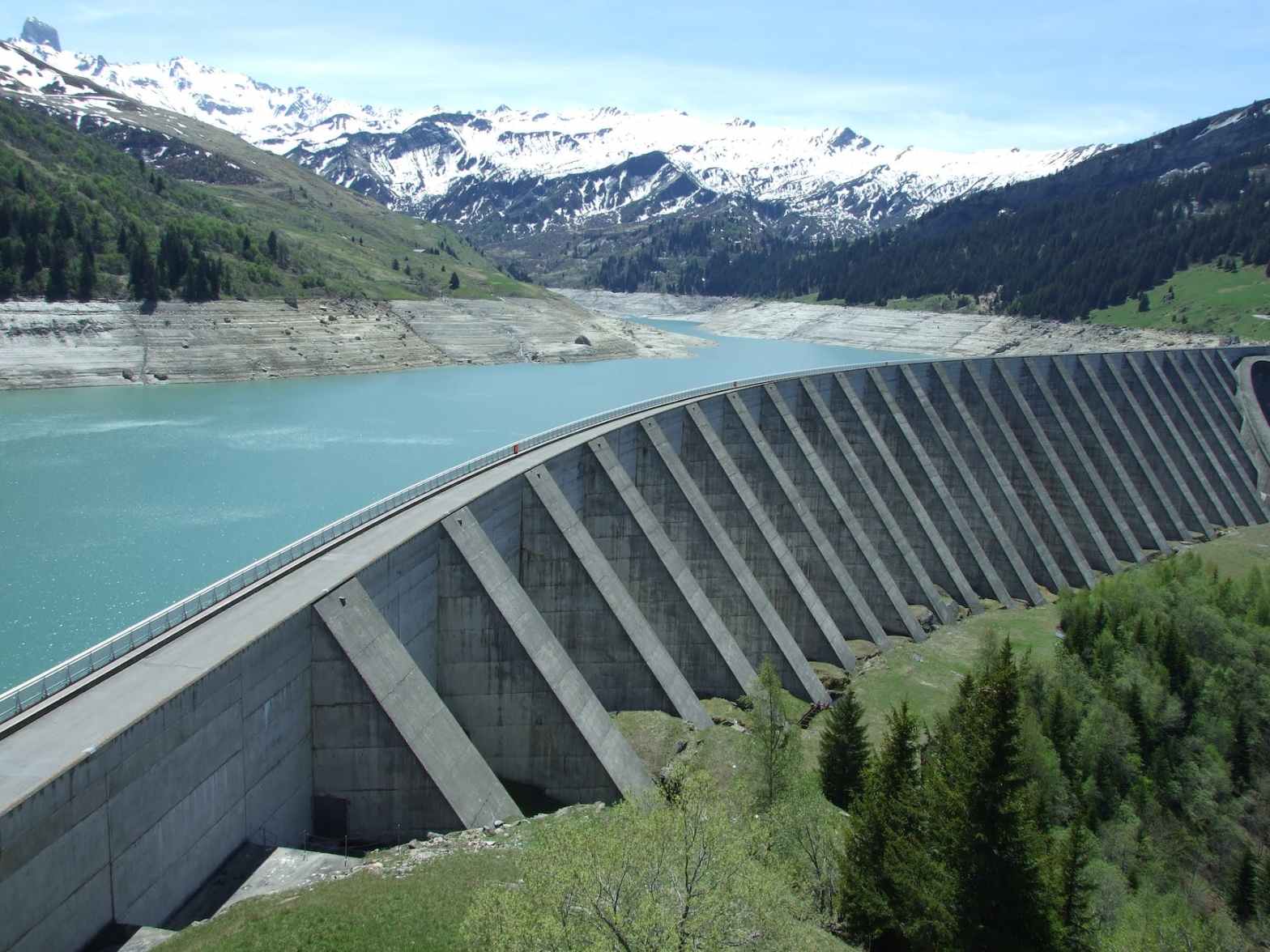
In the heart of the United States, a silent battle against land dispossession has been raging for generations. For Indigenous peoples, the construction of dams has been a devastating force, submerging vast stretches of tribal land and perpetuating the struggle for cultural preservation, livelihoods, and ecological balance.

Recent research has unraveled a haunting truth: dam constructions have flooded over 1.13 million acres of tribal land in the U.S., an area larger than the state of Rhode Island.

This alarming revelation calls for urgent attention to the profound consequences of these projects, encompassing the destruction of ecosystems, cultural heritage, and Indigenous ways of life.

The sprawling reservoirs formed by dam constructions have brought about immense ecological consequences. The inundation of tribal lands has disrupted delicate ecosystems that were once home to diverse plant and animal species.

The loss of naturally occurring flora and fauna endangers the delicate balance of these ecosystems, undermining their resilience and causing cascading impacts on surrounding regions.

Furthermore, the destruction of crucial riparian habitats and wetlands deprives numerous migratory and endemic species of their natural breeding grounds, threatening their very existence.

Beyond the environmental toll, the submergence of tribal lands translates into a tragic erasure of Indigenous cultural heritage. These lands are woven with stories, spirituality, and sacred sites that hold immeasurable significance for Indigenous communities.

As dams rise, ancestral lands, burial sites, and artifacts of cultural importance are condemned to remain below the water’s surface, detached from the communities that cherish them.

The loss of tangible and intangible cultural heritage leaves a profound void, obstructing the passing down of traditions, and hampering the cultural continuity that defines Indigenous societies.

The displacement caused by dam constructions also gravely affects the livelihoods of Indigenous peoples. These communities have traditionally relied on the land for sustenance, economic opportunities, and self-sufficiency.

The rapid flooding of tribal territories disrupts fishing and hunting practices, diminishing access to vital food sources. Furthermore, traditional agricultural practices are compromised, leading to a loss of agricultural diversity and sustainable land management practices that Indigenous societies have honed over centuries.

These socio-economic repercussions perpetuate the marginalization and displacement of Indigenous communities, exacerbating existing inequalities and hindering their path towards self-determination.

Addressing the pressing issue of dam-induced land dispossession is a collective responsibility that demands immediate action.

A comprehensive approach is required, encompassing the recognition of Indigenous rights to land and natural resources, inclusive decision-making processes, and the incorporation of traditional ecological knowledge in dam construction and management plans.

Furthermore, proactive measures to restore and preserve areas impacted by dam constructions are essential for reclaiming vital habitats and cultural heritage.

The submerged tribal lands in the United States form a grim testament to the historic and ongoing struggle against land dispossession faced by Indigenous peoples.

The stillness of the reservoirs echoes the silenced voices of generations, urging us to confront the alarming destruction of ecosystems, cultural heritage, and livelihoods caused by dam constructions.

Edited by Zeng Han-Jun
Written by Juliana Rodriguez

The Risks and Limitations of Artificially Influencing the West Antarctic Ice Sheet

In the face of escalating climate change concerns, scientists have been exploring various methods of geoengineering to mitigate the adverse effects on our planet. One intriguing approach is to artificially influence and cool the climate, potentially preventing the catastrophic melting of the West Antarctic ice sheet.

We touch on the recent findings of researchers who investigated the feasibility of ‘dimming the sun’ as a means of halting ice sheet melt. However, it becomes clear that such artificial intervention alone is insufficient and fraught with substantial risks, highlighting the urgent need for decarbonization efforts.

The concept of ‘dimming the sun’ involves using techniques to reduce the amount of sunlight reaching the Earth’s surface. The idea is to counterbalance the warming caused by greenhouse gas emissions and subsequently slow down or halt the melting of ice sheets.

Researchers have explored the potential use of aerosols or other reflective materials in the atmosphere to achieve this desired cooling effect.

Leading scientists have conducted extensive research to evaluate the effectiveness of ‘dimming the sun’ solely as a means of preventing the melting of the West Antarctic ice sheet. Unfortunately, the findings indicate that this method is impractical as a standalone solution.

Artificial intervention cannot succeed without simultaneously addressing the root cause of climate change – excessive carbon emissions.

The research unequivocally indicates that reducing carbon emissions remains the most essential strategy for combatting global warming and protecting the West Antarctic ice sheet. Artificial climate manipulation may offer temporary relief, but its effectiveness is limited and comes with significant risks.

Carbon dioxide emissions, primarily generated from the burning of fossil fuels, are the fundamental drivers of climate change. Without tackling this underlying issue, any geoengineering attempts will only provide partial and temporary mitigation.

Further investigation has revealed that artificially influencing the climate can lead to unintended consequences and potentially exacerbate the very problems it aims to solve.

Scientists have warned of possible disruption to rain patterns, increased extreme weather events, and ecological imbalances that could result from manipulating natural systems. The uncertainties and possible long-term repercussions of such interventions pose significant ethical, environmental, and legal concerns.

Considering the complex challenges and associated risks of altering the environment artificially, it is crucial that we prioritize concerted efforts towards decarbonization.

Global cooperation, commitment to renewable energy sources, and ambitious mitigation strategies are needed to achieve meaningful and lasting solutions.

While the concept of artificially influencing the climate through techniques like ‘dimming the sun’ is scientifically fascinating, it is essential to recognize its limitations and risks. The results of recent research affirm that decarbonization must be the cornerstone of our climate change response.

By swiftly reducing greenhouse gas emissions, we can have a tangible and sustainable impact in protecting the West Antarctic ice sheet and mitigating the wider consequences of global warming.

Edited by Zeng Han-Jun
Written by Juliana Rodriguez

The Impact of Solar Farms on Bat Activity

In recent years, solar farms have gained popularity as a sustainable and renewable energy source. As we strive to reduce our carbon footprint and combat climate change, it becomes imperative to understand the broader consequences of such installations. Surprisingly, recent research has shed light on the impact of solar farms on the activity level of bats, demonstrating a significant reduction in their behavior.

With an ecological lens, researchers meticulously examined the activity level of six bat species within solar farm sites. The findings uncovered a notable decrease in their activity, suggesting a potential disruption to their natural behavior patterns.

Considering bats’ vital ecological role as pollinators and pest controllers, these findings raise intriguing questions regarding the broader implications of solar farms on local ecosystems.

Undoubtedly, comprehending the factors that contribute to the diminished bat activity is crucial to gaining insights into mitigating their impact. One key element revolves around the landscape alterations that accompany solar farm installations.

The conversion of natural habitats into artificial landscapes might disrupt the bats’ foraging preferences or hinder their natural roosting spots, leading to the observed reduction in activity.

Additionally, the characteristic noise emitted by solar farm infrastructures, such as inverters and fans, might act as a deterrent for bats, impacting their navigation and overall activity levels.

These auditory disturbances potentially disrupt the bats’ hunting and communication strategies, further reinforcing the observed decline in bat activity.

As custodians of the environment, it is essential to assess the implications of renewable energy sources on wildlife conservation. This discovery highlights the need for careful planning and design considerations during the development of solar farms.

Incorporating nature-friendly design features, such as planting native vegetation and preserving key elements of bat habitats, may provide a viable solution to mitigate the impact on bat species’ activity levels.

Collaborative efforts between ecologists and renewable energy experts can help strike a balance between sustainable energy generation and wildlife preservation.

Undoubtedly, solar farms play an integral role in the global transition towards a clean and sustainable future. However, their potential impacts on the local ecosystem cannot be ignored.

By proactively addressing and minimizing these impacts, we can pave the way for a harmonious coexistence between renewable energy generation and biodiversity preservation.

The unexpected discovery of reduced bat activity at solar farm sites serves as a clarion call for further research and proactive measures to ensure the compatibility of renewable energy development with wildlife conservation.

Edited by Zeng Han-Jun
Written by Juliana Rodriguez
Design a site like this with WordPress.com
Get started