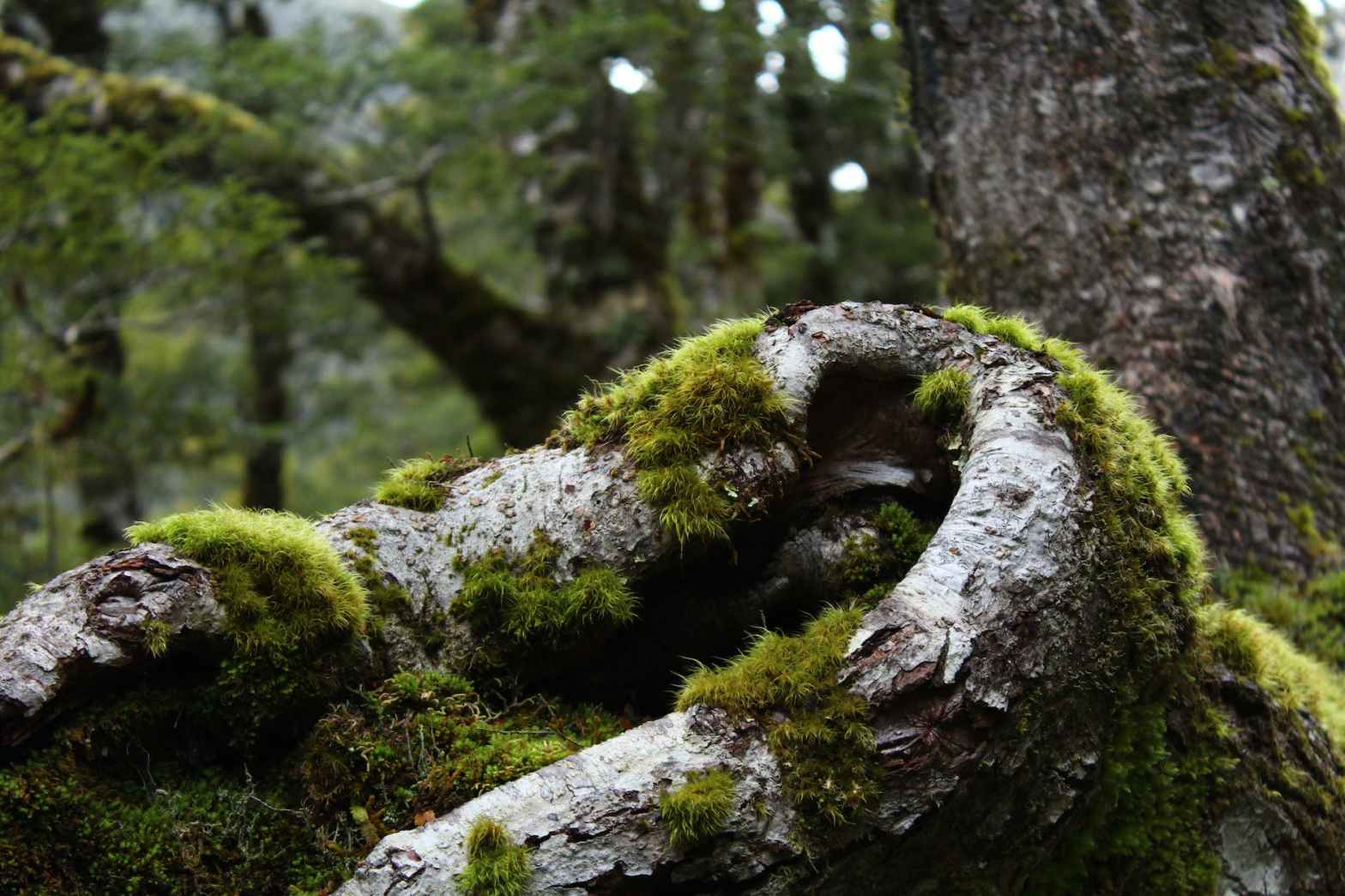
Climate change is an undeniable reality, presenting a grave threat to our planet’s ecosystems and biodiversity. While much attention has been focused on the endangered status of iconic animals, it is equally crucial to direct our attention to the plight of endangered plants and lichens. Recent research reveals that despite their vulnerability to climate change, there is a notable lack of comprehensive plans aimed at addressing this imminent threat.
As such, we need to talk about the urgency of protecting these overlooked species and also explore potential strategies to mitigate the impact of climate change on their survival.
On paper, plants and lichens are already listed as endangered under the Endangered Species Act. Besides that, they exhibit remarkable sensitivity to climate fluctuations. These fragile organisms often inhabit distinct ecological niches and have evolved to survive within specific temperature, moisture, and soil conditions.
However, the escalating effects of climate change, including rising temperatures, altered precipitation patterns, and extreme weather events, pose a direct risk to their survival. In addition to these, we would also like to highlight the following possible threats.
Threats Faced by Endangered Species:
1. Habitat Loss: Climate change destabilizes ecosystems, leading to habitat loss and fragmentation. Many endangered plants and lichens find themselves stranded in shrinking and fragmented habitats, making them more susceptible to extinction.
2. Altered Phenological Patterns: Climate change disrupts phenological patterns, such as flowering and fruiting times, directly impacting the reproductive success of plants and lichens. This disruption cascades through the food web, putting further strain on endangered species and the ecosystems they inhabit.
3. Increased Susceptibility to Disease: Climate change weakens the defense mechanisms of plants and lichens, making them more susceptible to diseases and infestations. This vulnerability can have devastating consequences, with potential ripple effects on entire ecosystems.
The list of threats that we have explored is not exhaustive as we have yet to fully understand our Earth ecosystem and its complicated linkages among the different domains. Despite the clear and pressing risks posed by climate change, there is an alarming lack of comprehensive plans to protect these endangered plant and lichen species.
Conservation efforts have primarily focused on charismatic animals, overshadowing the critical role of these often-overlooked organisms in maintaining healthy ecosystems. It is imperative that we recognize the urgency of their protection and take immediate action. To this, we suggest some potential strategies that our readers could take into consideration.
Potential Strategies to Mitigate the Impact:
1. Strengthen Conservation Efforts: Governments, conservation organizations, and researchers must collaborate closely to develop effective conservation strategies specifically tailored to the needs of endangered plants and lichens. This includes identifying and protecting critical habitats, implementing habitat restoration projects, and facilitating captive breeding programs where applicable.
2. Promote Climate Resilience: Integrating climate change resilience into conservation efforts can help increase the chances of survival for endangered plants and lichens. This may involve identifying and selecting individuals or populations with higher adaptive capacities, implementing assisted migration strategies, and applying novel restoration techniques that account for anticipated climate-related changes.
3. Enhance Public Awareness and Engagement: Raising public awareness about the importance of protecting endangered plants and lichens is crucial for garnering support and fostering a sense of collective responsibility. Education campaigns, citizen science initiatives, and community involvement can contribute significantly to the long-term sustainability of these conservation efforts.
Even though climate change presents a grave threat to our environment. We believe that a targeted approach is useful to addressing to the plight of endangered plants and lichens. Despite their vulnerability to climate change, comprehensive plans must be developed jointly by the people, public and private sector to tackle this imminent threat.
Edited by Zeng Han-Jun
Written by Juliana Rodriguez

 Terra Link Research
Another endangered component that is required for protection against climate change. Thank you 🙏🌍
LikeLike